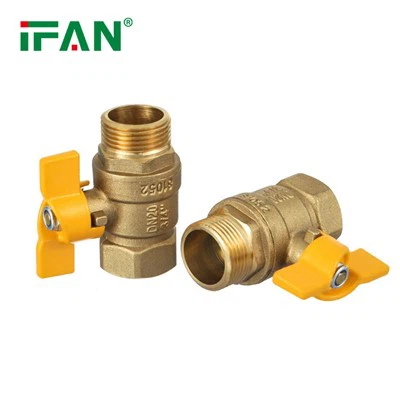


How to Prevent Pipeline Blockages Using Brass Filter Valves
Pipeline blockages are one of the most common and frustrating issues in industrial and commercial fluid handling systems. They can lead to reduced system efficiency, increased maintenance costs, and even catastrophic failures. Brass filter valves are an effective solution for preventing pipeline blockages by filtering out impurities and debris before they can cause damage. In this article, we will explore how brass filter valves work to avoid blockages, the advantages of using them, and how IFAN's Brass Filter Valve compares to Tomex's Brass Filter Valve to highlight the superior qualities of IFAN's product.
Understanding the Role of Brass Filter Valves in Pipeline Systems
Brass filter valves are a key component in maintaining the cleanliness and integrity of pipeline systems. Their primary function is to filter out solid particles and debris from fluids flowing through the pipeline, preventing these contaminants from accumulating and causing blockages in downstream equipment such as pumps, compressors, and valves.
Function of Brass Filter Valves: Brass filter valves are typically installed at key points in a pipeline, such as the inlet to a pump or near sensitive equipment. They work by trapping particles larger than a specified size, allowing the clean fluid to continue flowing through the system. This helps prevent clogs, corrosion, and wear on other components.
Effectiveness in Preventing Blockages: By regularly filtering out contaminants before they enter sensitive areas of the system, brass filter valves help maintain smooth fluid flow, reduce pressure drops, and minimize the risk of expensive downtime due to blocked pipelines.
Both IFAN Brass Filter Valves and Tomex Brass Filter Valves serve this crucial role in pipeline protection. However, the material quality, design, and construction of the valve can make a significant difference in performance.

How Brass Filter Valves Prevent Pipeline Blockages
Brass filter valves are designed to address the specific challenges of pipeline blockages. Here's how they work:
Particle Filtration: Brass filter valves are equipped with mesh screens, perforated discs, or other filtering mechanisms that catch unwanted particles, dirt, rust, sand, and other debris. The size of the mesh can vary depending on the system's requirements. A finer mesh will catch smaller particles, but it can also cause higher pressure drops, while a coarser mesh may allow larger particles through but maintain better flow.
Self-Cleaning Feature: Many brass filter valves feature a self-cleaning function, which allows for automatic or manual cleaning of the filter element without having to remove the valve from the pipeline. This feature is particularly useful in systems where regular maintenance is difficult or where debris buildup is continuous. Regular cleaning helps prevent clogging of the filter media, ensuring that the system remains free from blockages.
Minimizing Pressure Loss: A well-designed brass filter valve helps to minimize the pressure loss across the valve, which can otherwise occur if the filter media becomes clogged with debris. If pressure loss becomes significant, it can lead to system inefficiencies and operational costs. A properly maintained filter valve will ensure that the system operates at peak efficiency without unnecessary energy consumption.
The Advantages of IFAN Brass Filter Valves
IFAN Brass Filter Valves stand out in the market for their superior construction and long-lasting performance. Here are some of the key benefits that make IFAN's brass filter valves an excellent choice for preventing pipeline blockages:
High-Quality Material: IFAN uses high-grade brass in the manufacture of their filter valves, ensuring resistance to corrosion and wear, even in harsh fluid handling environments. This quality material significantly increases the lifespan of the valve and reduces the likelihood of blockages caused by valve degradation over time.
Precision Engineering: IFAN valves are known for their precise design and construction, which means they offer more reliable filtration. The mesh screens or filtration mechanisms in IFAN valves are engineered to provide consistent, effective filtering, reducing the risk of clogging and ensuring smooth fluid flow.
Efficient Flow and Reduced Pressure Drop: One of the standout features of IFAN brass filter valves is their ability to provide efficient flow while minimizing pressure drop across the valve. Their finely-tuned internal design and quality manufacturing ensure that the valves capture debris without causing unnecessary resistance to the flow of fluids.
Self-Cleaning Function: Many IFAN brass filter valves come with a built-in self-cleaning mechanism, reducing the need for manual maintenance. This feature ensures continuous filtration performance, even in systems that carry high levels of debris or in environments where maintenance intervals are long.
When compared to Tomex Brass Filter Valves, IFAN's superior material quality, engineering, and advanced features like self-cleaning make it the better choice for long-term, reliable performance.
Challenges with Tomex Brass Filter Valves and How IFAN Addresses Them
While Tomex Brass Filter Valves are a popular choice in the market, they do have certain limitations when it comes to preventing pipeline blockages:
Material Durability: While Tomex uses brass in their filter valves, the quality of the brass is often not as high as that of IFAN valves. Lower-quality brass may lead to corrosion or wear more quickly in certain harsh environments, especially in high-pressure or chemically aggressive applications. Over time, this can affect the valve's ability to filter effectively, leading to potential blockages and reduced system performance.
Mesh Design and Efficiency: Tomex valves may not always have as fine a filtration capability as IFAN valves. Some users report that Tomex valves tend to allow slightly larger particles through, which can accumulate and cause blockages in sensitive parts of the pipeline. Additionally, Tomex valves may not have as advanced self-cleaning features, requiring more frequent maintenance to ensure optimal performance.
Pressure Drop: Users of Tomex brass filter valves may experience higher pressure drops over time, especially if the filter media becomes clogged with debris. While Tomex valves are functional, they do not provide the same level of resistance to pressure loss as IFAN valves, which can lead to decreased system efficiency and higher energy consumption.
In contrast, IFAN Brass Filter Valves overcome these challenges by using superior materials, offering better filtration efficiency, and featuring self-cleaning functions that extend their longevity and reduce the need for frequent maintenance.

Maintaining Brass Filter Valves for Optimal Performance
To ensure that brass filter valves continue to prevent blockages effectively, regular maintenance is essential. Here are a few key maintenance tips:
Regular Cleaning: Even with self-cleaning valves, it's important to periodically check and clean the valve to remove any buildup of debris. IFAN's self-cleaning mechanism ensures ease of maintenance, while Tomex valves may require more manual intervention.
Inspect the Filter Element: Periodically inspect the mesh or filter element for signs of wear, corrosion, or clogging. If the element is damaged, replace it to ensure continued effective filtration.
Monitor Flow Pressure: Keep an eye on the flow pressure to identify any signs of excessive pressure drop, which could indicate clogging or valve failure. If the pressure drop becomes too significant, it may be time to clean or replace the filter media.
Use Proper Fluids: Ensure that the fluids being filtered are compatible with the material of the valve. Using fluids that are too aggressive can degrade the valve over time, leading to blockages and performance issues.
By following these maintenance steps, operators can ensure that both IFAN and Tomex brass filter valves perform optimally. However, the superior design and material quality of IFAN valves make them more forgiving and durable, requiring less frequent maintenance and offering more reliable long-term performance.
Conclusion: The Benefits of IFAN Brass Filter Valves in Preventing Pipeline Blockages
In conclusion, brass filter valves are essential components in preventing pipeline blockages by efficiently removing debris and contaminants from flowing fluids. While both IFAN and Tomex offer brass filter valves, IFAN's higher quality materials, superior engineering, and advanced features such as self-cleaning capabilities provide significant advantages over Tomex valves. These features ensure that IFAN brass filter valves offer better filtration performance, longer lifespan, and reduced maintenance, making them the ideal choice for preventing blockages and ensuring the smooth operation of pipeline systems.
Contact IFAN
Phone:+86 15088288323