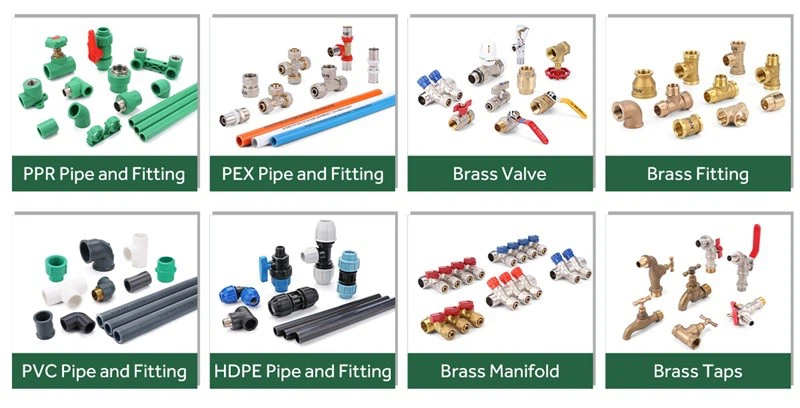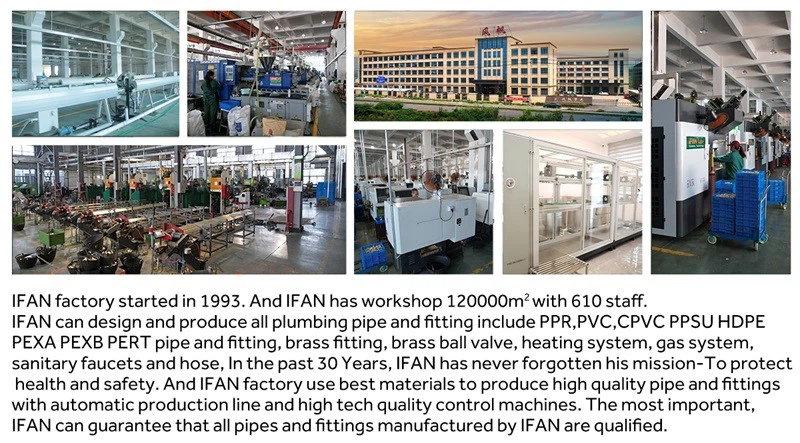


Choosing between brass gate valves and PPR (Polypropylene Random Copolymer) gate valves depends on the specific requirements of your plumbing system, including factors like application, budget, and environmental conditions. Below is a detailed comparison to help you decide which is better for your needs.
1. Material Properties
Brass Gate Valves:
Material: Made from brass, an alloy of copper and zinc.
Durability: Highly durable and resistant to corrosion, especially in water systems.
Temperature Resistance: Can handle high temperatures (up to 200°C/392°F for short periods).
Pressure Resistance: Suitable for high-pressure systems.
PPR Gate Valves:
Material: Made from PPR, a thermoplastic polymer.
Durability: Resistant to chemical corrosion and scaling but less durable under mechanical stress.
Temperature Resistance: Suitable for temperatures up to 95°C/203°F (short-term) and 70°C/158°F (long-term).
Pressure Resistance: Suitable for medium-pressure systems.
2. Installation
Brass Gate Valves:
Connection Methods: Threaded, compression, or soldered connections.
Ease of Installation: Requires tools like wrenches or soldering equipment.
Flexibility: Can be used with various pipe materials (e.g., copper, PEX, PVC).
PPR Gate Valves:
Connection Methods: Heat fusion welding (socket or butt fusion).
Ease of Installation: Requires a fusion welding machine, which may need specialized training.
Flexibility: Primarily used with PPR pipes.
3. Applications
Brass Gate Valves:
Residential Plumbing: Ideal for water supply lines, gas lines, and heating systems.
Industrial Use: Suitable for high-pressure and high-temperature applications.
Versatility: Can be used in both hot and cold water systems.
PPR Gate Valves: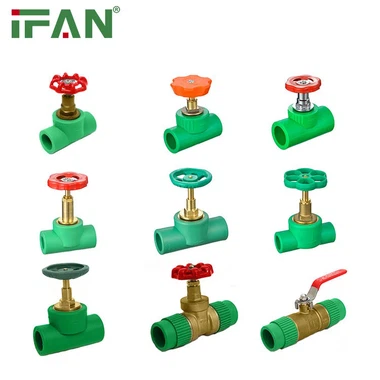
Residential Plumbing: Commonly used in cold and hot water systems.
Industrial Use: Suitable for chemical transport and low to medium-pressure systems.
Limitations: Not recommended for high-temperature or high-pressure applications.
4. Cost
Brass Gate Valves:
Initial Cost: Higher due to the material and manufacturing process.
Long-Term Cost: Durable and long-lasting, reducing maintenance and replacement costs.
PPR Gate Valves:
Initial Cost: Lower than brass valves.
Long-Term Cost: May require replacement sooner in high-stress environments.
5. Maintenance
Brass Gate Valves:
Maintenance: Minimal maintenance required; resistant to corrosion and scaling.
Lifespan: Long lifespan, often decades, with proper care.
PPR Gate Valves:
Maintenance: Low maintenance but may degrade under UV exposure or mechanical stress.
Lifespan: Shorter lifespan compared to brass, especially in harsh conditions.
6. Environmental Impact
Brass Gate Valves:
Recyclability: Brass is recyclable, but its production has a higher environmental impact due to mining and processing.
PPR Gate Valves:
Recyclability: PPR is recyclable and has a lower environmental impact during production.
7. Performance in Specific Conditions
Brass Gate Valves:
High Pressure: Excellent performance in high-pressure systems.
High Temperature: Suitable for high-temperature applications.
Chemical Resistance: Resistant to most chemicals but may corrode in highly acidic or alkaline environments.
PPR Gate Valves:
High Pressure: Suitable for medium-pressure systems.
High Temperature: Limited to lower temperatures compared to brass.
Chemical Resistance: Highly resistant to chemicals, acids, and alkalis.
Comparison Table
| Feature | Brass Gate Valves | PPR Gate Valves |
|---|---|---|
| Material | Brass (copper-zinc alloy) | PPR (thermoplastic polymer) |
| Durability | Highly durable | Durable but less robust |
| Temperature Resistance | Up to 200°C (short-term) | Up to 95°C (short-term) |
| Pressure Resistance | High-pressure systems | Medium-pressure systems |
| Installation | Threaded, compression, soldered | Heat fusion welding |
| Cost | Higher initial cost | Lower initial cost |
| Maintenance | Minimal | Low |
| Lifespan | Decades | Shorter than brass |
| Chemical Resistance | Good | Excellent |
| Environmental Impact | Higher due to mining | Lower |


Which is Better?
Choose Brass Gate Valves if:
You need a valve for high-pressure or high-temperature systems.
Your application requires long-term durability and versatility.
You are working with multiple pipe materials (e.g., copper, PEX, PVC).
Choose PPR Gate Valves if:
You are working with a PPR piping system.
Your application involves chemical transport or low to medium-pressure systems.
You prefer a lower initial cost and easier installation in PPR systems.
Conclusion
Both brass and PPR gate valves have their unique advantages and are suited for different applications. Brass valves are ideal for high-pressure, high-temperature, and versatile systems, while PPR valves are better suited for chemical resistance and cost-effective PPR piping systems. Consider your specific needs, budget, and system requirements to make the best choice
Contact IFAN
Phone:+86 15088288323
Email:Sales24-Ifan@Ifangroup.Com