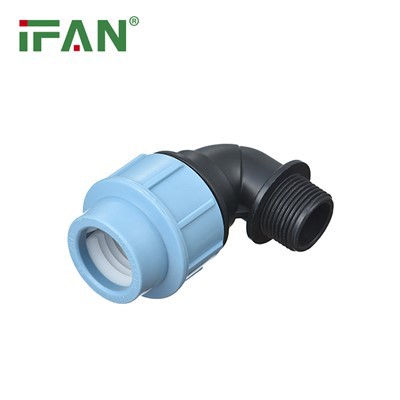


Application of HDPE Pipes in Infrastructure at Polar Research Stations
Introduction to HDPE Pipes in Polar Regions
High-density polyethylene (HDPE) pipes are widely used in modern engineering. Their durability, flexibility, and corrosion resistance make them ideal for extreme environments. Polar research stations, often located in Antarctica or the Arctic, demand infrastructure that withstands harsh cold, shifting ground, and logistical challenges. HDPE pipe systems are increasingly favored in these remote facilities for critical services like water supply, wastewater, and fuel handling.
Environmental Challenges in Polar Regions
Polar regions are among the harshest environments on Earth. Temperatures often drop below -40°C, and permafrost is widespread. Materials used in construction must handle thermal contraction, brittle fractures, and extreme UV exposure. HDPE pipes maintain mechanical integrity at low temperatures and resist UV degradation when treated with stabilizers, making them well-suited for these conditions.
Advantages of HDPE Pipe in Cold Climates
HDPE pipe exhibits unique benefits under extreme cold. Unlike metal pipes, HDPE doesn't become brittle or crack easily. It offers excellent resistance to impact and ground movement, essential in icy and shifting terrains. Its flexibility allows it to adapt to small movements in permafrost, avoiding leaks. These pipes also resist corrosion from chemical exposure, a major concern in fuel lines and waste transport.
Water Supply Systems
In polar stations, potable water is a critical resource. HDPE pipes are used to deliver melted snow or desalinated water to living quarters. Their smooth internal surface prevents biofilm buildup and allows consistent flow even during freezing temperatures. Heat tracing cables are often integrated alongside HDPE water pipelines to prevent internal freezing. The pipes' thermal insulation properties also reduce heat loss in long-distance runs.

Wastewater Management
Efficient wastewater removal is essential in isolated polar bases. HDPE pipes are commonly employed for greywater and blackwater transport to external treatment units or storage tanks. Their chemical resistance makes them ideal for handling detergents and disinfectants. Fusion welding of HDPE ensures a leak-free, long-lasting joint system, minimizing maintenance risks in remote areas where repairs are difficult.
Fuel Transport and Storage Applications
Diesel fuel is widely used for heating and power generation in polar stations. HDPE pipe systems are often used for above-ground fuel delivery lines. The material's chemical resistance and ability to operate at low temperatures make it suitable for transporting fuel without degradation or leakage. Special attention is given to secondary containment and leak detection systems, where HDPE's compatibility with liners and sensors is beneficial.
Installation and Maintenance Considerations
Installing infrastructure in polar regions is costly and logistically complex. HDPE pipe's lightweight and flexible nature simplifies transport and reduces installation time. It can be coiled and shipped in large lengths, minimizing joints. Electrofusion and butt-welding methods allow for quick, reliable onsite connections. The low maintenance requirements of HDPE reduce long-term costs and operational disruptions.

Case Studies and Real-World Applications
Numerous polar research stations have adopted HDPE piping. For example, the British Antarctic Survey's Rothera Station used HDPE for upgrading freshwater and fuel systems. Similarly, China's Taishan Station implemented HDPE piping in both potable water and waste systems due to ease of installation and low maintenance. These real-world examples underscore HDPE's suitability for extreme climates and critical applications.
Conclusion and Future Outlook
HDPE pipe systems have proven to be a resilient, adaptable solution for infrastructure in polar research stations. Their performance in freezing temperatures, resistance to chemicals, and ease of installation make them indispensable for long-term scientific missions. As research stations expand and sustainability becomes a focus, HDPE's recyclability and energy-efficient production offer additional environmental benefits. Future innovations in HDPE formulation and insulation will further enhance its utility in the harshest regions on Earth.
Contact IFAN
Phone:+86 15088288323