



Material Composition and Classification
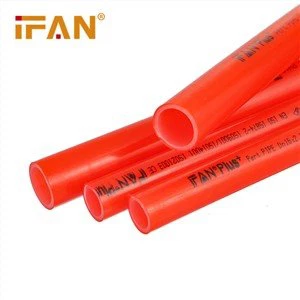
PEX (cross-linked polyethylene) pipes are integral to underfloor heating systems due to their enhanced thermal and mechanical properties. The cross-linking process, achieved through methods like peroxide (PEX-a), silane (PEX-b), or electron beam (PEX-c), alters the polyethylene's molecular structure, improving its resistance to high temperatures and pressures. PEX-a, produced via the peroxide method, is noted for its superior flexibility and uniform cross-linking. These pipes comply with standards such as ISO 15875 and ASTM F876/F877, ensuring consistency in quality and performance. Typical PEX pipes used in underfloor heating have a density ranging from 0.926 to 0.959 g/cm³ and a modulus of elasticity between 600 to 800 MPa, providing the necessary balance between flexibility and strength. ifanindus.com+1solerad.en.made-in-china.com+1rifeng.com
Pipe Dimensions and Thermal Properties
PEX pipes for underfloor heating are available in various sizes, commonly ranging from 12mm to 32mm in diameter. The wall thickness varies according to the pipe series, with common classifications including S5, S4, and S3.2. For instance, a 16mm pipe may have wall thicknesses of 1.8mm (S5), 2.0mm (S4), or 2.2mm (S3.2). These dimensions influence the pipe's pressure rating and thermal conductivity. PEX pipes exhibit a thermal conductivity of approximately 0.40 to 0.42 W/mK and a coefficient of thermal expansion around 0.20 mm/mK, which are critical factors in the design and efficiency of underfloor heating systems. pipesandfittings.net+1rifeng.com+1rifeng.com
Oxygen Barrier Integration
To prevent oxygen diffusion, which can lead to corrosion in metallic components of the heating system, PEX pipes are often equipped with an oxygen barrier layer. This is typically achieved by incorporating an ethylene vinyl alcohol (EVOH) layer or by utilizing a PEX-AL-PEX structure, where an aluminum layer is sandwiched between two PEX layers. The oxygen permeability of such pipes is maintained below 0.1 g/m³/day, adhering to DIN 4726 standards. The aluminum layer not only serves as an oxygen barrier but also provides dimensional stability, reducing thermal expansion and enhancing the pipe's ability to retain its shape during installation. solerad.en.made-in-china.com+1rifeng.com+1维基百科+1The Floor Heating Warehouse+1

Connection Techniques
PEX underfloor heating systems employ various connection methods to ensure secure and leak-free joints. Common techniques include:ifanindus.com
Crimp Fittings: Utilize a metal ring compressed around the pipe and fitting, creating a tight seal.ifanindus.com
Compression Fittings: Employ a compression nut and ring to secure the pipe to the fitting, allowing for easy disassembly.
Press Fittings: Use specialized tools to press the fitting onto the pipe, ensuring a permanent connection.
Each method requires specific tools and adherence to manufacturer guidelines to maintain system integrity and performance.
Thermal and Pressure Performance
PEX pipes are designed to withstand the thermal and pressure demands of underfloor heating systems. They typically operate within a temperature range of 0°C to 70°C, with a maximum instantaneous temperature of 100°C for short durations (up to 10 minutes per day). The maximum working pressure is commonly rated at 10 bar (145 psi). These specifications ensure the pipes can handle the dynamic conditions of heating systems, including temperature fluctuations and pressure variations, without compromising structural integrity. First Trace Heating Directrifeng.com
Standards and Certifications
PEX underfloor heating pipes comply with various international standards and certifications to ensure quality and safety:
ISO 15875: Specifies requirements for cross-linked polyethylene (PE-X) piping systems for hot and cold water installations.rifeng.com
ASTM F876/F877: Covers dimensions, material properties, and performance requirements for PEX tubing and systems.
DIN 4726: Defines the oxygen permeability requirements for plastic pipes used in heating systems.
WRAS Approval: Indicates compliance with UK water regulations, ensuring suitability for potable water applications.
Manifold Integration
Manifolds are essential components in PEX underfloor heating systems, distributing the heated water to various circuits. Typically constructed from materials like 304 stainless steel or brass, manifolds feature multiple ports with nickel-coated brass connections and EPDM sealing rings. They often include flow meters with indication scales ranging from 0.5 to 5 L/min, allowing for precise flow regulation. The Kv value (flow coefficient) is generally around 1.10, facilitating efficient water distribution across the heating zones. The Floor Heating Warehouse+1rifeng.com+1rifeng.com
Installation Considerations
Proper installation of PEX underfloor heating systems involves careful planning of pipe layout, spacing, and securing methods. Pipes are typically spaced at intervals of 200mm, but this can vary based on factors like floor construction, insulation levels, and desired heat output. Securing methods include using clips, rails, or mats to maintain pipe positioning during screeding. It's crucial to avoid sharp bends and ensure that the minimum bending radius is adhered to, preserving the pipe's structural integrity and ensuring optimal heat distribution.The Floor Heating Warehouse

Durability and Lifespan
PEX pipes are known for their durability, often boasting a service life of up to long-term durability according to standards under normal operating conditions. Their resistance to scaling, corrosion, and chemical degradation contributes to this longevity. The incorporation of oxygen barriers further protects the system's metallic components from corrosion, enhancing overall system lifespan. Regular system maintenance and adherence to installation guidelines are essential to maximize the durability of PEX underfloor heating systems.
Environmental and Safety Aspects
PEX pipes are manufactured from non-toxic, recyclable materials, making them an environmentally friendly choice for underfloor heating systems. Their smooth internal surfaces reduce friction losses, improving energy efficiency. Additionally, the flexibility of PEX pipes minimizes the need for fittings and joints, reducing potential leak points and enhancing system safety. Compliance with standards like WRAS ensures that PEX pipes are safe for use in potable water applications, further emphasizing their suitability for residential and commercial installations.
Contact IFAN
Phone:+86 15088288323