

Energy Efficiency Evaluation of Brass Gate Valves in HVAC Systems
Introduction to HVAC Energy Consumption Challenges
Heating, ventilation, and air conditioning (HVAC) systems are major energy consumers in modern buildings.
Efficient operation of these systems is essential for reducing operational costs and carbon emissions.
Among various components, valves play a vital role in regulating flow and maintaining optimal system performance.
Brass gate valves are widely used in HVAC systems due to their durability and reliability.
Evaluating their impact on energy consumption helps optimize system design and operation.
Brass Gate Valves: Basic Structure and Function
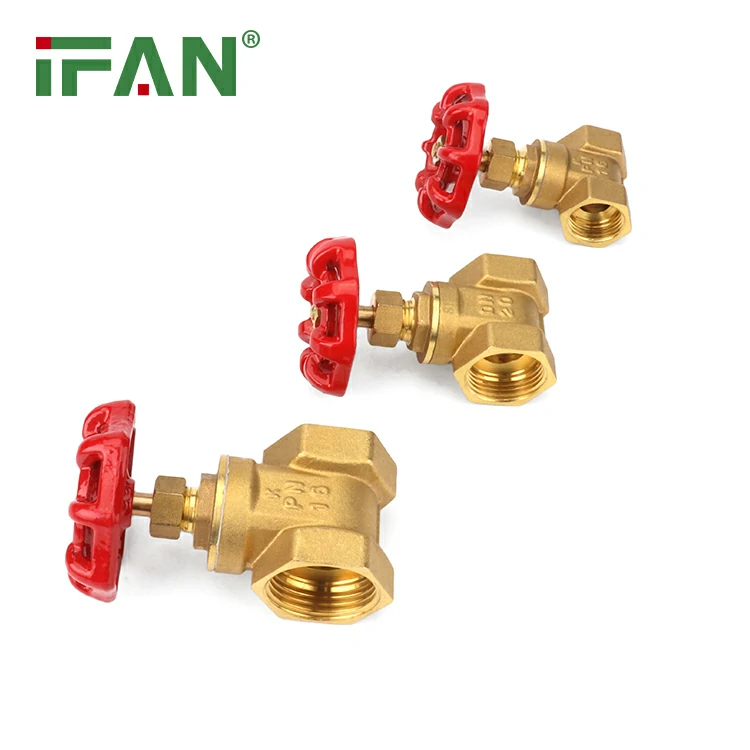
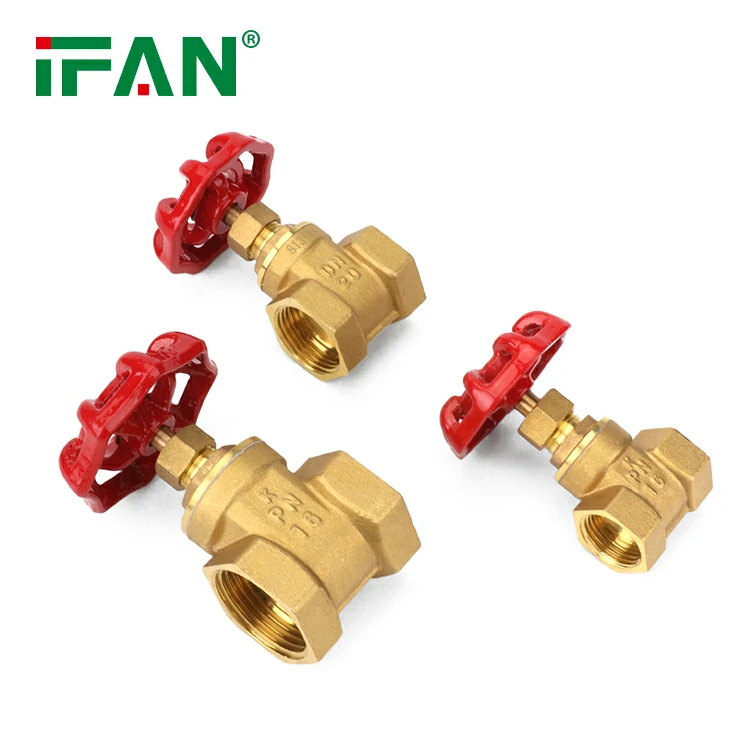
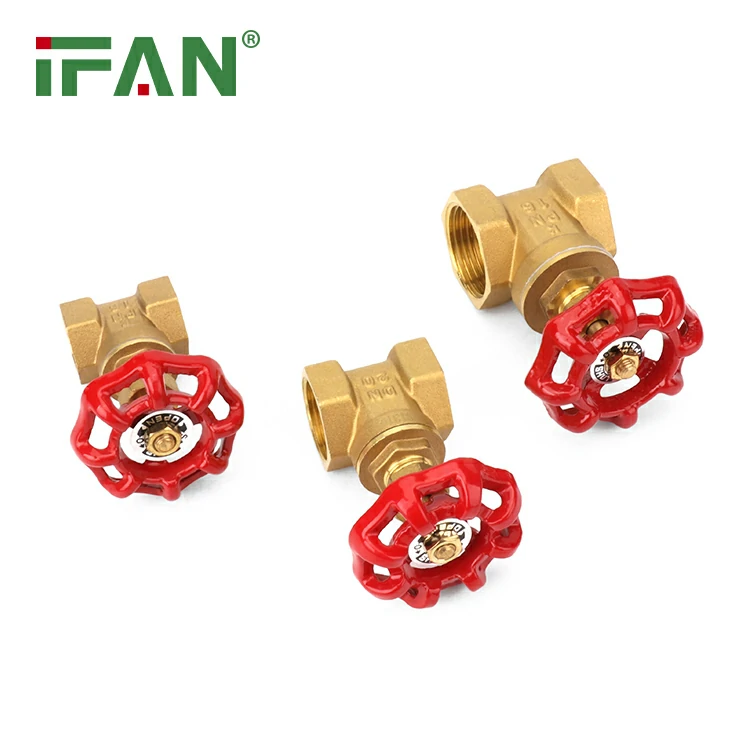
A brass gate valve consists of a brass body, a stem, and a wedge-shaped gate.
It functions by lifting or lowering the gate to start or stop the fluid flow.
When fully open, the valve offers minimal resistance, reducing pressure loss across the system.
Brass is selected for its corrosion resistance, machinability, and long-term stability.
These properties ensure consistent performance, even in systems with varied temperatures and water quality.
Flow Efficiency and Reduced Pressure Drop
Gate valves are known for offering a straight-through, unobstructed flow path when fully open.
In HVAC applications, this feature minimizes turbulence and reduces energy required for pumping.
Compared to butterfly or globe valves, properly selected gate valves reduce system pressure drops.
This translates into lower energy use by pumps and fans, especially in closed-loop hydronic systems.
Simulation data and field tests confirm reduced operational load with brass gate valve integration.

Thermal Conductivity and Material Advantages
Brass has moderate thermal conductivity, which helps it maintain stable surface temperatures.
This reduces unwanted heat transfer between the valve and surrounding fluid or air.
In HVAC systems where thermal insulation is critical, this property supports overall energy efficiency.
Additionally, brass resists thermal deformation, maintaining seal integrity and minimizing leakage.
The metal's performance under both heating and cooling cycles contributes to long-term energy savings.
Leakage Prevention and System Integrity
Uncontrolled leakage in HVAC systems leads to pressure imbalances and energy loss.
Brass gate valves, with proper sealing mechanisms, ensure tight shut-off capability.
Soft-seated versions offer additional protection against internal leaks during system idle periods.
By maintaining proper flow control, the valves prevent energy waste due to pump overcompensation.
Leak-free performance is crucial in zoning applications and central plant piping systems.
Compatibility with Automation and Control Systems
Modern HVAC systems often include smart controls and energy optimization algorithms.
Brass gate valves can be integrated with electric or pneumatic actuators for remote operation.
This enables precise flow control based on real-time demand and occupancy.
Smart valve adjustments reduce unnecessary circulation and optimize energy distribution.
Such setups support Building Management Systems (BMS) and LEED-certified energy performance standards.

Life Cycle Assessment and Long-Term Efficiency
Energy efficiency should be considered not just in operation, but across the valve's life cycle.
Brass gate valves offer long service life with minimal maintenance, reducing replacement frequency.
Their resistance to corrosion, scaling, and mechanical wear contributes to reliable energy performance.
Compared to iron or plastic alternatives, brass valves retain hydraulic characteristics longer.
This stability ensures consistent flow regulation and efficiency throughout the system's lifetime.
Case Study: Energy Savings in a Commercial HVAC Retrofit
In a recent retrofit project of a 10-story commercial building, brass gate valves replaced older steel valves.
Flow modeling showed a 20% reduction in pressure drop across main distribution lines.
Pump energy consumption dropped by approximately 8%, contributing to annual savings of 1,200 kWh.
Valve maintenance requirements were also reduced by 40%, enhancing operational reliability.
This case highlights how valve selection can directly impact energy and maintenance budgets.
Conclusion: Strategic Use of Brass Gate Valves
Brass gate valves contribute meaningfully to energy efficiency in HVAC systems.
Their low-resistance flow path, durable sealing, and integration flexibility make them ideal for modern buildings.
From design to operation and maintenance, these valves help reduce energy waste and system strain.
When paired with smart controls and proper insulation, they enhance both environmental and financial performance.
Engineers and facility managers should consider brass gate valves as a critical element in energy-efficient HVAC design.
Contact IFAN
Phone:+86 15088288323