

Wear Resistance Testing of Surface Coatings on Brass Gate Valve Stems"
Introduction to Brass Gate Valve Stem Coatings
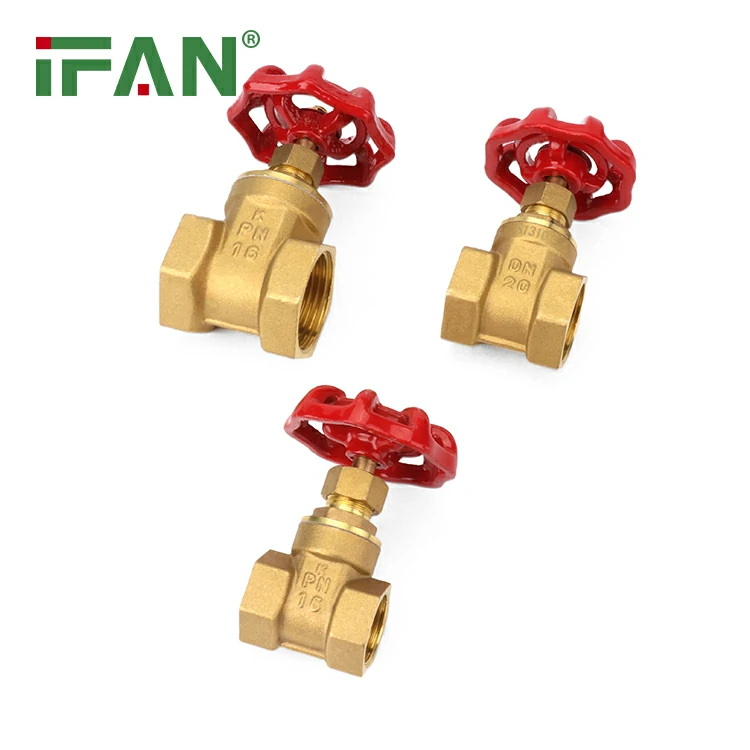
Brass gate valves are widely used in fluid control systems due to their corrosion resistance and durability.
One of the most critical components is the valve stem, which operates the gate mechanism.
The valve stem experiences repeated friction, often under pressure or in harsh environments.
To enhance its lifespan, manufacturers apply surface coatings to improve wear resistance.
This study focuses on evaluating the wear resistance of different surface coatings applied to valve stems.
Purpose and Importance of Wear Resistance Testing
Valve stem failure often occurs due to surface degradation from friction or abrasive media.
Wear resistance testing is essential to assess the performance of protective coatings.
Improved wear resistance extends valve service life and reduces maintenance costs.
For brass gate valves, this testing ensures long-term reliability in industrial and municipal systems.
It also helps manufacturers compare coating technologies for performance optimization.
Common Coating Materials Used in Industry
Various surface coatings are used to enhance valve stem durability.
Common materials include chrome plating, nickel-phosphorus (Ni-P) alloy coatings, and ceramic layers.
Each type has unique properties: chrome offers hardness, while Ni-P improves corrosion resistance.
Advanced coatings like titanium nitride (TiN) or diamond-like carbon (DLC) are gaining popularity.
The choice depends on working conditions such as temperature, pressure, and fluid composition.

Experimental Setup and Sample Preparation
To ensure consistent results, valve stems were prepared to identical surface conditions.
Uncoated and coated samples were polished and cleaned to remove contaminants.
Samples were grouped according to the type of coating applied.
A pin-on-disk tribometer was used for testing wear under controlled loads and sliding speeds.
Test conditions simulated typical gate valve operations, including axial and rotational movement.
Testing Methodology and Parameters
Each sample underwent wear testing under the same duration, temperature, and friction settings.
The contact pressure was maintained at industrial operating standards.
The sliding distance was calculated to reflect 1 year of moderate valve use.
Weight loss, surface roughness, and volume loss were recorded after each test cycle.
Microscopic imaging provided visual analysis of surface damage and coating integrity.
Results and Performance Comparison
Chrome-coated stems showed moderate wear resistance with minimal surface scoring.
Nickel-phosphorus coatings had higher friction but provided better corrosion protection.
TiN coatings demonstrated excellent hardness, with negligible material loss during testing.
Uncoated brass samples suffered significant wear and visible deformation.
Among all, TiN and DLC coatings offered superior results in both wear and surface protection.

Analysis of Surface Damage and Wear Mechanisms
Microscopic inspection revealed various wear patterns, including abrasion, adhesion, and delamination.
Chrome layers experienced micro-cracking at higher loads, which could propagate over time.
Ni-P coatings exhibited minor pitting, often caused by corrosive test media.
TiN-coated samples maintained their smooth surface with minimal groove formation.
Coating adhesion played a key role in resisting peeling and failure under repetitive movement.
Implications for Brass Gate Valve Design
The results suggest a direct link between coating choice and valve longevity.
Using high-performance coatings like TiN or DLC significantly reduces wear-related failures.
This enhances the reliability of gate valves used in HVAC, plumbing, and chemical pipelines.
Although advanced coatings increase manufacturing costs, the long-term benefits outweigh the investment.
Valve designers should consider wear resistance testing as part of their quality assurance process.
Conclusion and Future Research Directions
This study demonstrates that surface coatings greatly improve the wear resistance of valve stems.
Among tested coatings, TiN and DLC showed the best performance under simulated real-world conditions.
Future research could explore hybrid coatings and multilayer technologies for improved results.
Field tests in high-cycle systems would further validate laboratory findings.
Ultimately, the application of suitable coatings extends the life of brass gate valves and reduces downtime.
Contact IFAN
Phone:+86 15088288323
Email:Sales24-Ifan@Ifangroup.Com