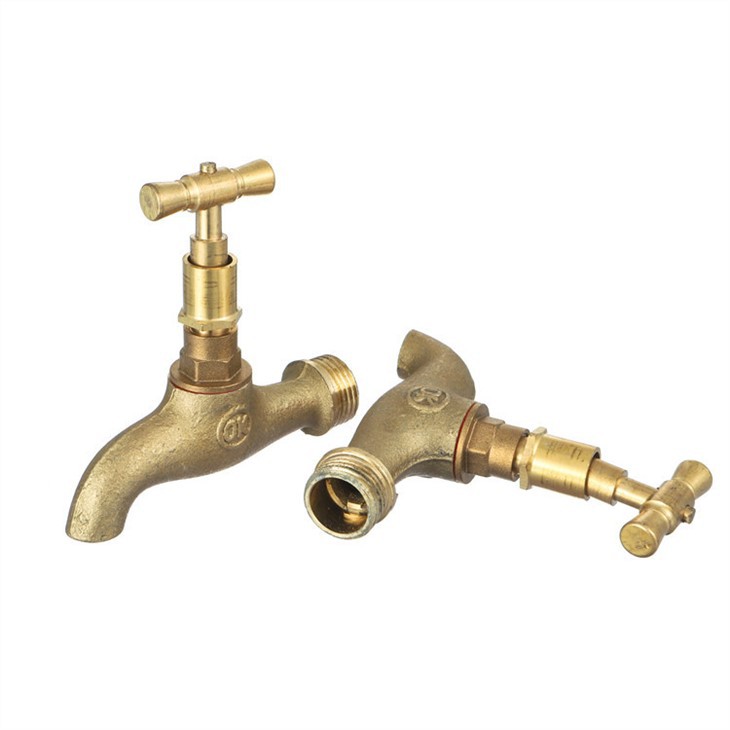


Hygienic Certification Key Points for Brass Faucets in Medical Gas Pipeline Systems
Introduction to Brass Faucets in Medical Environments
Brass faucets play a crucial role in healthcare facilities.
In medical gas pipeline systems, hygiene and safety are paramount.
These faucets may be installed for cleaning, drainage, or auxiliary water use.
Their presence near gas systems requires strict sanitary compliance.
To prevent contamination, every component must meet medical-grade standards.
This includes material composition, manufacturing processes, and surface finishes.
Hygienic certification ensures brass faucets do not compromise patient safety.
Healthcare infrastructure must treat even small fixtures with strict regulatory oversight.
The Role of Hygiene in Medical Gas Systems
Medical gas pipelines carry oxygen, nitrous oxide, and other life-critical gases.
Contaminants near these systems can affect patient care and pose serious risks.
Though brass faucets don't connect to gas lines, they operate in shared environments.
Improper sanitation could result in biofilm buildup or microbial contamination.
In surgeries, intensive care units, or recovery wards, hygiene is non-negotiable.
Even secondary equipment, such as faucets, can become infection vectors.
Therefore, faucets used in these zones must meet specific hygienic guidelines.
Strict separation and high sanitation standards are required during and after installation.
Brass as a Material: Benefits and Risks
Brass is valued for its strength, corrosion resistance, and microbial resistance.
Its copper content naturally reduces bacterial growth on exposed surfaces.
This makes brass suitable for environments with strict cleanliness needs.
However, not all brass alloys are the same or equally safe.
Lead content, zinc leaching, or surface porosity may disqualify some grades.
For medical use, only certified low-lead or lead-free brass should be used.
Hygienic certification often requires chemical composition reports and long-term stability testing.
Proper alloy selection is the first step in hygienic compliance for brass faucets.

Surface Finish and Cleanability Standards
Smooth surfaces are easier to clean and disinfect in medical environments.
Brass faucets must be free from pits, grooves, or casting defects.
Electroplated, polished, or passivated surfaces enhance resistance to contamination.
Certification standards may include Ra (roughness average) values for the surface.
A mirror-like finish minimizes dirt retention and bacterial colonization.
Regulators may require routine surface testing to verify durability and cleanliness.
Faucets intended for gas zones may undergo stricter finish controls than general-use taps.
A well-finished brass faucet supports both hygiene and long-term serviceability.
Requirements for Sealing and Non-Permeability
Gas zones demand fixtures that do not leak, permeate, or corrode.
Seals in brass faucets must resist degradation from disinfectants and chemicals.
O-rings, gaskets, and washers must be made of medical-grade elastomers.
These materials must not release volatile organic compounds (VOCs) or toxins.
Testing for pressure tightness and material compatibility is mandatory.
Backflow prevention designs are also essential to avoid gas or water mixing.
Hygienic certification typically evaluates faucet sealing under varied temperature and humidity conditions.
Only leak-proof and chemically stable faucets can meet high medical standards.
Certification Protocols and Governing Bodies
Medical gas environments are regulated by global and national bodies.
For example, ISO 7396, HTM 02-01 (UK), and NFPA 99 (USA) offer guidance.
Hygienic certification involves laboratory testing and documentation audits.
Brass faucets must be assessed by accredited testing institutes.
Certification may cover microbiological resistance, material composition, and mechanical durability.
A CE mark or NSF/ANSI rating may be required depending on local laws.
Compliance documentation should accompany all brass faucet shipments for traceability.
Ongoing re-certification ensures products remain compliant as standards evolve.
Installation and Maintenance Considerations
Even certified brass faucets can fail if installed incorrectly.
Installers must avoid cross-contamination during plumbing work.
Medical gas and water systems must remain physically separated at all times.
Regular inspection and cleaning protocols should be documented and enforced.
Sterile installation kits and disposable gloves should be used.
After installation, faucets should be flushed and tested before service begins.
Maintenance must include visual inspection, filter cleaning, and replacement of worn seals.
Proper handling ensures long-term compliance with hygienic standards.
Case Study: Brass Faucets in a Surgical Gas Zone
A hospital surgical suite installed certified brass faucets near gas control panels.
The faucets featured anti-bacterial coatings and dual-seal mechanisms.
Routine audits confirmed no microbial growth in faucet outlets for over a year.
Maintenance staff received special training to clean and disinfect the fixtures.
Backup units were tested quarterly to ensure response readiness.
The project showed that certified brass faucets could operate safely in sensitive zones.
Data from this case helped develop broader installation protocols.
It underlined the importance of certification, materials, and scheduled inspection.

Future Trends in Hygienic Faucet Design
New designs focus on touchless brass faucets with automatic shut-off systems.
These reduce hand contact and minimize infection risks.
Innovations include self-sterilizing coatings using silver or copper ions.
Smart monitoring systems can alert staff to contamination or performance issues.
Manufacturers are working on fully recyclable, lead-free brass compositions.
Hygienic certification protocols may soon require digital traceability and AI-based diagnostics.
These changes reflect the evolving complexity of medical infrastructure.
Brass faucet design will continue to balance function, safety, and innovation.
Conclusion
Hygienic certification of brass faucets in medical gas systems is a critical safety requirement.
From material selection to surface finishing and sealing, every detail matters.
Regulatory compliance is not optional-it safeguards patient lives.
By following international standards and best practices, healthcare facilities ensure water and air purity.
Certified brass faucets offer durability, ease of sanitation, and confidence in sterile environments.
They must be chosen, installed, and maintained with utmost care.
With ongoing innovation and regulatory evolution, hygienic brass faucet technology will keep advancing.
Ultimately, these efforts support safer, more efficient healthcare systems worldwide.
Contact IFAN
Phone: +86 15088288323
Email: sales24-ifan@ifangroup.com