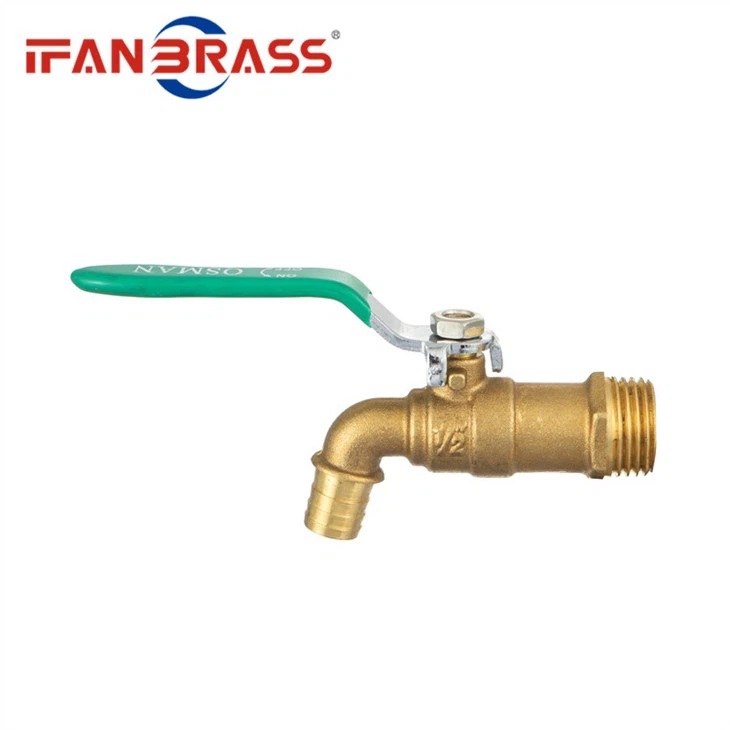


Backflow Prevention Design of Brass Taps in Commercial Catering Systems
Importance of Backflow Prevention in Catering Environments
Backflow in commercial catering systems can lead to serious hygiene hazards.
It occurs when water flows in the reverse direction, potentially contaminating clean supplies.
Brass taps are widely used in kitchens due to their durability and resistance to corrosion.
However, without proper backflow prevention, they can be entry points for contaminants.
Ensuring clean water at all times is critical in environments like restaurants, canteens, and food factories.
This makes integrating reliable anti-backflow mechanisms into brass tap systems essential.
Backflow protection ensures compliance with health regulations and public safety standards.
In commercial kitchens, safety and water quality are non-negotiable priorities.
Overview of Brass Taps in Commercial Use
Brass taps are preferred in catering due to their strength and thermal resistance.
They can withstand frequent use, high temperatures, and aggressive cleaning agents.
Their antimicrobial properties make them suitable for hygiene-critical environments.
Many models are designed with ergonomic levers for fast control.
Their construction supports integration with various water system designs.
But commercial usage exposes brass taps to pressure changes and sudden flow reversals.
Without safeguards, they risk contributing to cross-contamination through back siphonage.
That's why modern designs focus on both durability and flow protection.
Common Backflow Scenarios in Kitchens
There are several ways backflow can occur in a busy kitchen.
A sudden drop in supply pressure may suck dirty water into the system.
For example, a clogged drain hose connected to a rinse sink might backflow.
If brass taps are not properly isolated, contaminated water can enter clean lines.
Dishwashing units or mop sinks often pose such risks if not correctly plumbed.
Inadvertently submerged hoses also present siphoning risks during cleanups.
Brass taps must be equipped with preventive features to stop these risks.
Understanding scenarios is the first step in engineering safer systems.

Built-In Check Valves in Brass Tap Design
Modern brass taps for catering systems often feature built-in check valves.
These valves allow water to flow in only one direction.
When flow stops or reverses, the valve shuts automatically to prevent return.
Check valves are placed within the tap body or at the inlet.
They offer passive protection, requiring no electricity or control systems.
Their integration into brass taps improves space efficiency and installation simplicity.
These devices meet many national and international plumbing safety codes.
Choosing taps with internal backflow protection simplifies compliance and reduces risk.
Use of Vacuum Breakers for High-Risk Points
In some applications, vacuum breakers are added for enhanced protection.
These devices prevent siphonage when a sudden vacuum forms in the system.
Atmospheric vacuum breakers open to the air when pressure drops.
This introduces air instead of allowing water to reverse.
Brass taps in hose bibbs, pre-rinse sprays, or janitorial sinks often use them.
Some brass taps are manufactured with integrated vacuum breaker ports.
They are particularly useful in locations prone to frequent water pressure changes.
Using both check valves and vacuum breakers creates a robust dual-barrier system.
Regulatory Standards and Compliance Requirements
Commercial catering operations must comply with strict plumbing codes.
Standards like EN 1717 in Europe or ASSE 1011/1012 in North America set requirements.
These codes mandate the use of backflow prevention devices at critical points.
Brass taps used in food-service settings must often be certified.
Certification ensures devices have passed rigorous backflow safety testing.
Failure to meet compliance can result in operational shutdowns or fines.
Designing systems with compliant brass taps ensures safety and legal integrity.
Certification labels help buyers identify suitable and approved products easily.

Installation Considerations for Optimal Performance
Correct installation is crucial to ensure anti-backflow devices function properly.
Brass taps must be positioned to allow valves and breakers to work effectively.
Avoid placing outlets below sink rim levels without air gaps or breakers.
Use flexible connectors only with approved double-check protection.
Ensure access for maintenance or periodic inspections of the fittings.
Incorrect installation may compromise even well-designed brass taps.
Contractors should follow manufacturer instructions and local codes strictly.
Proper installation minimizes risk and maximizes long-term performance.
Maintenance and Inspection Best Practices
Routine maintenance is key to keeping backflow prevention systems operational.
Check valves and vacuum breakers may accumulate debris or wear out.
Regular inspections ensure moving parts are free and seals are intact.
Brass taps should be disassembled and checked periodically.
Replace any worn or damaged anti-backflow components immediately.
Document inspections for regulatory audits or safety reviews.
Some systems may require annual testing by certified professionals.
Proactive maintenance keeps catering systems safe, clean, and efficient.
The Future of Smart Backflow Design
Technology is evolving to bring smart features to brass tap systems.
Sensors can detect pressure reversals or contamination risks in real-time.
Wireless modules may alert staff to maintenance needs or unusual flow patterns.
Some brass taps now integrate with building management systems.
These allow remote control, automated shutdowns, or compliance logging.
Such features help large commercial kitchens manage safety proactively.
Smart brass taps reduce human error and enhance operational oversight.
As catering systems grow more complex, smart backflow control will become standard.
Conclusion
Brass taps are essential fixtures in commercial catering systems.
Their reliability and hygiene benefits make them ideal for food-safe environments.
However, backflow prevention must be considered from design through maintenance.
Integrated check valves, vacuum breakers, and smart monitoring can all help.
Meeting compliance standards ensures water safety and protects public health.
With proper design and maintenance, brass taps prevent contamination risks effectively.
They offer both performance and protection when used intelligently.
Brass tap systems with robust backflow defense are vital in modern catering infrastructure.
Contact IFAN
Phone: +86 15088288323
Email: Sales24-Ifan@Ifangroup.Com