



Flow Control and Adjustment Techniques for CPVC Ball Valves
CPVC (Chlorinated Polyvinyl Chloride) ball valves are widely used in various industries for their excellent chemical resistance, durability, and high performance in handling fluids. Among the essential functions of a CPVC ball valve is its ability to control and adjust the flow of liquids or gases within a piping system. Proper flow control and adjustment are vital to ensuring efficiency, safety, and the longevity of the system. This article discusses the various techniques for flow control and adjustment in CPVC ball valves, focusing on the advantages of IFAN and brand valves.
Understanding the Function of CPVC Ball Valves
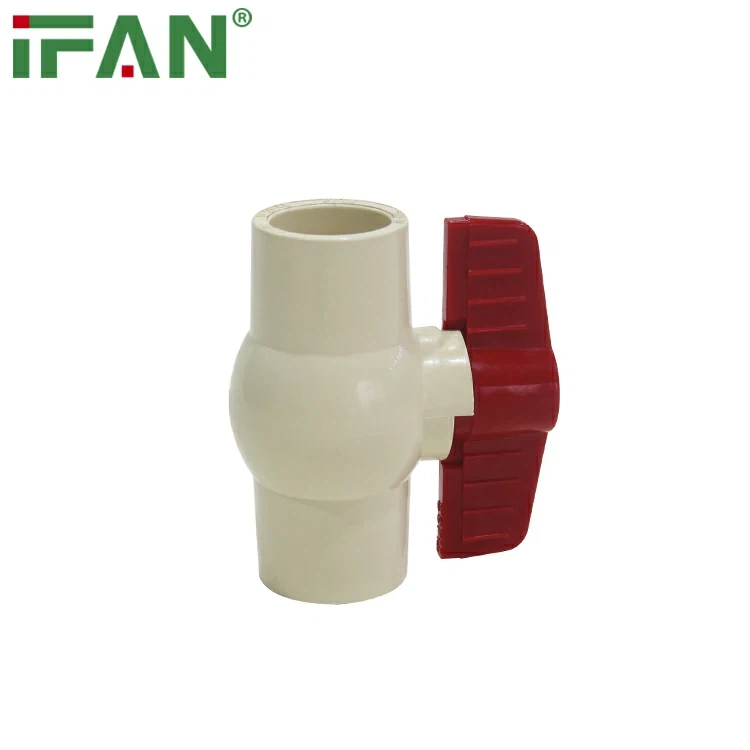
CPVC ball valves feature a spherical ball with a hole through the center, which rotates within the valve body to control the flow of fluid. When the ball valve handle is turned, the hole in the ball aligns with the pipe for full flow (open) or perpendicular to the pipe for no flow (closed). These valves can also be adjusted to partially open, allowing for precise regulation of flow, which is particularly crucial in systems where fluid volumes need to be controlled.
In many industrial applications, CPVC ball valves are used because of their superior resistance to corrosion and chemicals, making them ideal for use in water treatment plants, chemical processing facilities, and pharmaceutical manufacturing. Flow control and adjustment in these settings require precision to ensure processes remain within safe operational parameters, and this is where the design and quality of the ball valve play a critical role.
Flow Control and Adjustment Techniques in CPVC Ball Valves
Flow control with CPVC ball valves is typically achieved by partially opening or closing the valve. This allows for a regulated flow of fluids in applications where precise control is necessary. The main techniques for flow adjustment include:
Manual Control: Traditional ball valves are manually adjusted, where the valve handle is turned to the desired position. The flow rate can be adjusted by gradually turning the handle to fine-tune the flow based on system requirements.
Actuated Control: For more complex systems, CPVC ball valves can be outfitted with pneumatic or electric actuators. These actuators provide automated control of the valve, allowing for precise adjustments based on sensor feedback and control systems. Automated systems are especially useful in large-scale industrial processes where constant flow adjustments are required.
Variable Flow Control: In certain systems, such as those used in chemical plants, flow may need to be adjusted dynamically. A CPVC ball valve with a flow regulating screw or an adjustable orifice can provide a fine-tuned flow rate that remains stable despite changes in pressure or temperature.
By carefully considering these techniques, engineers and technicians can ensure that the flow through CPVC ball valves is optimized for the specific needs of the system, whether for simple on/off control or for complex flow regulation.
IFAN CPVC Ball Valve vs. CPVC Ball Valve: Performance Comparison
When comparing CPVC ball valves from different manufacturers, quality and performance are key factors to consider. Two brands often discussed in the market are IFAN and , both offering high-quality CPVC ball valves for a wide range of industrial applications.
IFAN CPVC Ball Valve: IFAN ball valves are known for their robust design and exceptional durability. The valves are designed with superior sealing technology, which ensures minimal leakage and reliable flow control. IFAN valves are equipped with a precision-engineered ball and stem that allows for smoother operation and easier flow adjustments. This reduces wear and tear on the valve and helps prolong its lifespan.
CPVC Ball Valve: 's CPVC ball valves are also highly durable and resistant to chemical corrosion. However, they are often criticized for their less smooth operating mechanism compared to IFAN valves, which can lead to difficulties in achieving fine flow adjustments. Additionally, the sealing material in valves tends to wear down faster under continuous use, which can result in leakage over time.
The primary advantage of IFAN valves lies in their enhanced flow control capabilities. The valve's handle and internal components are designed for smoother and more precise operation, making them ideal for industries that require exact flow regulation. In comparison, valves, while reliable, may require more frequent adjustments and maintenance due to their slightly less refined design. IFAN CPVC Pipe Fittings are not only compliant with the ASTM2846 series standards but also adhere to a broad range of international standards, including DIN 8079/8080, ASTM F441/F441M SCH80, DIN, GB/T 18993, and AS/NZS 1477. This extensive compatibility ensures that IFAN products meet the highest quality and performance requirements across various global markets, providing reliable solutions for diverse plumbing and piping applications.
Optimizing Flow Control in CPVC Systems with IFAN Ball Valves
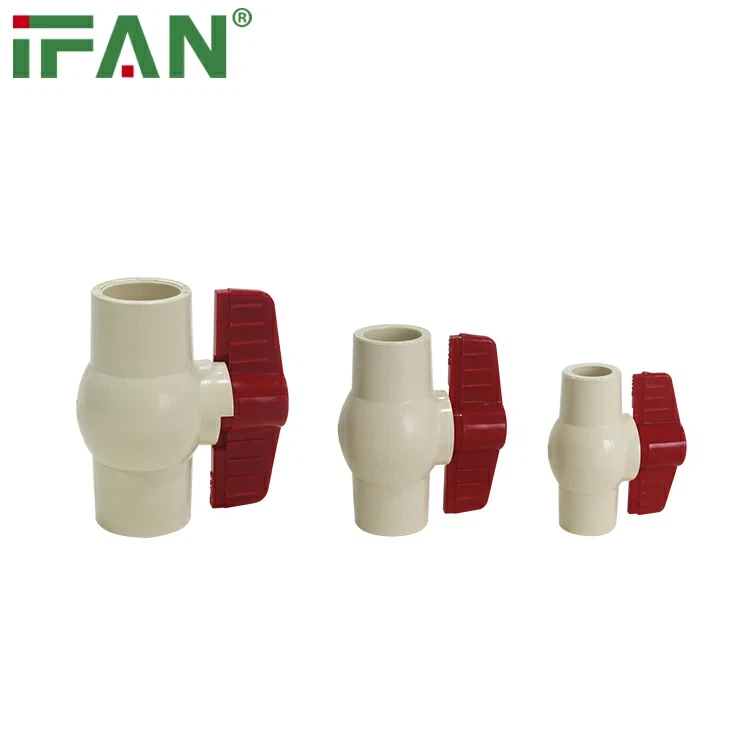
The precision engineering behind IFAN CPVC ball valves makes them particularly well-suited for optimizing flow control in industrial piping systems. The valves are available in various configurations, including those designed for high-flow or low-pressure systems, providing users with versatile options for their specific needs.
IFAN CPVC ball valves are also designed to handle a wide range of temperatures and pressures, ensuring that flow control remains accurate even in extreme conditions. Whether you are dealing with a high-temperature chemical processing system or a low-pressure water system, IFAN's reliable sealing and precision control mechanisms provide consistent and predictable flow regulation.
Furthermore, the installation of an IFAN CPVC ball valve is straightforward, and the ease of use contributes to long-term operational efficiency. Since flow control adjustments can be made quickly and precisely, system operators can minimize downtime and improve overall productivity.
Maintaining and Troubleshooting CPVC Ball Valves for Optimal Performance
Maintaining CPVC ball valves is crucial to ensuring the long-term efficiency of a system, especially when dealing with flow control. Proper maintenance can prevent issues such as leaks, flow inconsistencies, or even valve failure. Here are a few essential maintenance tips:
Regular Inspection: Check for signs of wear on the valve's handle, stem, and seals. For IFAN valves, which are built for smoother operation, regular inspection can help prevent any issues from becoming critical.
Lubrication: Ensure that the valve's moving parts, especially the stem and ball, are lubricated to minimize friction. IFAN valves tend to require less frequent lubrication due to their higher-quality materials and smoother operation.
Cleaning: CPVC ball valves should be kept clean to prevent any buildup of dirt or debris that might interfere with the valve's movement and flow regulation.
By following proper maintenance practices, including those outlined above, operators can ensure that their CPVC ball valves, whether from IFAN or , continue to deliver reliable performance in flow control applications.
Conclusion: The Advantages of IFAN CPVC Ball Valves in Flow Regulation
In conclusion, CPVC ball valves are essential components for precise flow control in various industrial applications. While both IFAN and offer high-quality valves, IFAN's superior design, durability, and ease of flow adjustment make it the preferred choice for those seeking optimal performance and longevity. With IFAN CPVC ball valves, operators can achieve precise flow regulation with minimal effort and maintenance, ensuring that their systems run efficiently and reliably over time.
Contact IFAN
Phone:+86 15088288323


