


Why Choose HDPE Ball Valves Over Traditional Metal Ball Valves?
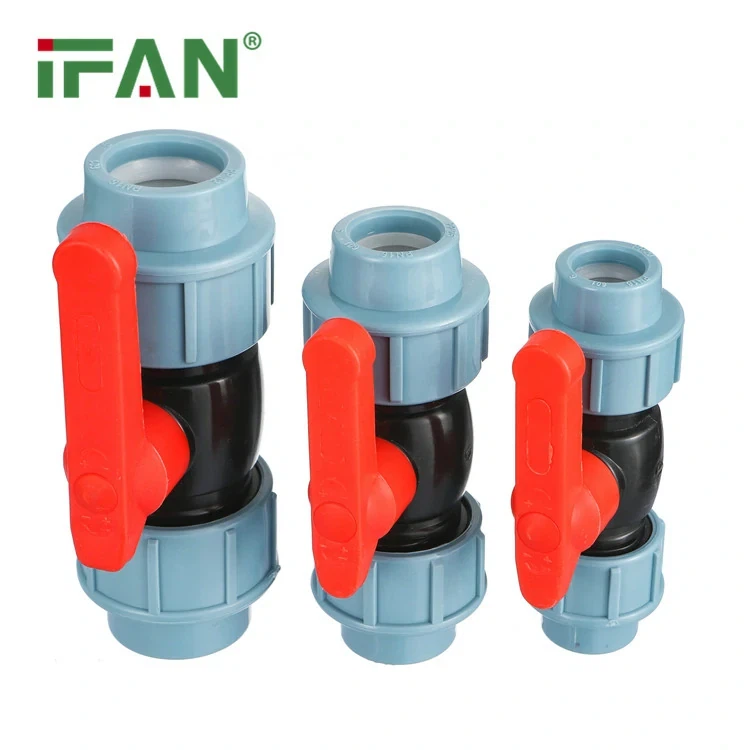
In fluid control systems, choosing the right type of valve is crucial for ensuring long-term performance, efficiency, and cost-effectiveness. HDPE (High-Density Polyethylene) ball valves have gained significant popularity as an alternative to traditional metal ball valves, especially in industries that require resistance to corrosion, reduced weight, and enhanced longevity. In this article, we explore the key reasons why HDPE ball valves are increasingly being preferred over their metal counterparts, with a particular focus on the benefits of IFAN and HDPE ball valves. By comparing these two brands, we will highlight the superior features of IFAN's HDPE ball valves.
1. Corrosion Resistance: A Clear Advantage
One of the primary reasons for choosing HDPE ball valves over traditional metal ball valves is their exceptional resistance to corrosion. Metal valves, particularly those made from carbon steel, stainless steel, or cast iron, are prone to corrosion when exposed to harsh chemicals, acidic or alkaline fluids, and moisture. This not only leads to the deterioration of the valve material but can also cause contamination of the fluid being transported, which is critical in industries like food processing, pharmaceuticals, and water treatment.
HDPE, on the other hand, is highly resistant to a wide range of corrosive substances. It does not rust or corrode, making it ideal for systems where chemicals or salty water are involved. IFAN's HDPE ball valves, in particular, are designed with top-grade polyethylene that provides superior resistance to corrosion, outlasting many metal ball valves in the same environment. , while offering HDPE ball valves, does not consistently use the same high-quality material grade as IFAN, leading to slightly reduced performance in highly corrosive environments. For industries where corrosion is a major concern, IFAN's HDPE ball valves are the clear choice.

2. Lightweight and Easy to Handle
Traditional metal ball valves are often heavy and cumbersome, making installation, transportation, and handling more difficult. In addition to this, the weight of metal valves contributes to higher shipping costs and labor expenses, especially when dealing with large pipelines or requiring frequent replacements. HDPE ball valves, on the other hand, are significantly lighter, making them easier to install, maintain, and replace.
The reduced weight of HDPE ball valves offers a number of practical benefits. First, it reduces labor costs and time during installation, as workers do not need specialized equipment to handle or move the valve. Moreover, because of the lightweight nature of HDPE, shipping costs are also lower, providing overall cost savings. IFAN's HDPE ball valves are particularly well-known for their ease of handling due to their lighter, yet durable construction. 's HDPE ball valves, while lighter than metal alternatives, do not offer the same level of convenience and ease of handling as IFAN, particularly when dealing with large valve sizes.
3. Durability and Long-Term Performance
Durability is another critical factor when choosing between HDPE and metal ball valves. While metal valves may initially perform well, they are subject to wear and tear over time due to corrosion, erosion, and exposure to extreme temperatures. HDPE ball valves, in contrast, are not affected by these issues. The robust properties of HDPE ensure that the valve can withstand harsh environments for extended periods, offering a longer service life.
IFAN's HDPE ball valves are designed with enhanced durability in mind. The company uses advanced HDPE materials that are specifically engineered to resist impact, fatigue, and wear, allowing their valves to perform reliably even in demanding applications. This results in lower maintenance costs and reduced downtime. 's HDPE ball valves, while still durable, may not perform as consistently as IFAN's valves under extreme stress, especially in high-impact or high-pressure conditions. For industries where long-term durability and minimal maintenance are priorities, IFAN's HDPE ball valves offer superior performance.
4. Cost-Effectiveness in the Long Run
While metal ball valves may offer a lower initial purchase price, the overall cost of ownership for metal valves tends to be higher due to the need for regular maintenance, repair, and replacement. Corrosion, leakage, and the degradation of seals are common issues with metal valves, especially when they are exposed to aggressive fluids or extreme environmental conditions. These problems lead to higher operational costs, increased downtime, and more frequent replacements.
HDPE ball valves, however, offer a much more cost-effective solution in the long run. Thanks to their corrosion resistance, lightweight construction, and durability, HDPE valves often require less maintenance and fewer replacements, which translates into lower overall costs over the valve's lifespan. IFAN's HDPE ball valves, in particular, are known for their cost-effectiveness, offering a combination of affordable pricing and excellent performance. By reducing maintenance needs and extending service life, IFAN's valves provide a higher return on investment compared to 's HDPE ball valves, which may require more frequent repairs or replacements in certain applications.

5. Environmental Benefits
In today's environmentally-conscious world, the sustainability of materials used in industrial applications is becoming increasingly important. HDPE, as a recyclable material, offers significant environmental benefits over traditional metals, which require extensive mining and energy-intensive manufacturing processes. The use of HDPE ball valves helps reduce the carbon footprint of industrial processes, particularly in sectors that prioritize green initiatives and sustainability.
IFAN has made a conscious effort to develop HDPE ball valves that not only meet high performance standards but also align with environmental sustainability goals. Their manufacturing processes emphasize the use of recyclable materials, and their products are designed for long-lasting durability, reducing waste and the need for replacements. While also offers HDPE valves that are more eco-friendly than metal alternatives, IFAN's commitment to sustainable production practices and high-quality materials positions it as a leader in environmentally responsible valve solutions. IFAN HDPE Fittings are not only compliant with the ASTM D3035 series standards but also adhere to a broad range of international standards, including ASTM D3350, ISO 4427, EN 12201, DIN 8074/8075, and GB/T 13663. This extensive compatibility ensures that IFAN products meet the highest quality and performance requirements across various global markets, providing reliable solutions for diverse plumbing and piping applications.
Conclusion: Why IFAN HDPE Ball Valves Stand Out
In conclusion, HDPE ball valves offer a range of advantages over traditional metal ball valves, including superior corrosion resistance, lighter weight, longer durability, cost-effectiveness, and environmental sustainability. When comparing IFAN and HDPE ball valves, IFAN's products emerge as the superior choice due to their higher-quality materials, enhanced durability, and better overall performance. IFAN's HDPE ball valves are designed to provide long-term reliability and precision in fluid control systems, making them the ideal choice for industries such as chemical processing, water treatment, and industrial automation.
While offers competitive HDPE ball valves, IFAN's advanced manufacturing techniques, focus on sustainability, and cost-effective performance make it the preferred brand for businesses looking to optimize their operations. By choosing IFAN HDPE ball valves, companies can benefit from reduced maintenance costs, improved efficiency, and enhanced environmental responsibility, making it a wise investment for the future.
Contact IFAN
Phone:+86 15088288323