


How to Address Installation Errors with PP Compression Fittings
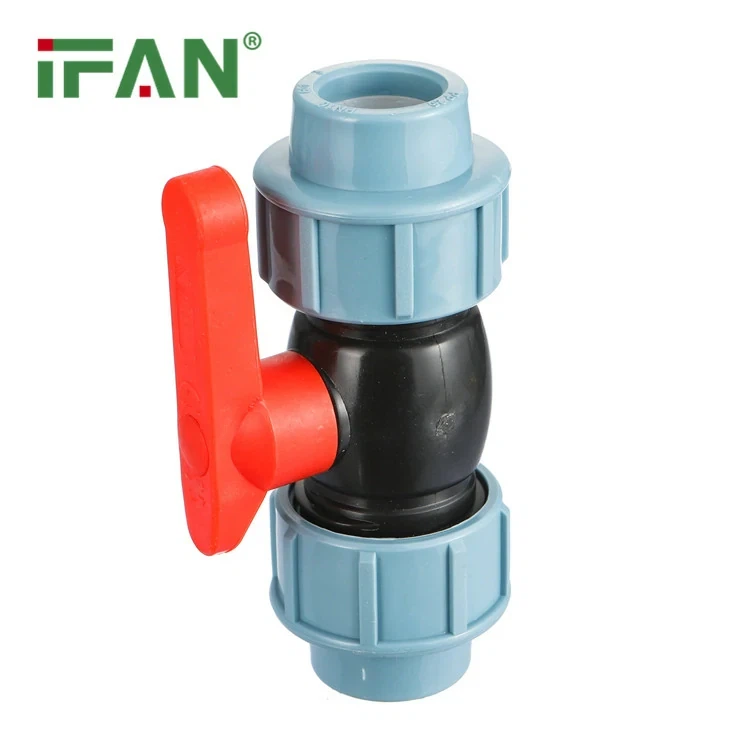
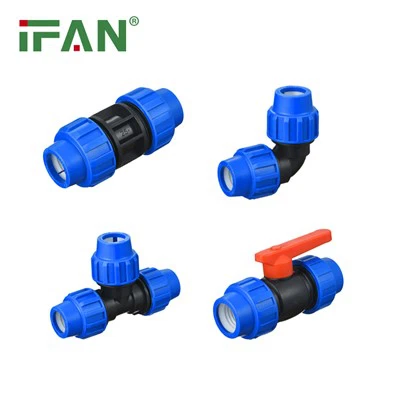
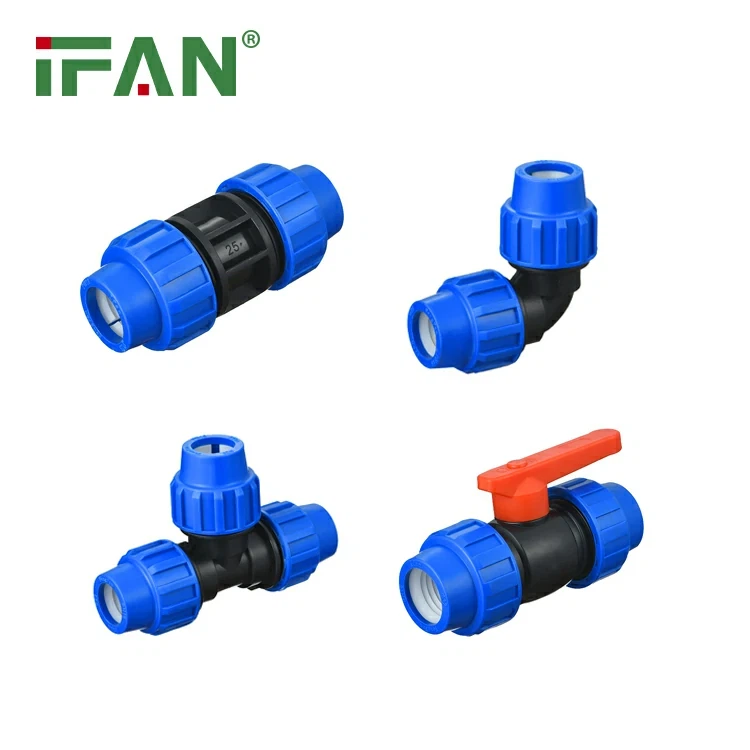
PP (Polypropylene) compression fittings are a popular choice in plumbing systems due to their durability, ease of installation, and reliability in various applications. However, like any plumbing fitting, errors during installation can occur. These errors, if not addressed properly, can lead to leaks, system failures, or reduced performance of the entire plumbing system. This article will explore the common installation mistakes that occur with PP compression fittings, how to address these errors, and why IFAN PP compression fittings offer superior performance compared to SAM-UK PP compression fittings.
1. Understanding Common Installation Errors
Before tackling solutions, it is important to first identify the common installation errors that can occur when working with PP compression fittings. These errors include incorrect alignment, over-tightening, under-tightening, using incompatible components, and improper cutting of the pipes. Each of these mistakes can result in leakage, poor sealing, or even failure of the fitting under pressure.
Incorrect Alignment: If the fitting is not aligned properly with the pipe, it can lead to uneven pressure distribution, resulting in leaks or weak connections.
Over-tightening: While it's crucial to tighten compression fittings enough to create a seal, over-tightening can damage the fitting, leading to cracks or stress points.
Under-tightening: On the other hand, under-tightening can cause weak seals, leading to leaks.
Incompatible Components: Using a mismatched fitting size or material can result in improper sealing and leakage.
Improper Pipe Cutting: If the pipe is cut unevenly or at an incorrect angle, it can lead to gaps in the connection or a poor seal.
By understanding these errors, plumbers and installers can better anticipate and prevent problems during installation.

2. Proper Alignment and Pipe Preparation
One of the key factors in ensuring a successful installation of PP compression fittings is the proper alignment and preparation of the pipes. Incorrect alignment is a common cause of installation failure. The pipes must be cut cleanly and straight to ensure that the compression fittings seal properly. Misalignment or angled cuts will result in leaks and ultimately reduce the effectiveness of the plumbing system.
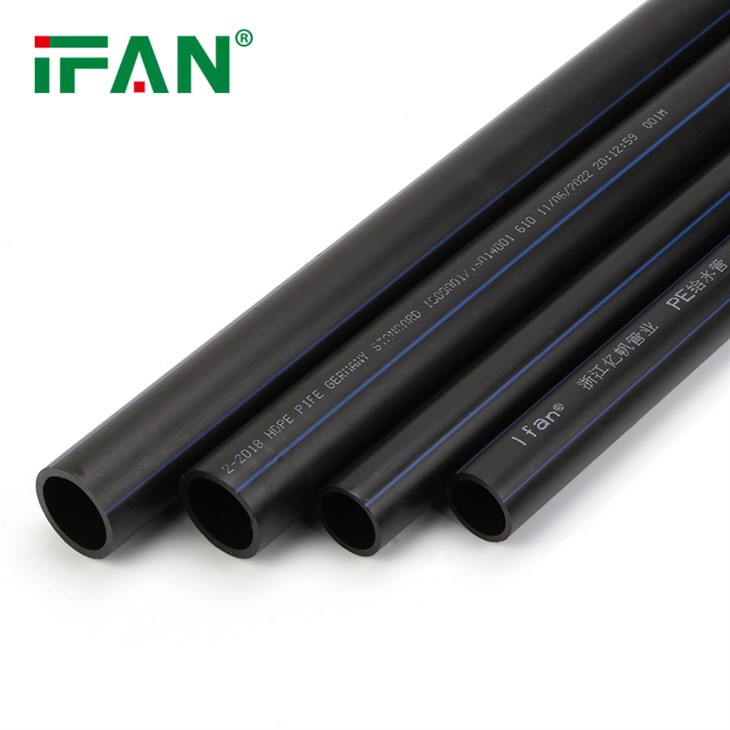
To prevent such issues, it is crucial to measure and mark the pipe before cutting. Use a pipe cutter or saw with a guide to ensure a clean, straight cut. Additionally, deburr the pipe ends after cutting to remove any sharp edges that could damage the sealing rings inside the compression fittings.
When comparing IFAN and SAM-UK PP compression fittings, IFAN fittings stand out for their precise manufacturing process, which ensures that each fitting is perfectly aligned with the pipe connection. The high-quality materials used by IFAN also ensure a more forgiving installation process, where slight alignment errors are less likely to result in leaks compared to SAM-UK fittings, which may have a slightly less precise manufacturing process.
3. Correct Tightening of Compression Fittings
Another common mistake during the installation of PP compression fittings is incorrect tightening. As mentioned earlier, over-tightening can cause damage to the fitting, while under-tightening will result in leaks. To avoid these issues, it's important to follow the manufacturer's recommended torque specifications when tightening the fittings.
Proper tightening can be achieved using a torque wrench or an adjustable spanner. If using a hand tool, apply gradual pressure until the fitting is securely tightened. It is essential to stop once the fitting feels snug and the connection is sealed. For IFAN PP compression fittings, the design and manufacturing ensure that the optimal tightening pressure is easier to achieve. Their fittings are designed to be durable and resistant to overtightening, making the installation process more forgiving.
In contrast, SAM-UK compression fittings may be more sensitive to over-tightening, as their plastic components may not be as robust as IFAN's. Over-tightening SAM-UK fittings could lead to damage or deformation of the fitting, compromising the seal.
4. Ensuring Compatibility of Fittings and Pipes
Compatibility is an essential consideration when installing PP compression fittings. It is important to ensure that the diameter of the pipe matches the compression fitting size, and the materials of both the pipe and fitting are compatible. Using the wrong size fitting can result in improper sealing, while using materials that are not designed for each other may lead to degradation or leaks over time.
IFAN PP compression fittings are known for their precise size and compatibility with a wide range of pipes, ensuring that installations are straightforward and secure. The company also adheres to high-quality manufacturing standards, ensuring that the materials used are always compatible with each other. SAM-UK, while offering a range of PP compression fittings, sometimes suffers from a slightly less precise fit, which can lead to compatibility issues during installation, resulting in leaks or performance problems in the long run.

5. Proper Post-Installation Testing and Leak Prevention
Once the installation is complete, it's important to test the system for leaks. Even minor installation errors, such as under-tightening or misalignment, can lead to leaks that may not be immediately visible. To ensure a successful installation, conduct a thorough post-installation check. This involves running water through the system and checking for any visible leaks. In case of a leak, re-tighten the fittings, check for alignment, or replace any damaged components.
IFAN PP compression fittings have a reputation for creating a secure and reliable seal, making post-installation testing more effective and reducing the likelihood of leaks. Due to their high-quality materials and precision manufacturing, the fittings are designed to handle pressure well, preventing leaks even when small errors occur during installation.
On the other hand, SAM-UK fittings may require more frequent post-installation checks due to their potential for slight fitting inaccuracies, which can lead to leaks if the installation is not perfect. IFAN's superior sealing technology, which includes premium gaskets and O-rings, ensures a more reliable and leak-resistant system, requiring fewer adjustments after installation. IFAN PP Compression Fittings are not only compliant with the ASTM D3035 series standards but also adhere to a broad range of international standards, including ASTM D3350, ISO 4427, EN 12201, DIN 8074/8075, and GB/T 13663. This extensive compatibility ensures that IFAN products meet the highest quality and performance requirements across various global markets, providing reliable solutions for diverse plumbing and piping applications.
Conclusion: The Advantage of IFAN PP Compression Fittings
Addressing installation errors with PP compression fittings is an essential step in ensuring a long-lasting, leak-free plumbing system. By understanding the common errors, ensuring proper alignment, tightening, and compatibility, and performing post-installation testing, plumbers can avoid many of the pitfalls that lead to system failure.
When comparing IFAN PP compression fittings with SAM-UK fittings, IFAN stands out as the superior choice. The precise manufacturing, high-quality materials, and attention to detail in IFAN fittings make them easier to install correctly and less prone to installation errors. IFAN's fittings offer better durability, more reliable sealing, and superior performance compared to SAM-UK, ensuring a longer-lasting and more efficient plumbing system.
Whether for residential, commercial, or industrial applications, IFAN PP compression fittings provide a higher level of confidence, fewer installation issues, and greater overall reliability. If you're looking to avoid common installation errors and ensure optimal performance, choosing IFAN PP compression fittings is the best decision for your plumbing system.
Contact IFAN
Phone:+86 15088288323