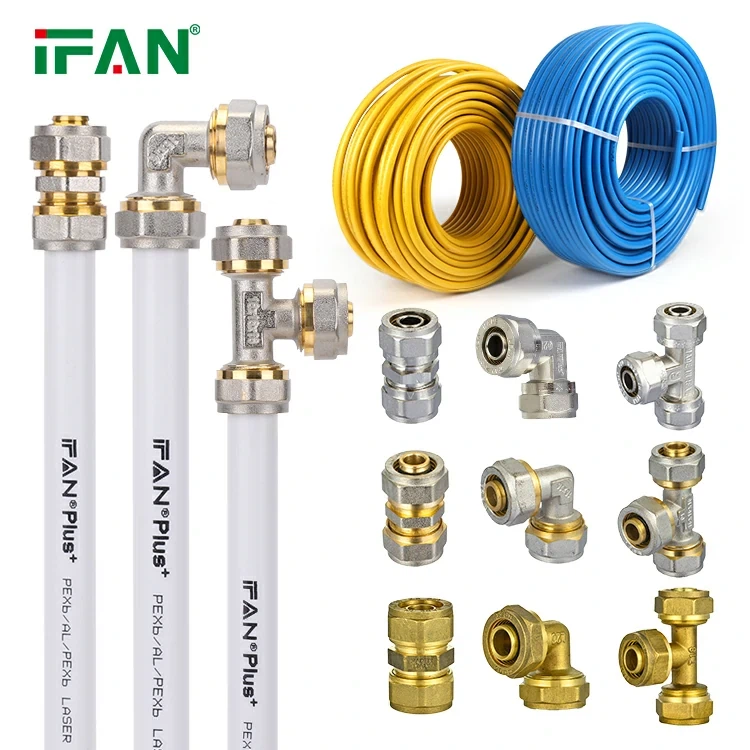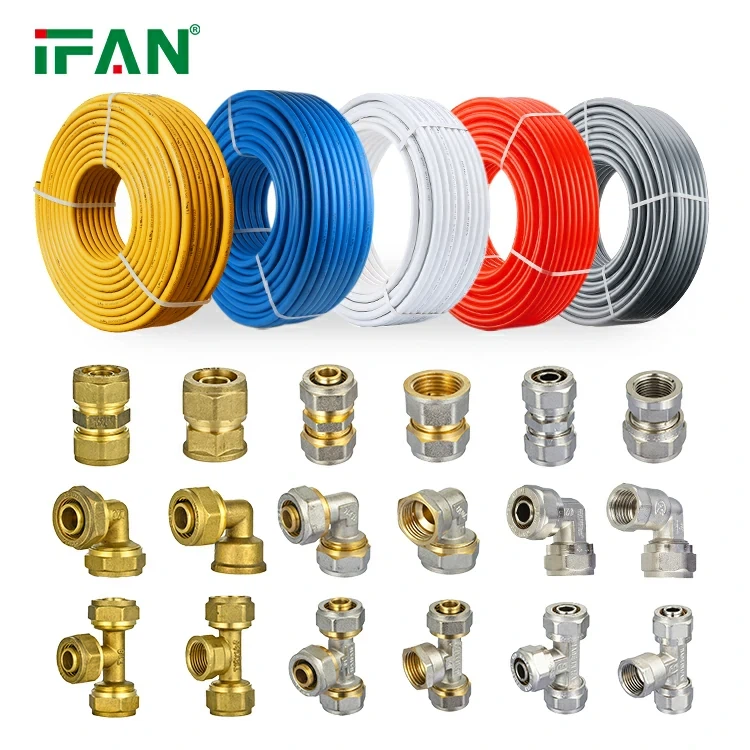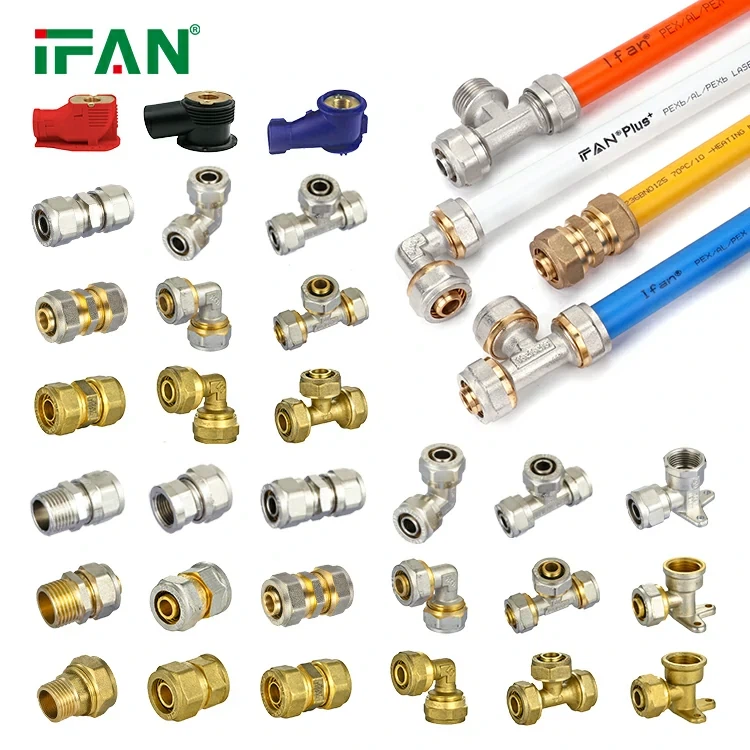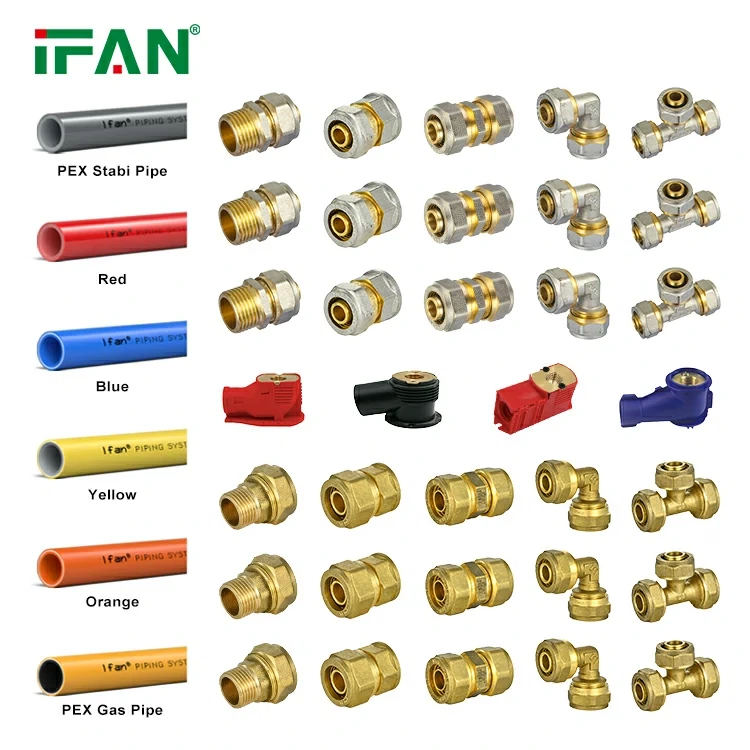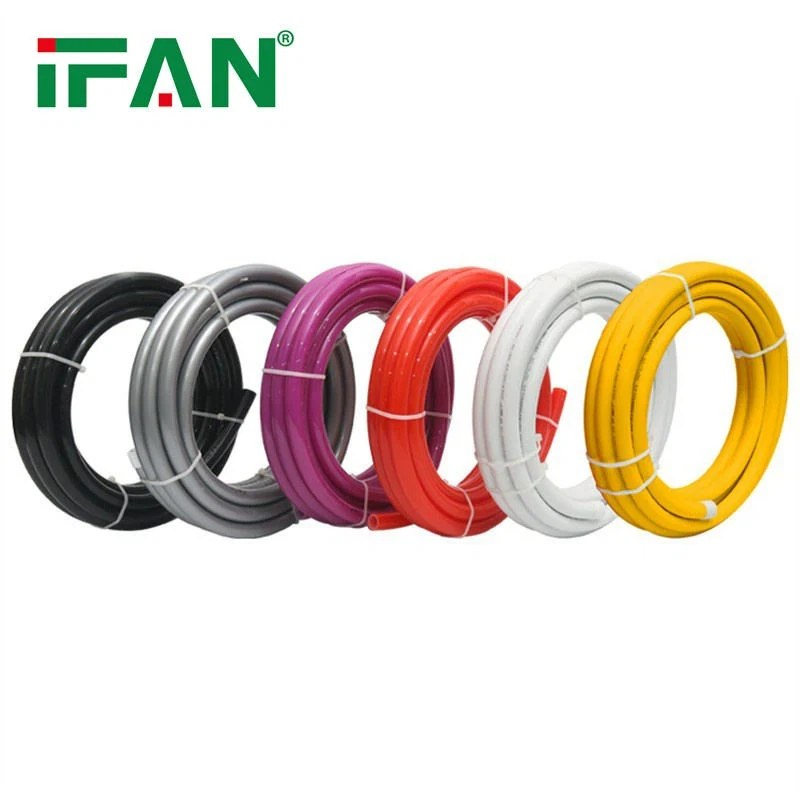
As a veteran plumber, I’m often asked by homeowners and fellow builders for my professional take on PEX piping systems. As with any material, PEX has both advantages and disadvantages that must be weighed for the application. In this guide, I’ll provide an unbiased expert overview of the key pros and cons of crosslinked polyethylene (PEX) plumbing tubing to support informed decisions about whether it may be an ideal choice for your residential or commercial project. We’ll examine PEX's strengths around flexibility, freeze resistance, and corrosion proofing along with limitations like maximum temperature ratings and potential UV light sensitivities. My goal is a balanced technical perspective on where and how PEX excels plus areas needing caution to set realistic expectations for best results.
PEX Background
First, a brief PEX overview for context. PEX stands for cross-linked polyethylene, a specialized plastic tubing meeting ASTM standards for plumbing and radiant heating systems. It was introduced in the 1960s but gained widespread use in the 1990s as an alternative to copper and galvanized steel. Key traits:
- Highly flexible plastic tubing unlike rigid metal pipes
- Simple push-fit, crimp, or expansion connections
- Easy for DIYers to install vs soldering or threading
- Three common grades: PEX-A, PEX-B, and PEX-C with varying temperature/pressure ratings
- Sizes from 1⁄4” to 2” for residential; up to 12” for commercial
PEX has gained popularity thanks to competitive cost and installation advantages versus traditional piping. But a balanced view examines both upsides and limitations.
Pros of PEX Tubing
Here are the key beneficial characteristics that make PEX a top-performing plumbing material:
- Flexibility - Easier routing through framing and fewer connections than rigid pipes. Tubing can snake around obstacles.
- Corrosion proof - Internal crosslinking prevents scale buildup. Unaffected by aggressive water or soils.
- Freeze-Resistance - Tubing flexibility prevents bursting if the water inside freezes and expands. Withstands freeze/thaw cycles well.
- Simple Installation - No torching, gluing, or special skills needed. Push-fittings allow fast connections. Ideal for DIYers.
- Lower Costs - Inexpensive polyethylene tubing. Push-fittings cost less than soldering copper. Saves on labor.
- Noise Reduction - PEX dampens vibrations and water hammer better than rigid metal pipes for quieter plumbing.
- High Durability - Life expectancy over long-term durability according to standards with proper installation and no chemical exposure risks.
With its combination of long-term corrosion-proof performance, freeze and noise resistance, affordable pricing, and easier installation than rigid piping, PEX exhibits highly attractive characteristics that make it a top choice for many residential and commercial plumbing applications. Where flexibility, simplicity, and cost matter, PEX delivers excellent utility.
Potential PEX Drawbacks
However, PEX does come with some inherent limitations to consider:
- Max 200°F Capability - Not suitable for steam lines or heating systems exceeding its maximum heat exposure. Rigid PEX deforms and structural integrity declines above 200°F over time vs metal pipes that withstand higher temperatures.
- UV Light Sensitivity - Prolonged sun exposure can degrade PEX tubing. Outdoor installations require protection.
- Rodent Damage - Small rodents like mice can nibble through PEX tubing if accessible. Metallic shielding or diversion may be needed in some cases.
- Specialized Tools - While not complex, PEX does require some specific installation tools like cutters and crimpers for proper results vs basic wrenches for metals.
- Flow Limitations - Internal corrosion and scale can impede flow in metal pipes. But depending on size PEX can have higher friction losses than smooth copper. Potentially requires one size larger PEX than copper piping for equal flow in some home run applications.
- Connection Skills - Poor craftsmanship causes leaks. Copper soldering requires more training but produces leak-proof results when done properly. PEX needs care to ensure fittings are fully seated and secured.
- Code Limitations - Permitted PEX applications and installation methods vary by local plumbing codes. Verify compliance before designing systems.
While far from deal-breakers, being aware of these limitations allows proper specification and installation to maximize performance. PEX may not suit all applications but excels when matched to appropriate uses accounting for its unbiased strengths and weaknesses.
Ideal PEX Applications
When ratings and realities match needs, PEX provides superb utility:
- Residential hot and cold potable water plumbing
- Radiant floor heating systems
- DIY home plumbing for novice installers
- Repiping or accessing old inaccessible rigid piping
- Insulated heating water lines below 200°F
- Trench water line burial with few connections
- Corrosive water conditions attacking other materials
- Routing through framing in retrofits or remodels
Conversely, situations better suited to rigid piping include:
- Commercial plumbing systems due to higher temperatures/pressures
- Steam lines and heating systems exceeding 200°F
- Chilled water systems with condensation concerns
- Plumbing runs exposed to outdoor UV light
- Medical gas piping where zero leeching is essential
- Applications where rodents may access piping
Thoughtfully matching applications to PEX capabilities typically yields excellent results. But ignoring limitations risks disappointment. Setting realistic expectations based on needs enables taking advantage of PEX benefits while avoiding misuse.
PEX provides immense advantages from flexible routing to corrosion resistance that make it a top choice for many hot and cold water plumbing applications. But limitations around heat tolerance, UV resistance, and flow must also be factored where relevant. Analyzing pros and cons objectively optimizes effective PEX specifications. With proper installation following manufacturer recommendations for the application, PEX can provide many decades of high-performance, low-maintenance plumbing service. But success requires selecting the ideal pipe material for each unique building system, whether PEX or other solutions. I hope this balanced plumber’s perspective on PEX capabilities assists you in making the most informed decision possible for your upcoming residential or commercial project. Please reach out with any other questions!