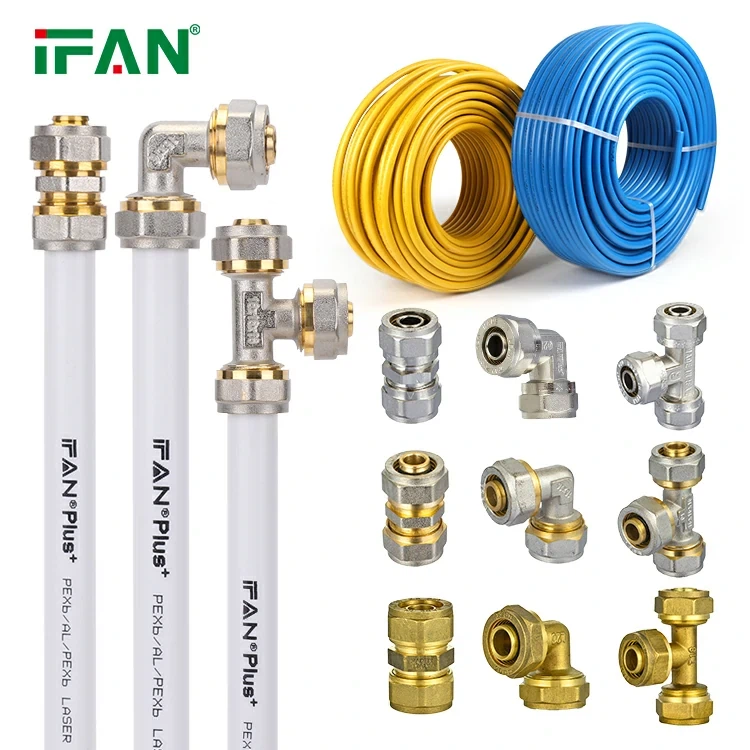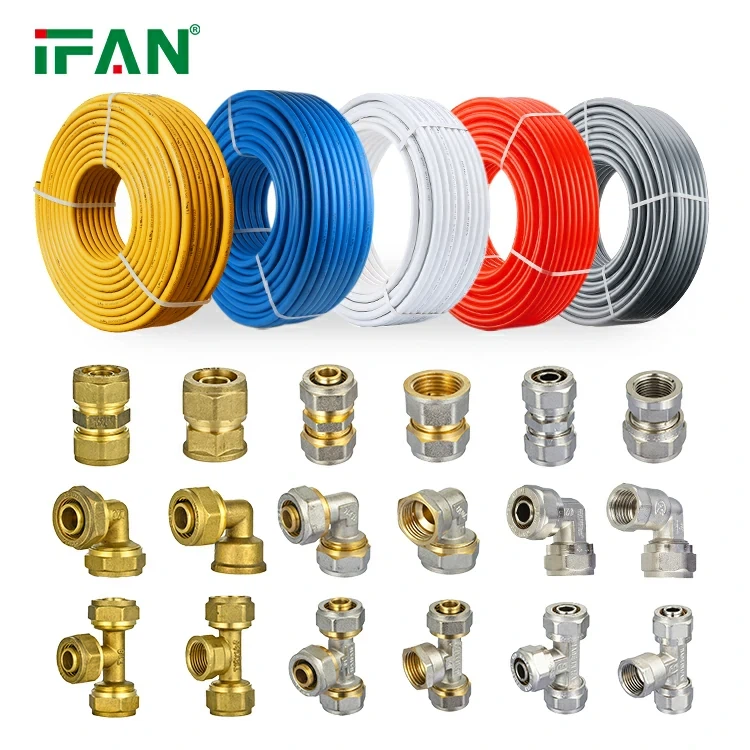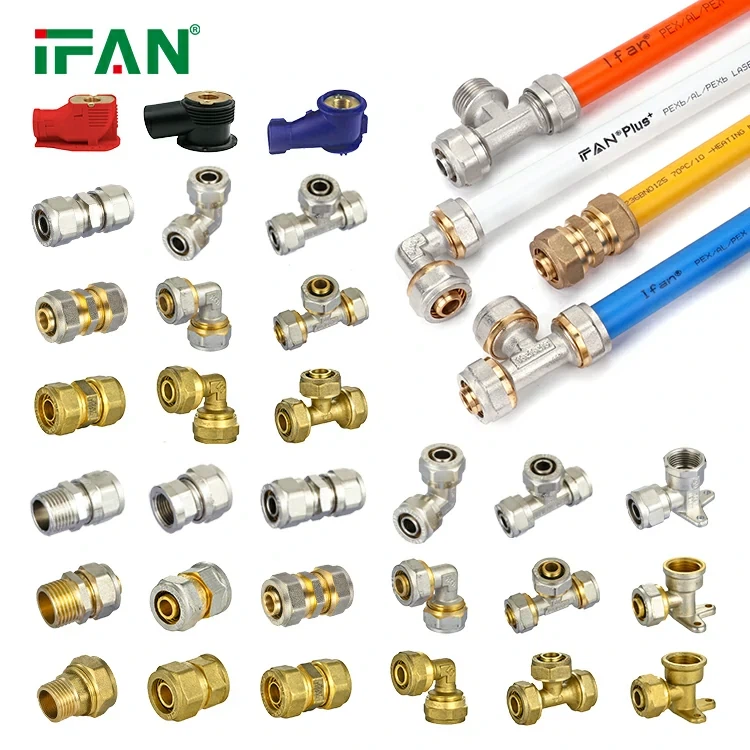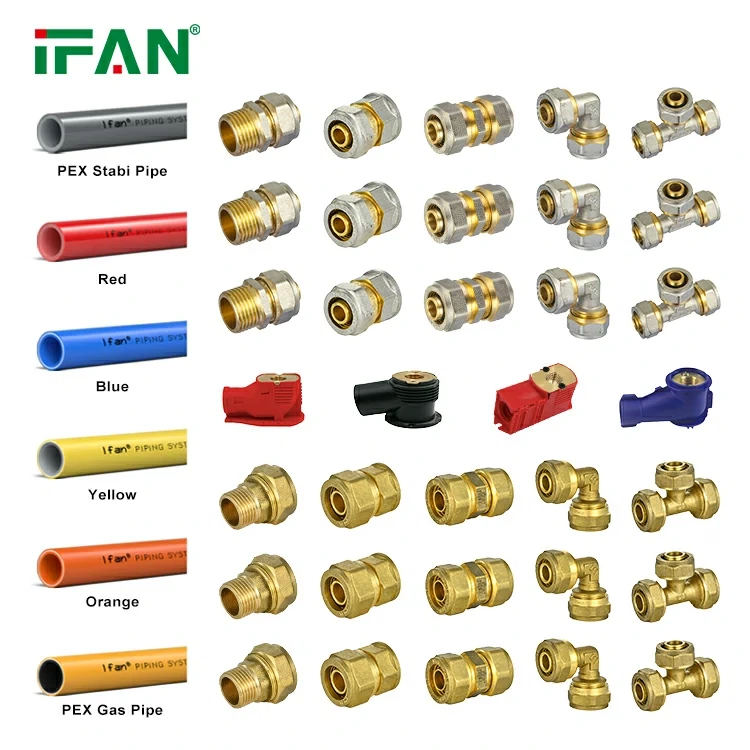
Introduction: As the plumbing industry evolves, the use of brass fittings remains prevalent. This article addresses a crucial question: Can brass fittings be confidently employed in systems designed for conveying drinking water? Delving into the intricacies, we explore the compatibility and considerations associated with brass fittings in potable water applications.
Understanding Brass Composition: Brass, a combination of copper and zinc, forms the basis of many fittings. The ratio of these components can vary, influencing the properties of the brass. It is imperative to select brass fittings that adhere to established standards for drinking water safety.
Mitigating Lead Concerns: Historically, the presence of lead in brass fittings has been a cause for concern. To address this, stringent regulations exist, limiting the allowable lead content in materials intended for contact with drinking water. The market response includes the availability of lead-free brass fittings, prioritizing consumer health and safety.
Embracing Lead-Free Solutions: The shift towards lead-free brass fittings reflects a commitment to water safety. Manufacturers produce fittings designed to meet or exceed regulatory standards for lead content. Opting for lead-free brass ensures compliance and minimizes the risk of lead leaching into drinking water.
Preserving Corrosion Resistance: The inherent corrosion resistance of brass contributes to the reliability of plumbing systems. Brass fittings resist rust and scale formation, promoting the longevity of the system. Regular inspections and maintenance practices are essential to uphold the corrosion-resistant properties of brass fittings.
Installation Best Practices: Proper installation techniques play a pivotal role in ensuring the effectiveness of brass fittings. Adhering to industry best practices and manufacturer guidelines during installation is fundamental. These measures collectively contribute to the longevity and performance of brass fittings in potable water systems.
Monitoring Water Quality: A proactive approach to water safety involves regular testing and monitoring. Periodic assessments for lead content and other potential contaminants provide insights into the quality of drinking water. Implementing a robust testing regimen is a vital component of responsible water system management.
Conclusion: In conclusion, brass fittings can be compatible with drinking water systems when selected, installed, and maintained with diligence. The industry's transition to lead-free brass reflects a commitment to advancing water safety, emphasizing the importance of informed choices and best practices in plumbing applications.