
Material Suitability for Closed-Loop Systems
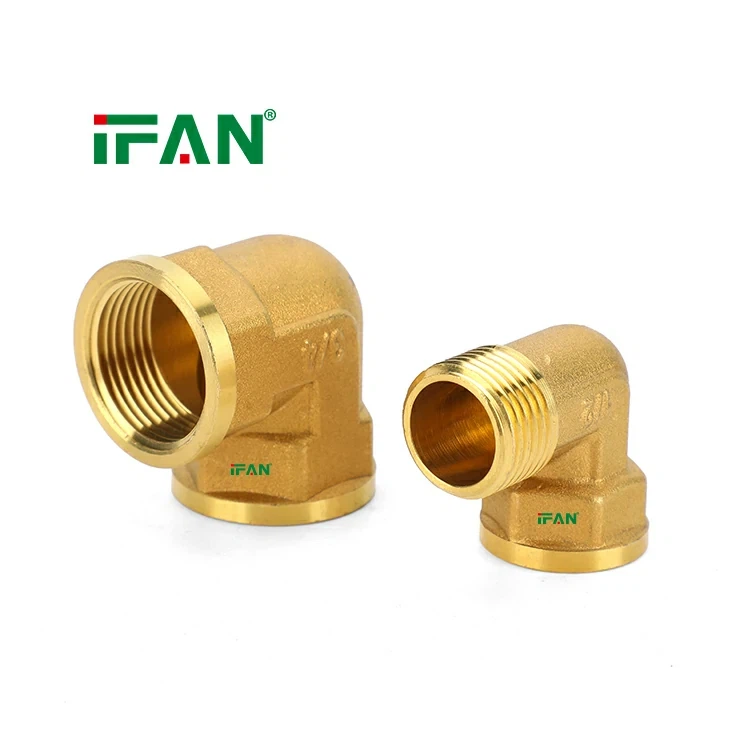
Brass pipe fittings are fully suitable for hydronic heating systems. These systems circulate hot water through radiators, floor loops, or baseboards. Brass is valued for its strength, corrosion resistance, and ability to withstand high temperatures. It is a standard material approved by major building codes.
Code Approvals and Standards
Building codes specifically list brass for hydronic service. The International Residential Code (IRC) Table M2101.1 includes "brass pipe" and "brass tubing" as approved hydronic piping materials. This applies to above-ground installations. The code requires that fittings be rated for the operating temperature and pressure of the system.
Temperature and Pressure Ratings
Hydronic systems operate within brass's performance range. Standard residential systems run at 140-160°F (60-71°C). A typical brass expansion fitting is rated for a maximum of 160°F at 73 psi. Brass also has high-temperature tolerance, making it ideal for hot water distribution systems.
DZR Brass for Corrosion Protection
Not all brass is equal for hydronic heating. You need DZR (Dezincification Resistant) brass fittings. DZR brass is specially formulated and heat-treated to prevent corrosion. This is essential because hydronic systems may contain aggressive water chemistry. DZR fittings are "corrosion-resistant" and certified for hydronic heating system applications.
Common Fitting Types for Radiant Heating
Brass manifolds are common in floor heating systems. A typical brass manifold connects 2, 3, or 4 water lines. It distributes hot water evenly across multiple heating loops. Brass T-shaped fittings are designed to connect or divert multiple water lines for flexible plumbing setups in these systems. These manifolds can handle up to 195 PSI in commercial-grade applications.
Transition Fittings for Hybrid Systems
Brass pipe fittings are used to transition between materials. For example, "brass sweat adapters" connect PEX pipe to copper pipe for use in hydronic heating and cooling systems. One end uses a PEX connection while the other has a copper sweat connection. This allows hybrid systems that combine different pipe types.

Lead-Free Requirements for Potable Connections
If your hydronic system has a potable water connection, use lead-free brass. Lead-free brass pipe fittings meet NSF/ANSI 61 and 372 standards. These have a maximum lead content of 0.25% by weight. Many jurisdictions require lead-free materials for any system connected to drinking water.
Prohibited Applications
Some brass fittings are not safe for certain uses. For example, C36000 brass fittings are specifically marked "not for potable applications". These are acceptable for closed hydronic loops but not for drinking water lines. Always check the manufacturer's labeling before installation.
Joint Types Allowed by Code
Hydronic brass connections can be made in several ways. The IRC allows brazed, welded, threaded, mechanical, and flanged joints for brass pipe. For brass tubing, brazed, soldered, and mechanical joints are permitted. Threaded connections require PTFE tape to secure the seal.
Pressure Ratings for Different Grades
Brass pipe fittings come in different pressure classes. Class 125 fittings are for low-pressure systems (100-299 psi). Nickel-plated high-pressure fittings can handle 1,000 to 3,000 psi. For standard residential hydronic systems, Class 125 with DZR brass is typically sufficient.
Understanding 160°F / 73 psi Limits
Many brass expansion fittings list a specific maximum: 160°F at 73 psi. This is a common rating for PEX-to-brass connections. Note that the pressure rating drops as temperature increases. At lower temperatures, the same fitting can handle higher pressures.
Summary for Installers
Brass pipe fittings are fully compatible with hydronic heating systems. They are code-approved, durable, and heat-resistant. For best results, use DZR lead-free brass for corrosion protection. Choose the correct pressure class and joint type for your application. Always follow the manufacturer's temperature and pressure ratings. Whether for radiant floor heating or baseboard systems, brass provides reliable, long-lasting performance.