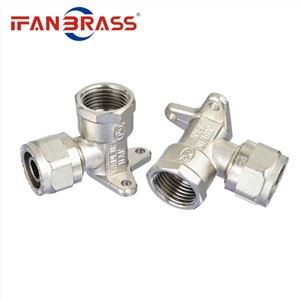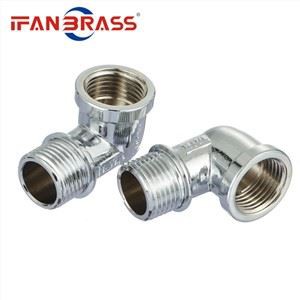

Temperature Range of Brass Fittings
Brass pipe fittings are highly versatile for temperature. A typical brass compression fitting is rated for water service from 0°C to 95°C (32°F to 203°F). This range completely covers residential hot water heaters, which usually output at 60°C (140°F). The wide range makes them suitable for year-round use.
Performance in Hot Water Systems
The material maintains its mechanical strength at high temperatures. A Class 125 brass fitting handles liquid pressures up to 200 psi when temperatures stay below 150°F (65°C). This far exceeds the pressure found in standard home plumbing (40-80 psi). Brass pipe fittings do not soften or deform under normal hot water use.
Performance in Cold Water Supply
Cold water service is not challenging for brass. The material remains ductile and does not become brittle like some plastics. Standard brass pipe fittings are used for main cold water lines entering buildings. Freeze conditions require insulation, but the brass itself performs well at low temperatures. The material is rated down to -20°C (-4°F) for some applications.
The DZR Requirement for Hot Water
Not all brass handles hot water equally. Standard yellow brass (C36000) is vulnerable to dezincification. This is a corrosion process where zinc leaches out of the alloy. Hot water significantly accelerates this chemical reaction. The presence of chlorine in municipal water further speeds the damage.

What is Dezincification?
Dezincification leaves behind a weak, porous copper structure. The fitting loses all mechanical strength. A forensic analysis of failed hot water fittings found zinc "completely leached... leaving a porous matrix through the entire wall thickness". The result is sudden, unpredictable leakage. This is the primary failure mode for brass pipe fittings in hot water systems.
Identifying DZR Brass
DZR stands for Dezincification Resistant Brass. This alloy contains small amounts of arsenic or antimony. These additives prevent the selective removal of zinc. Brass pipe fittings made from DZR are mandatory for hot water systems in many codes. Look for "DZR" or "CR" markings on the fitting. The SharkBite expansion tee is an example of a DZR fitting certified for hydronic heating.
Lead-Free Requirements for Potable Water
Drinking water systems require low-lead materials. The NSF/ANSI 372 standard defines "lead-free" as less than 0.25% lead content. All modern brass pipe fittings for potable water must meet this standard. This applies to both hot and cold water lines. The certification is marked on the product or packaging.
Water Chemistry and Fitting Life
Even DZR brass is affected by poor water chemistry. Low pH (acidic water) accelerates dezincification. High chloride content is also a contributing factor. Stagnant or low-flow conditions worsen the attack. Hard water with scale deposits traps corrosives against the metal surface. A forensic investigation recommended water testing to prevent premature failure.
Example of Failure in Hot Water Systems
A case study examined brass fittings in a home's hot water line. The fittings showed severe "plug-type" dezincification. Zinc had leached completely through the entire wall thickness. The investigation found that the corrosion was due to hot water temperature combined with aggressive water chemistry. All similar fittings in the hot water line were at imminent risk of leaking.
Pressure Ratings Across Temperatures
Pressure capacity decreases as temperature increases. A Class 125 fitting rated for 200 psi at room temperature must be derated for hot water. At 150°F (65°C), the safe pressure drops significantly. Always consult manufacturer specifications for exact ratings. Brass pipe fittings used in high-temperature systems need a safety margin.
Application in Heating Systems
Brass fittings are suitable for hydronic heating systems. These systems circulate hot water through radiators or floor loops. Maximum working temperatures for heating are typically 160°F (71°C) at 75 psi. DZR brass is specifically recommended for these closed-loop systems. The certification includes NSF/ANSI 61 for potable water compatibility.
Summary and Best Practices
Yes, brass pipe fittings are suitable for both hot and cold water. However, you must select DZR brass for hot water systems. Standard yellow brass will fail prematurely from dezincification. Always use lead-free fittings for drinking water. Test your water chemistry if you suspect aggressive conditions.
| Feature | Standard Brass | DZR Brass |
|---|---|---|
| Hot Water Suitability | Poor (dezincification risk) | Excellent |
| Cold Water Suitability | Good | Good |
| Lead-Free Available | Yes | Yes |
| Best Application | Cold water only, drainage | Hot water, heating, potable |
Brass pipe fittings provide reliable service across the temperature range of residential and commercial plumbing. The material's strength and durability are proven. The key to longevity is correct material selection. Choose DZR, lead-free brass for any hot water application. Your system will perform safely for decades.