
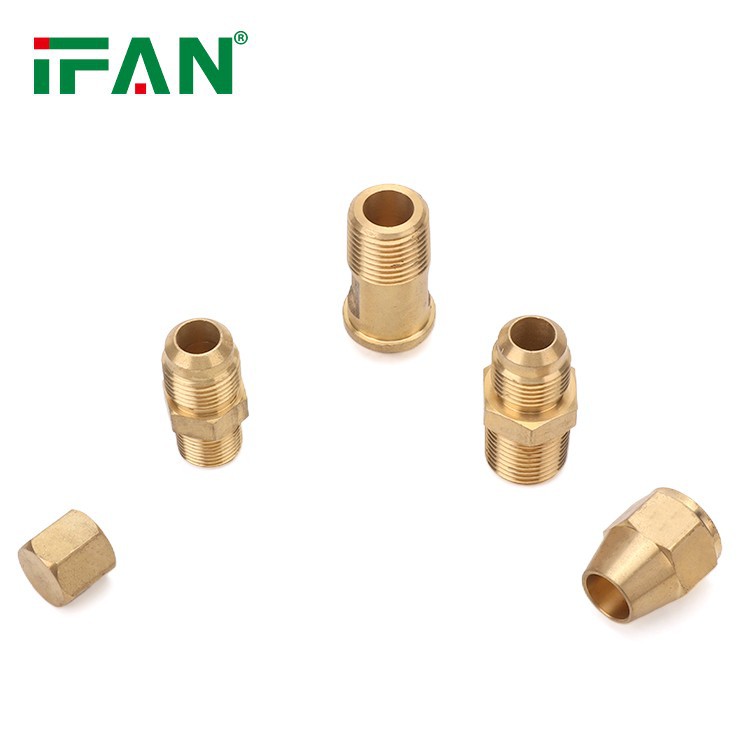
Introduction to Yellow Gas Fittings
Yellow gas fittings are specialized components used in gas piping systems, easily identifiable by their distinctive yellow coating. This coloration serves as a visual indicator for gas lines, aligning with international safety standards such as ISO 14726, which designates yellow for flammable gases . These fittings are integral in ensuring the safe and efficient transport of natural gas and propane within residential, commercial, and industrial settings. Their design and material composition are tailored to withstand the specific demands of gas distribution, including pressure variations and environmental factors.
Material Composition and Coating
Typically constructed from durable materials like stainless steel or brass, yellow gas fittings are designed to resist corrosion and mechanical wear. The yellow coating, often an epoxy or polymer layer, provides an additional barrier against environmental factors such as moisture, chemicals, and UV radiation. This coating not only enhances the longevity of the fittings but also aids in quick identification during installation and maintenance. For instance, products like the Eastman 24" yellow epoxy-coated gas connector hose exemplify the combination of robust materials and protective coatings.
Types and Configurations
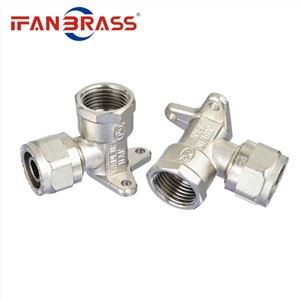
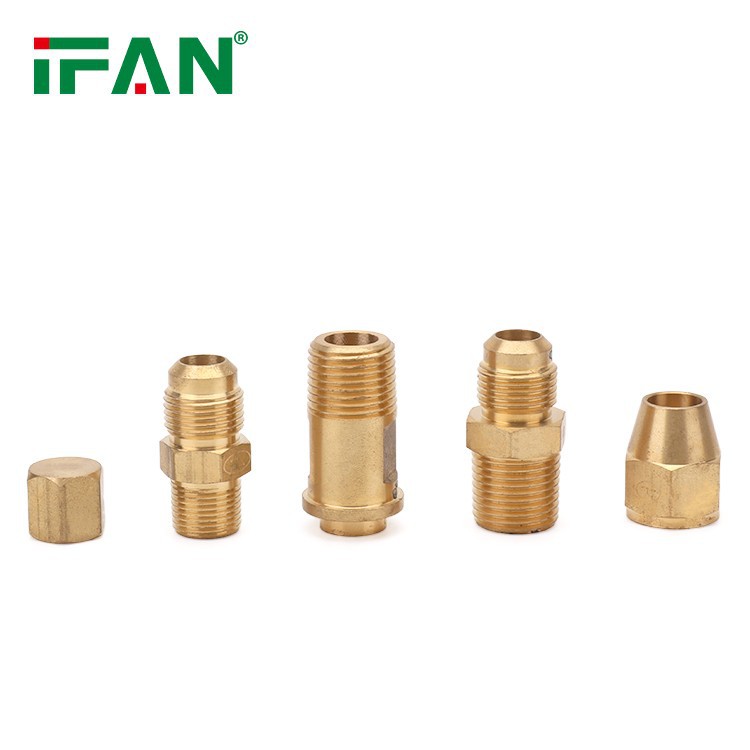
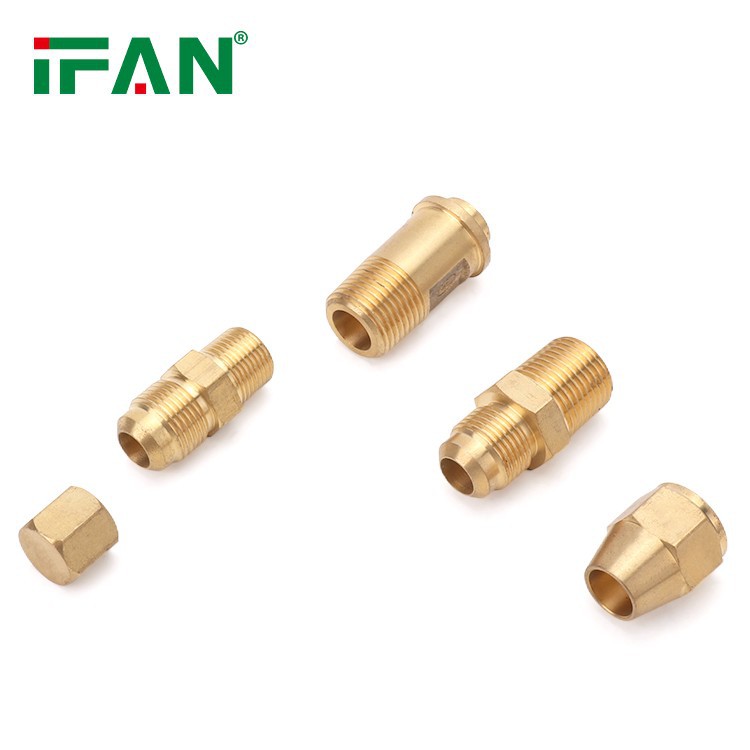
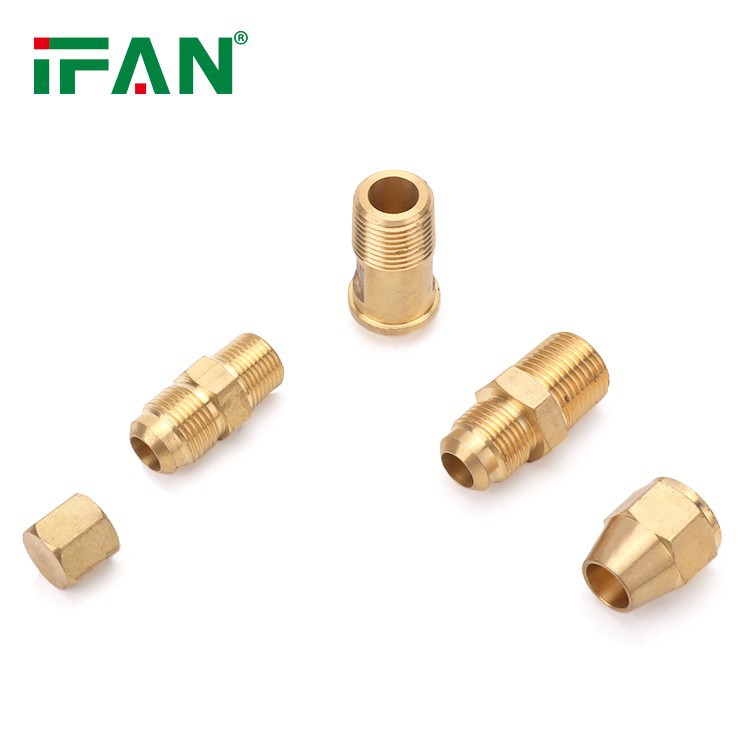
Yellow gas fittings come in various types and configurations to accommodate different installation requirements. Common types include:
Connectors: Flexible hoses that link gas appliances to the supply line.
Elbows: Allow directional changes in piping systems.
Tees: Enable branching of gas lines.
Adapters: Facilitate connections between different pipe sizes or types.
These fittings are available in various sizes and thread types, such as MIP (Male Iron Pipe) and FIP (Female Iron Pipe), to ensure compatibility with existing piping systems. For example, the Jones Stephens 3/8" OD yellow coated corrugated stainless steel gas connector features 1/2" MIP x 1/2" MIP connections, catering to specific installation needs .

Safety Standards and Compliance
Adherence to safety standards is paramount in the design and application of yellow gas fittings. These fittings often comply with certifications such as:
ANSI Z21.24: Standard for gas appliance connectors.
CSA 6.10: Certification for gas connectors in Canada.
Compliance ensures that the fittings have undergone rigorous testing for factors like pressure resistance, leak prevention, and material integrity. Products like the Jones Stephens 1" OD yellow coated gas connector are 100% leak tested and meet ANSI standards, providing assurance of safety and reliability .
Installation Considerations
Proper installation of yellow gas fittings is crucial for system integrity and safety. Key considerations include:
Thread Compatibility: Ensuring that the fitting threads match the existing piping.
Torque Specifications: Adhering to recommended tightening torques to prevent leaks or damage.
Use of Sealants: Applying appropriate thread sealants or tapes compatible with gas systems.
Installers must also verify that the fittings are suitable for the specific type of gas (natural or propane) and the pressure requirements of the system.
Maintenance and Inspection
Regular maintenance and inspection of yellow gas fittings are essential to ensure ongoing safety and performance. This includes:
Visual Inspections: Checking for signs of corrosion, wear, or damage to the coating.
Leak Testing: Using approved methods to detect any gas leaks at connection points.
Replacement: Timely replacement of fittings showing signs of degradation or after a specified service period.
Adhering to a maintenance schedule helps prevent potential hazards associated with gas leaks or system failures.
Advantages of Yellow Gas Fittings
The use of yellow gas fittings offers several benefits:
Enhanced Safety: The yellow coating provides corrosion resistance and easy identification, reducing the risk of accidental damage.
Flexibility: Flexible connectors accommodate movement and vibration, minimizing stress on the piping system.
Ease of Installation: Standardized sizes and thread types simplify the installation process.
Compliance: Meeting industry standards ensures that the fittings are suitable for various applications and environments.
These advantages make yellow gas fittings a preferred choice for professionals in the gas installation and maintenance industry.
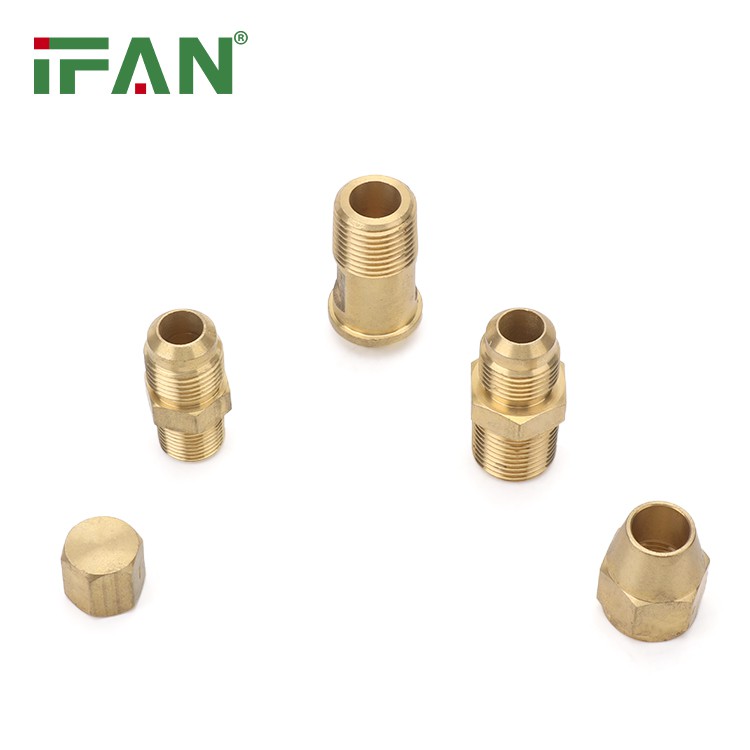
Selection Criteria
When selecting yellow gas fittings, consider the following factors:
Application: Determine the specific use case (e.g., residential appliance, commercial equipment).
Gas Type: Ensure compatibility with the type of gas being used.
Pressure Requirements: Verify that the fitting can withstand the system's operating pressure.
Environmental Conditions: Consider exposure to elements like moisture, chemicals, or temperature extremes.
Careful selection based on these criteria ensures optimal performance and safety of the gas system.
Conclusion
Yellow gas fittings play a vital role in the safe and efficient distribution of gas in various settings. Their distinctive color aids in quick identification, while their robust construction and compliance with safety standards ensure reliability. By understanding their types, applications, and maintenance requirements, professionals can make informed decisions, contributing to the overall safety and effectiveness of gas distribution systems.
Contact IFAN
Phone:+86 15088288323