



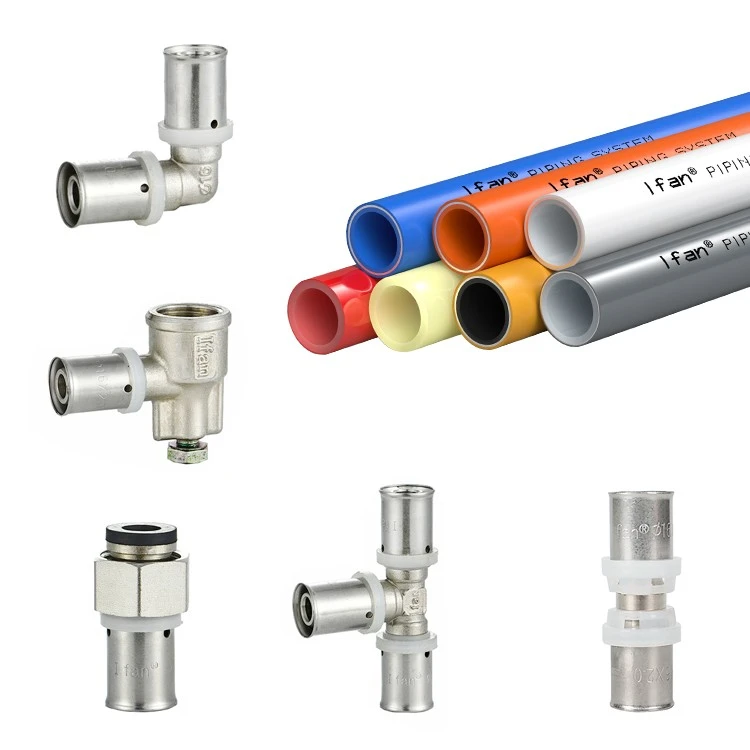

Brass compression fittings and brass press fittings are both widely used in plumbing and industrial systems for connecting pipes, but they differ significantly in terms of installation, performance, and applications. Below is a detailed comparison to help you understand their differences:
1. Installation Method
Brass Compression Fitting:
How It Works: Uses a compression nut and ferrule (olive) to create a seal. The nut is tightened, compressing the ferrule against the pipe.
Tools Required: Wrenches for tightening the nut.
Ease of Installation: Requires manual tightening, which can be time-consuming and may need adjustments to prevent leaks.
Brass Press Fitting:
How It Works: Uses a press tool to compress the fitting around the pipe, creating a secure, leak-proof connection.
Tools Required: Specialized press tool.
Ease of Installation: Quick and easy, with no need for manual tightening or adjustments.
2. Connection Type
Brass Compression Fitting:
Connection: Mechanical connection.
Reusability: Can be disassembled and reused, though the ferrule may need replacement.
Leak Risk: Higher risk of leaks if not properly tightened.
Brass Press Fitting:
Connection: Permanent, press-sealed connection.
Reusability: Cannot be disassembled or reused once pressed.
Leak Risk: Very low risk of leaks due to the secure press seal.
3. Applications
Brass Compression Fitting:
Common Uses: Ideal for low-pressure systems, temporary installations, and situations where disassembly may be needed.
Examples: Household plumbing, gas lines, and irrigation systems.
Brass Press Fitting:
Common Uses: Suitable for high-pressure systems, permanent installations, and applications requiring a reliable, leak-proof connection.
Examples: Industrial piping, HVAC systems, and underground water supply lines.
4. Pressure and Temperature Resistance
Brass Compression Fitting:
Pressure: Suitable for low to medium pressure systems.
Temperature: Can handle moderate temperatures but may not be ideal for high-temperature applications.
Brass Press Fitting:
Pressure: Suitable for high-pressure systems.
Temperature: Can handle higher temperatures, making them ideal for hot water and steam systems.
5. Cost
Brass Compression Fitting:
Initial Cost: Lower initial cost.
Long-Term Cost: May require maintenance or adjustments, increasing long-term costs.
Brass Press Fitting:
Initial Cost: Higher initial cost due to the need for a press tool.
Long-Term Cost: Lower maintenance costs and fewer leaks, reducing long-term expenses.
6. Durability
Brass Compression Fitting:
Durability: Durable but may require periodic maintenance to ensure a tight seal.
Lifespan: Shorter lifespan compared to press fittings, especially in high-pressure systems.
Brass Press Fitting:
Durability: Highly durable with a long lifespan.
Lifespan: Longer lifespan, especially in high-pressure and high-temperature environments.
7. Aesthetic and Space Considerations
Brass Compression Fitting:
Aesthetic: Bulky appearance due to the compression nut and ferrule.
Space: Requires more space for installation and tightening.
Brass Press Fitting:
Aesthetic: Sleek and compact design.
Space: Requires less space, making it ideal for tight or confined areas.
Summary of Differences
| Feature | Brass Compression Fitting | Brass Press Fitting |
|---|---|---|
| Installation | Manual tightening with wrenches | Requires a press tool |
| Connection Type | Mechanical, reusable | Permanent, non-reusable |
| Leak Risk | Higher if not properly tightened | Very low |
| Applications | Low-pressure, temporary installations | High-pressure, permanent installations |
| Pressure Resistance | Low to medium | High |
| Temperature Resistance | Moderate | High |
| Cost | Lower initial cost, higher long-term cost | Higher initial cost, lower long-term cost |
| Durability | Durable but may require maintenance | Highly durable, long lifespan |
| Aesthetic | Bulky | Sleek and compact |
Which Should You Choose?
Choose Brass Compression Fittings if:
You need a reusable, cost-effective solution for low-pressure systems.
Your application requires occasional disassembly or adjustments.
Choose Brass Press Fittings if:
You need a reliable, leak-proof connection for high-pressure or high-temperature systems.
Your application requires a permanent, low-maintenance solution.
Both types of fittings have their unique advantages, so the choice depends on your specific requirements and application.
Contact IFAN
Phone:+86 15088288323
Email:sales24-ifan@ifangroup.com


