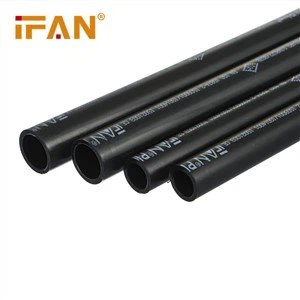


Introduction to BS 22391 Standard
BS 22391 is a recognized British Standard that specifies requirements for multilayer pipes, including those used for heating underfloor systems. Pipes manufactured under this standard ensure a high level of dimensional accuracy, mechanical strength, and thermal performance. Heating underfloor pipes following BS 22391 are designed to maintain consistent performance at elevated temperatures and under various load conditions. The standard outlines parameters such as nominal pressure ratings, temperature classifications, and long-term durability. Compliance with BS 22391 assures that the heating pipe is suitable for use in modern underfloor heating applications, providing a reliable and safe solution. This standard also defines testing protocols and performance benchmarks, ensuring that each batch of pipes meets strict quality requirements. Consequently, BS 22391 heating underfloor pipes are widely adopted in both residential and commercial heating systems.
Material Composition and Design
BS 22391 heating underfloor pipes are typically constructed using high-performance polymer materials, such as polyethylene of raised temperature resistance (PE-RT) or cross-linked polyethylene (PEX). These materials are selected for their durability, flexibility, and resistance to high temperatures. The pipes may incorporate multiple layers, including an inner oxygen barrier layer that prevents oxygen ingress into the heating system, reducing the risk of corrosion in metal components. The multilayer design of the pipe enhances its structural integrity and provides resistance to deformation under mechanical stress. The outer layer is often colored to indicate the pipe's intended use and to provide UV resistance during installation. The uniform wall thickness and smooth inner surface contribute to consistent water flow, reducing friction losses and enhancing energy efficiency.
Dimensional Specifications
Heating underfloor pipes produced under BS 22391 are available in a range of diameters and wall thicknesses to suit various system requirements. Typical pipe sizes include outer diameters of 16 mm, 20 mm, and 25 mm, with corresponding wall thicknesses to achieve the desired pressure ratings and flow capacities. The dimensional tolerances specified in the standard ensure precise fit with compatible fittings and connectors. Each pipe length is marked with essential information such as manufacturer name, nominal size, wall thickness, pressure rating, temperature classification, and batch number for traceability. The standard ensures that dimensional stability is maintained under both thermal expansion and mechanical stress, which is critical for the longevity and reliability of underfloor heating systems.
Thermal and Pressure Performance
BS 22391 heating underfloor pipes are engineered to withstand continuous operating temperatures of up to 70°C, with short-term peak temperatures reaching 95°C. These pipes are also rated for pressures commonly encountered in heating systems, such as 6 bar or 10 bar, depending on the pipe's diameter and wall thickness. The material composition and multilayer design provide excellent resistance to thermal cycling, reducing the risk of fatigue failure over time. These pipes maintain flexibility at lower temperatures, enabling easy installation even in complex system layouts. The ability of the pipe to resist deformation and maintain its shape under pressure and temperature fluctuations ensures consistent water distribution and heat output, contributing to the overall efficiency of the underfloor heating system.
Oxygen Barrier Integration
An essential feature of BS 22391 heating underfloor pipes is the incorporation of an oxygen barrier layer. This layer, typically made of ethylene vinyl alcohol (EVOH), is positioned within the pipe wall and prevents the diffusion of oxygen molecules into the heating fluid. By minimizing oxygen ingress, the risk of corrosion in system components such as boilers, pumps, and valves is significantly reduced. The oxygen barrier layer is applied during the pipe's extrusion process to form an integral part of the pipe structure, ensuring long-lasting effectiveness. This design feature enhances the system's durability and extends the service life of heating equipment by reducing maintenance needs and the potential for system failures caused by corrosion.

Manufacturing Quality and Testing
Manufacturers of BS 22391 heating underfloor pipes adhere to stringent quality control procedures during production. The manufacturing process includes continuous monitoring of pipe dimensions, wall thickness, and surface finish to ensure compliance with standard specifications. Pipes undergo hydrostatic pressure testing to confirm their ability to withstand specified pressures over extended periods. Thermal stability testing at elevated temperatures verifies the pipe's long-term performance under heating system conditions. Additionally, the oxygen barrier's integrity and adhesion to the pipe structure are assessed through peel strength and permeability tests. Pipes that meet the BS 22391 requirements are marked with certification symbols and relevant technical data, providing installers and system designers with assurance of product quality and performance.
Installation Considerations
BS 22391 heating underfloor pipes are designed for ease of installation in both new builds and retrofit projects. The pipes are supplied in coils of varying lengths, allowing for continuous runs with minimal joints, which reduces potential leak points. The pipe's flexibility facilitates routing around obstacles and through tight spaces, while maintaining structural integrity. When installing these pipes, care must be taken to follow recommended bending radii, typically around five times the pipe's outer diameter, to avoid kinking. Proper support and spacing of the pipe within the floor construction are essential to ensure even heat distribution and avoid stress concentrations. Following the manufacturer's guidelines for cutting, joining, and pressure testing ensures a successful and long-lasting installation.
System Compatibility
BS 22391 heating underfloor pipes are compatible with a variety of fittings and manifolds designed for underfloor heating applications. These include push-fit connectors, compression fittings, and press-fit systems that provide secure and leak-proof connections. The pipe's standard dimensions and tolerances allow it to integrate seamlessly into a range of system designs, whether for residential floor heating or larger-scale commercial projects. Compatibility with standard control systems, including thermostats and zone valves, ensures efficient and reliable system operation. When combined with appropriately rated insulation and installation materials, these pipes contribute to energy-efficient heating systems that deliver consistent comfort and performance.
Regulatory Compliance and Environmental Considerations
Pipes manufactured to BS 22391 standards meet rigorous regulatory and environmental requirements. The materials used are free from harmful substances such as lead, cadmium, and other heavy metals, ensuring safety in residential and commercial environments. The inclusion of an oxygen barrier complies with heating system codes and helps minimize maintenance requirements. The production process emphasizes energy efficiency and minimizes waste, with many manufacturers incorporating recycling practices for production scrap. BS 22391 heating underfloor pipes also contribute to sustainable building practices by offering long service life, reducing the need for frequent replacements, and supporting efficient energy use in underfloor heating systems.
Conclusion
BS 22391 heating underfloor pipes represent a high-quality, reliable solution for modern heating systems. Their design incorporates robust materials, precise dimensional tolerances, thermal and pressure resilience, and an integrated oxygen barrier for system protection. The standard's rigorous testing and compliance requirements ensure consistent product performance and safety. From ease of installation to long-term durability, BS 22391 pipes play a crucial role in delivering efficient, comfortable, and sustainable heating solutions. By adhering to proper installation guidelines and leveraging the benefits of these certified pipes, system designers and installers can ensure reliable performance and user satisfaction in underfloor heating projects.
Contact IFAN
Phone:+86 15088288323