

Overview of PERT Pipe Design
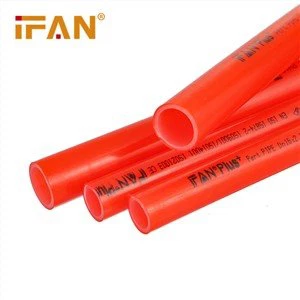
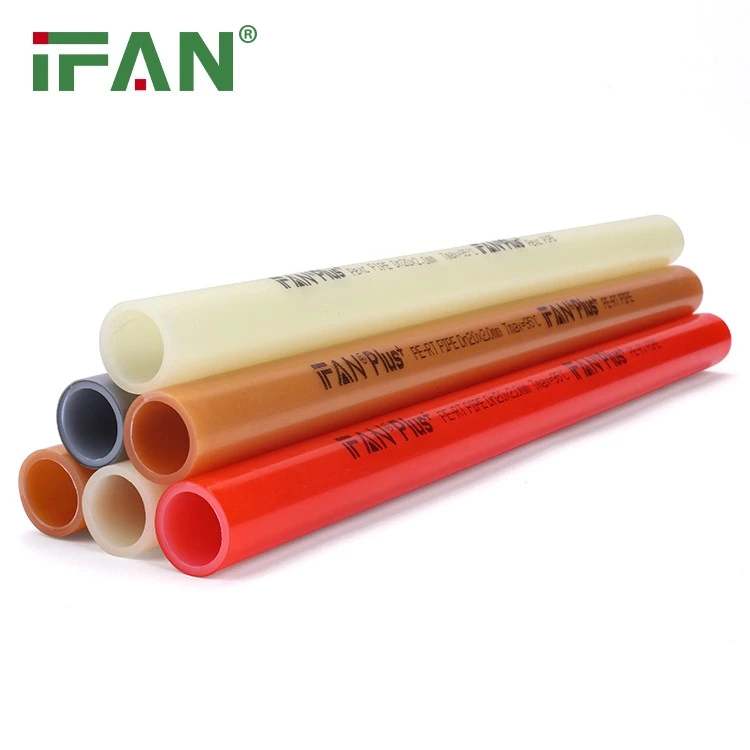
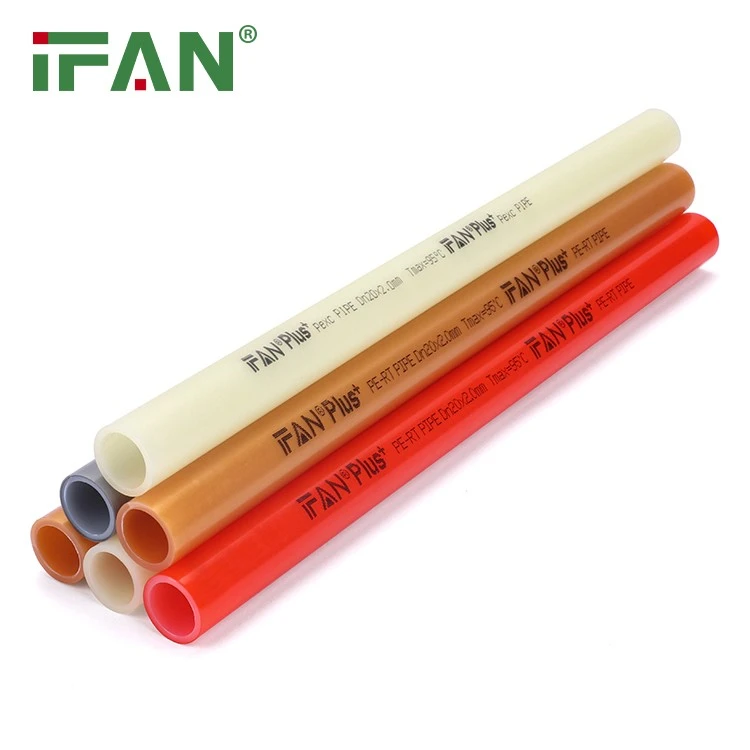
PERT (Polyethylene of Raised Temperature resistance) pipes are designed for high-temperature applications where flexibility, durability, and thermal performance are crucial. Multiple color PERT pipes are manufactured using advanced extrusion techniques that allow for consistent wall thickness, smooth inner surfaces, and robust structural integrity. These pipes can be produced in a variety of colors, including red, blue, green, yellow, and white, to meet different identification needs for system design and safety. The color is integrated into the polymer matrix during production, ensuring long-lasting color retention and resistance to fading or leaching. The uniform pigmentation also aids in system organization, allowing for clear distinction between supply lines, return lines, and specific circuits in complex installations. The multiple color options in PERT pipes enhance both functionality and visual management of piping systems in residential, commercial, and industrial projects.
Material Composition and Properties
Multiple color PERT pipes are crafted from specially formulated polyethylene materials that incorporate raised temperature resistance properties. The base resin is a type of high-density polyethylene (HDPE) modified with specific molecular structures to enhance its performance at elevated temperatures. This modification provides high flexibility, resistance to cracking, and excellent mechanical strength. The colored variants are achieved by adding stable, non-toxic pigments during the extrusion process, ensuring the color becomes a permanent part of the pipe wall. This process eliminates the risk of color fading or leaching, even under high thermal or chemical exposure. The material's inherent flexibility enables tight bending radii and smooth installation, while maintaining pressure and temperature resistance according to industry standards. The multiple color PERT pipes maintain their structural integrity over a wide range of temperatures and pressures.
Dimensional Standards and Color Coding
Multiple color PERT pipes are available in a wide range of diameters and wall thicknesses, conforming to international dimensional standards such as ISO 22391 and national specifications. Common sizes include outer diameters ranging from 16 mm to 32 mm, with wall thicknesses tailored to specific pressure ratings, such as PN6, PN8, and PN10. The color coding of the pipes serves both aesthetic and functional purposes. For example, red and blue pipes are typically used to differentiate between hot and cold water lines, while green and yellow may denote specific applications like underfloor heating or industrial systems. The precise dimensional tolerances ensure compatibility with a variety of fittings, connectors, and installation systems. Clear marking along the pipe length includes information such as manufacturer name, pipe size, pressure rating, temperature class, and production batch, enabling easy identification and quality control.

Thermal and Pressure Resistance
Multiple color PERT pipes are engineered to perform in demanding temperature and pressure conditions. These pipes can typically withstand continuous operating temperatures up to 70°C (158°F) and peak temperatures reaching 95°C (203°F) for short durations. Pressure ratings vary depending on pipe diameter and wall thickness, with common values such as 6 bar (PN6), 8 bar (PN8), and 10 bar (PN10) at reference temperatures. The molecular structure of PERT materials imparts resistance to creep, stress cracking, and thermal cycling, which are critical for maintaining system integrity over decades of service. The multiple color pipes retain flexibility even at lower temperatures, facilitating installation in challenging layouts. Their thermal and pressure resilience makes them suitable for hot and cold water distribution, underfloor heating, and other hydronic systems where consistent performance is essential.
Manufacturing Process and Quality Control
The production of multiple color PERT pipes involves precision-controlled extrusion and continuous quality monitoring. Advanced extrusion lines ensure uniform wall thickness and consistent pipe dimensions. Pigments are carefully blended with the base resin before extrusion to guarantee uniform coloration throughout the pipe wall. The pipes undergo continuous inline inspections, including laser measurement of diameter and wall thickness, surface finish assessment, and detection of surface defects or inclusions. Each production batch is subjected to rigorous mechanical tests, such as hydrostatic pressure tests, tensile strength tests, and thermal stability tests. Oxygen permeability and long-term thermal resistance are also verified. The quality control process ensures that multiple color PERT pipes meet stringent international and national standards, providing assurance of performance and durability in various piping systems.
Compatibility with Fittings and Systems
Multiple color PERT pipes are designed to be compatible with a wide range of fittings and connection systems. These include compression fittings, push-fit connectors, and fusion-welded joints. The consistent dimensional accuracy of the pipes ensures secure and leak-proof connections, which is essential for maintaining system integrity and safety. Proper selection of fittings and adherence to manufacturer guidelines are critical to the longevity of the installation. Additionally, the use of multiple color pipes allows for clear identification of specific circuits or zones within a piping system, reducing the risk of installation errors and facilitating maintenance and troubleshooting. The compatibility with standard and proprietary connection systems makes multiple color PERT pipes versatile for residential, commercial, and industrial applications.
Handling and Installation Practices
When handling and installing multiple color PERT pipes, it is essential to follow best practices to ensure optimal performance. The pipes should be stored in a cool, shaded area to protect them from prolonged UV exposure prior to installation. During installation, bending of the pipes must respect the minimum bending radius recommended by the manufacturer, typically around 5 times the pipe's outer diameter. The pipes should be supported at regular intervals using clips or brackets to prevent sagging or stress points. Cutting and preparation of pipe ends must be precise, using appropriate tools to ensure clean, square cuts and proper chamfering where needed. Pressure testing of the system after installation is mandatory to verify the integrity of the joints and the entire piping network. These practices ensure long-term durability and minimize the risk of leaks or failures.
Environmental and Regulatory Compliance
Multiple color PERT pipes are manufactured using environmentally friendly and recyclable materials, adhering to international safety and environmental regulations. The pigments used for coloration are non-toxic and approved for use in potable water and heating systems. The pipes are free from heavy metals, lead, and other hazardous substances, ensuring compliance with drinking water standards such as NSF/ANSI 61 and national codes. The low thermal conductivity of PERT materials reduces heat loss in hot water systems, contributing to energy efficiency. Additionally, the durability and long service life of PERT pipes minimize the need for replacements, reducing overall environmental impact. Proper disposal or recycling of PERT materials at the end of their service life further supports sustainability objectives in plumbing and heating industries.

Performance Validation and Certification
Manufacturers of multiple color PERT pipes conduct extensive validation testing to ensure that their products comply with relevant industry standards and certification requirements. These include ISO, DIN, ASTM, and local certifications, ensuring compatibility with global construction and plumbing practices. Testing regimes include hydrostatic strength testing, long-term pressure testing at elevated temperatures, resistance to chemical exposure, and oxygen permeability testing. The certification markings displayed on the pipe indicate compliance with these standards, providing assurance of quality and performance. Regular third-party audits and product traceability mechanisms reinforce confidence in the reliability of multiple color PERT pipes in diverse system installations.
Summary and System Integration
Multiple color PERT pipes offer a versatile solution for modern piping systems, combining robust performance, long-term durability, and clear system identification. Their flexibility, color-coded design, thermal and pressure resistance, and compatibility with standard fittings make them a reliable choice for a variety of hydronic and plumbing systems. Strict quality control measures and compliance with international standards ensure that these pipes meet the high demands of modern construction projects. By incorporating best practices during installation and adhering to guidelines for handling and testing, system designers and contractors can maximize the benefits of multiple color PERT pipes in their projects, ensuring safety, efficiency, and longevity.
Contact IFAN
Phone:+86 15088288323