

Product Information:
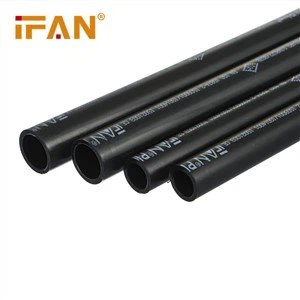
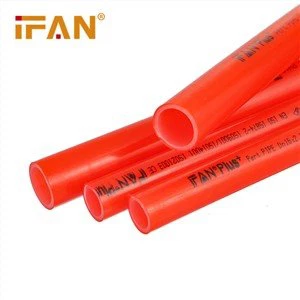
This PERT Tubing is a three-layer oxygen-barrier floor heating pipe, which is composed of an EVOH oxygen-permeable outer layer, an adhesive, and a PE-RT inner layer.
The PE-RT material used by PERT Tubing is a polyethylene (PE) resin in which the molecular structure is designed to introduce a sufficient number of connecting chains to allow operation at elevated or elevated temperatures (RT). The linking chain "connects" the crystal structure in the polymer together, thereby improving properties such as high temperature strength and performance, chemical resistance, and slow crack propagation resistance.
The EVOH oxygen barrier in PERT Tubing is made of ethanol vinyl alcohol to prevent oxygen diffusion. Oxygen diffusion is a very important factor in floor heating, because a large number of pipes are installed on the floor of each project, and the pipes must have a very low oxygen permeability, so that oxygen entering will not cause unnecessary damage and costs. Standard plastic pipes cannot meet the required level of oxygen permeability.

Product Size:
Size | M/Bag | Weight | CBM |
16×2.0 | 500 | 85 | 0.200 |
16×2.2 | 500 | 92 | 0.200 |
20×2.0 | 300 | 110 | 0.200 |
20×2.3 | 300 | 130 | 0.200 |
20×2.8 | 300 | 155 | 0.200 |
25×3.5 | 200 | 230 | 0.200 |
32×4.4 | 100 | 368 | 0.200 |

Product Features:
There are three ways of heat dissipation: conduction, convection and radiation. The choice of thermal comfort is affected by many factors including plane and vertical temperature distribution, wind speed and appropriate amount of radiant heat.
Heat conduction: The heat medium in the radiator exchanges heat in the radiator to transfer the heat to the inner wall of the radiator. The inner wall surface transfers heat to the outer wall by heat conduction. Steel is mainly radiation; copper-aluminum composite and aluminum alloy have both convection and radiation.

Radiant radiator: a radiator that uses radiation as the mainstay and uses convection as a supplementary method to dissipate heat to the heating room. High water temperature is required. The indoor heat distribution is uneven, and the radiator itself is hotter. Such as cast iron radiator, cylindrical steel radiator, etc.
Convection radiator: A radiator that heats the surrounding air entirely or mainly by means of convection heat transfer. The indoor heat distribution is uneven, the temperature rises faster, and the panel does not feel hot to the touch.