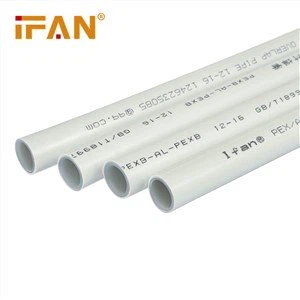


What is ISO 4437 PEX Gas Yellow Pipe?
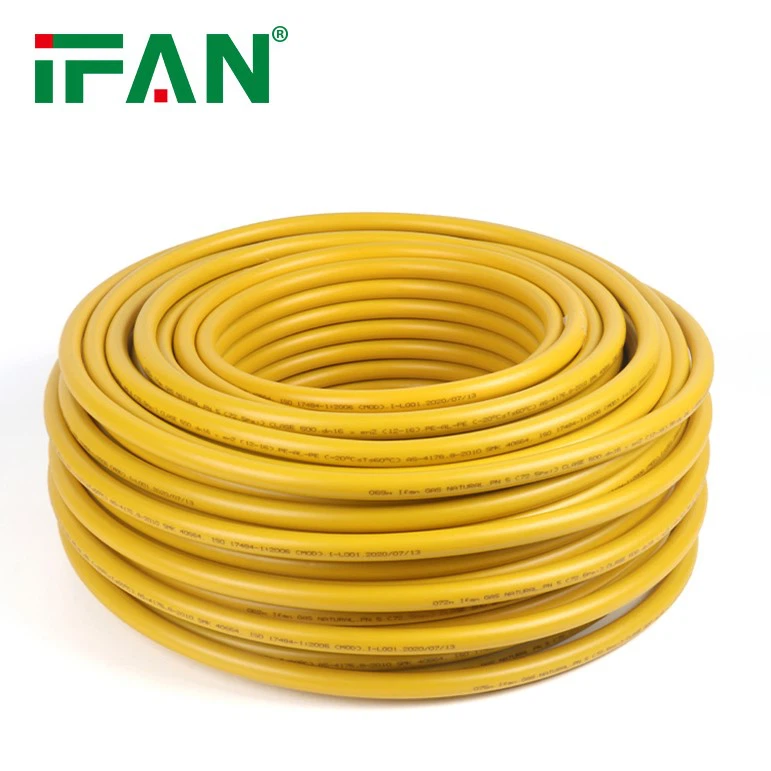
ISO 4437 PEX Gas Yellow Pipe is a specialized type of PEX tubing designed for the transportation of gas, including natural gas and propane. Unlike standard PEX piping used for water distribution, PEX Gas Yellow Pipe is specifically engineered to meet stringent gas industry standards, including gas permeability, pressure ratings, and UV resistance. The yellow color is used as a visual indicator to differentiate gas lines from water supply lines, enhancing safety during installation and maintenance.
This type of PEX pipe is commonly used in residential, commercial, and industrial gas installations due to its ease of installation, resistance to corrosion, and ability to handle varying temperatures and pressures. ISO 4437 PEX Gas Yellow Pipe can be used for both underground and above-ground gas lines, provided that it complies with the necessary local building codes and safety regulations.
Role of Socket Fittings in ISO 4437 PEX Gas Yellow Pipe Systems
Socket fittings are a fundamental part of any piping system, providing a reliable method of connecting two sections of pipe. In a PEX Gas Yellow Pipe system, socket fittings are used to securely join different lengths of PEX pipe and to adapt the piping system to other types of fittings or equipment. These fittings are designed to create a tight seal, ensuring the safety and integrity of the gas system.
Socket fittings work by inserting the PEX pipe into a fitting socket, which is then secured with a compression nut and ferrule or a crimping mechanism. The compression nut or crimp ensures a tight and leak-proof connection, preventing gas from escaping through the joints. This is crucial in gas systems, where even a small leak can lead to serious safety hazards.
Types of Socket Fittings Used in ISO 4437 PEX Gas Yellow Pipe Systems
Straight Couplings
Straight couplings are used to connect two straight sections of PEX Gas Yellow Pipe. These fittings feature a socket on both ends, allowing for a simple, seamless connection between the pipes. Straight couplings are commonly used in long runs of piping or when adding additional sections of pipe to an existing system.
Elbows
Elbow fittings are used when there is a need to change the direction of the PEX pipe. In gas systems, elbows are typically used to navigate around obstacles or to make turns in the piping system. Socket elbow fittings allow the PEX pipe to be inserted into the fitting and are then secured to ensure a tight connection at the joint.
Tees
Tee fittings are used to create branches in a PEX Gas Yellow Pipe system. These fittings allow for the splitting of the gas line into two directions. Socket tee fittings are inserted into the pipe sections, and the branches are connected at the appropriate points in the system.
Adapters
PEX to other materials, such as metal or PVC, often requires the use of adapter fittings. These adapters allow PEX Gas Yellow Pipe to be connected to other piping systems that use different materials. Socket adapters are commonly used to connect PEX pipe to gas meters, regulators, or other devices in the gas distribution system.
Caps and Plugs
Socket caps and plugs are used to close the end of a PEX Gas Yellow Pipe temporarily or permanently. Caps are often used during installation when a section of the pipe needs to be capped off for testing or when an unused line is to be sealed.
Regulations and Safety Considerations
When installing PEX Gas Yellow Pipe, it is essential to adhere to local building codes and safety regulations. Gas systems are subject to strict codes to prevent accidents and ensure the safety of the building occupants. Some key considerations include:
Local Building Codes: Always consult the local plumbing or gas codes before installing PEX Gas Yellow Pipe. These codes will outline the materials, installation techniques, and safety procedures required for gas piping systems.
Gas Pressure Ratings: Ensure that the PEX Gas Yellow Pipe and socket fittings you use are rated to handle the gas pressure of your system. PEX is designed to handle both low and high-pressure gas systems, but it is important to check the specifications to ensure compatibility.
UV Protection: PEX Gas Yellow Pipe is typically UV-resistant, but it is important to avoid exposing the pipe to direct sunlight for extended periods. Prolonged UV exposure can degrade the material, compromising the pipe's performance.
Leak Detection: It is essential to test the system for gas leaks after installation. Gas leaks can be dangerous, so always check for leaks using appropriate detection methods such as soap solution or electronic leak detectors.
Applications of PEX Gas Yellow Pipe and Socket Fittings
Residential Gas Systems
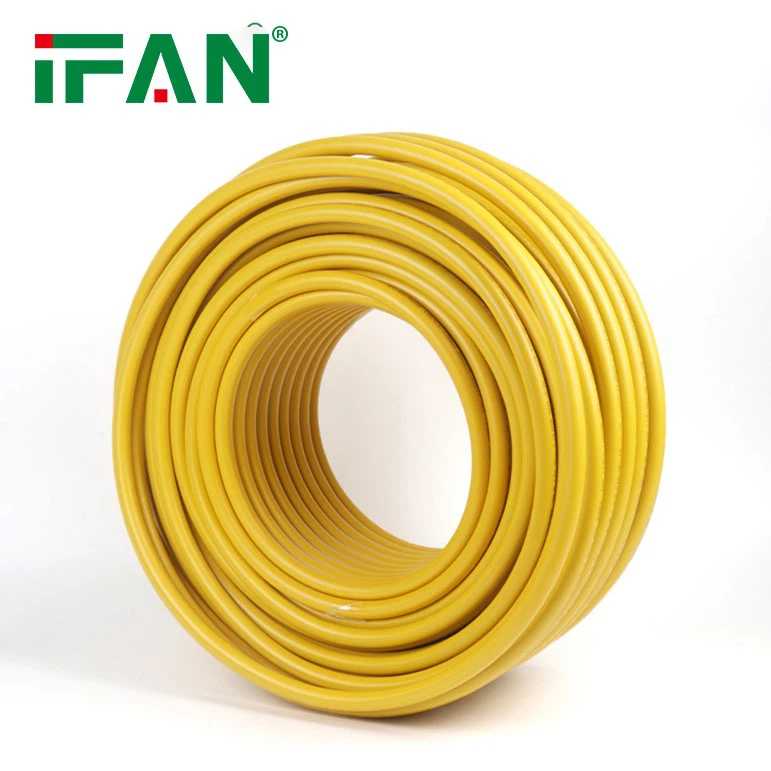
PEX Gas Yellow Pipe is commonly used for natural gas and propane installations in residential buildings. Socket fittings are essential for connecting different sections of the pipe and ensuring a secure, leak-proof system. PEX is often used in gas supply lines for stoves, water heaters, fireplaces, and other gas-powered appliances.
Commercial Gas Systems
In commercial applications, PEX Gas Yellow Pipe is used for the distribution of gas throughout the building. The flexibility of PEX, combined with socket fittings, allows for easy installation and modification of gas lines, making it ideal for commercial kitchens, laboratories, and manufacturing facilities.
Industrial Gas Systems
PEX Gas Yellow Pipe can also be used in industrial settings where large amounts of gas are transported for various processes. Socket fittings are used to join long runs of pipe, connect pipes to equipment, and create branching systems to direct the gas flow to different parts of the facility.
Conclusion
PEX Gas Yellow Pipe, combined with socket fittings, provides a reliable and flexible solution for gas piping systems. The socket fittings ensure secure and tight connections, preventing leaks and maintaining the safety of the gas distribution system. Whether used in residential, commercial, or industrial applications, PEX Gas Yellow Pipe and socket fittings offer a durable and efficient means of transporting gas. Proper installation, adherence to safety standards, and regular inspection are essential to ensuring the long-term performance of these systems.