

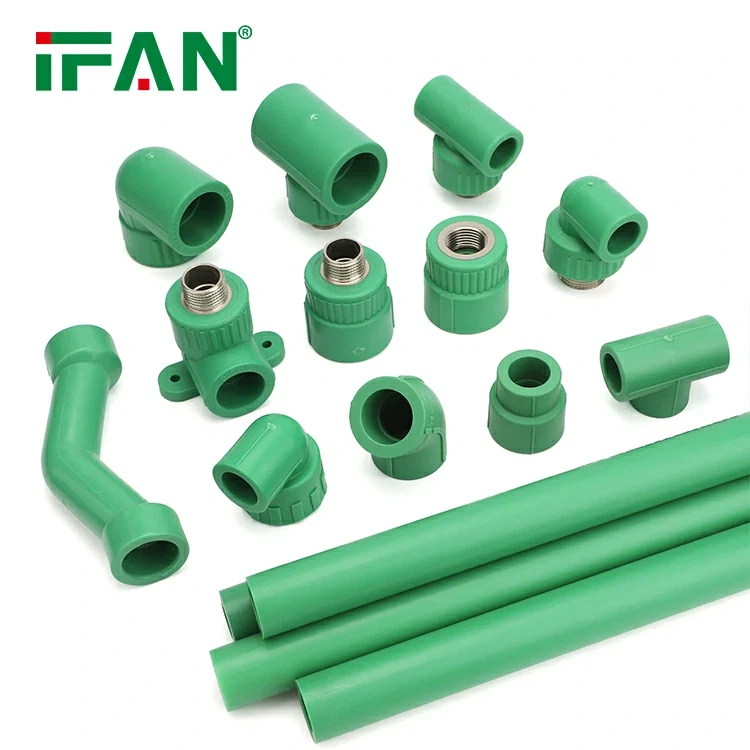

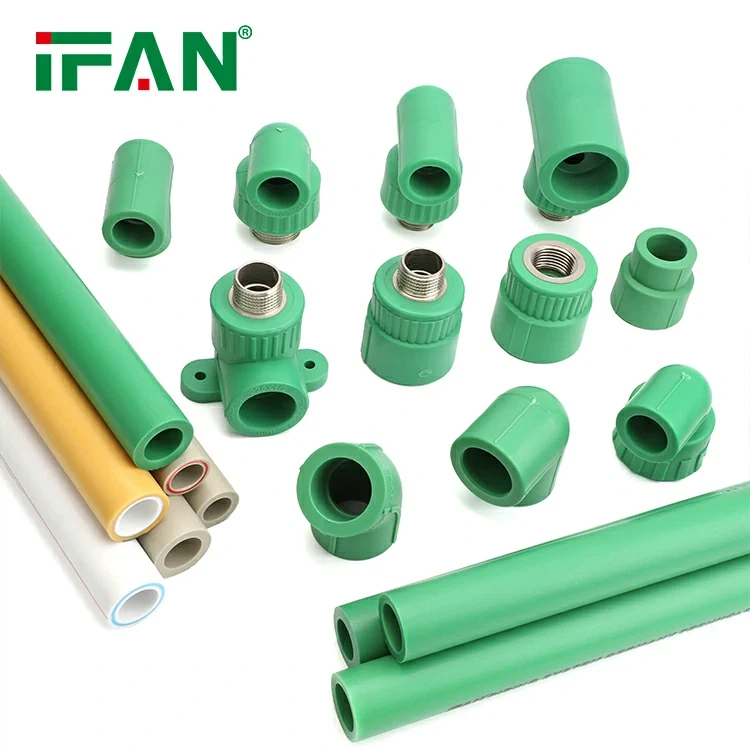


Biofilm Prevention and Control in PPR Pipe Fittings for Direct Drinking Water Systems
Introduction to Biofilm Challenges in Drinking Water Systems
Direct drinking water systems demand the highest standards of hygiene and safety.
Biofilm formation is a common concern in pipelines, posing risks to water quality and public health.
PPR (Polypropylene Random Copolymer) pipe fittings are widely used due to their chemical stability and corrosion resistance.
However, like most polymeric materials, PPR surfaces can become substrates for microbial attachment.
Understanding biofilm development and implementing control strategies is essential for long-term system safety.
Characteristics of Biofilms in Water Pipelines
Biofilms are structured microbial communities embedded in a self-produced polymeric matrix.
They adhere to internal surfaces of pipes and fittings, especially in low-flow or stagnant areas.
Biofilms harbor bacteria, fungi, and other microorganisms that can resist disinfectants.
Once established, they are difficult to remove and can lead to odor, discoloration, and contamination.
In direct drinking water systems, biofilm control is both a hygiene requirement and a regulatory necessity.
PPR Pipe Fittings: Benefits and Risks
PPR pipe fittings are popular due to their inertness, thermal stability, and long service life.
Their smooth internal surfaces reduce initial microbial adhesion compared to rougher materials.
However, over time, surface degradation or organic nutrient accumulation may promote biofilm growth.
The hydrophobic nature of PPR may also facilitate adhesion of certain bacteria.
Thus, while PPR is suitable for potable water, active measures are still needed to prevent biofilm formation.

Anti-Biofilm Surface Treatments
Recent research focuses on modifying PPR surfaces to prevent microbial attachment.
Plasma treatments, chemical grafting, and nano-coatings have shown potential in lab settings.
Silver-ion or zinc-based additives can be incorporated into PPR to provide antimicrobial properties.
These treatments inhibit microbial colonization without affecting water quality or structural performance.
Such enhancements are particularly valuable in sensitive applications like hospitals or food-grade systems.
Hydraulic Design to Reduce Biofilm Risk
System design plays a crucial role in biofilm prevention.
Dead zones, low-velocity areas, and long stagnation times must be avoided.
Using looped piping systems, minimizing dead ends, and ensuring regular flushing can reduce microbial growth.
Proper sizing of PPR fittings and consistent flow help maintain clean pipe interiors.
Designers should also include drain points and sampling ports for monitoring water quality.
Disinfection and Maintenance Strategies
Chemical disinfection is essential for controlling biofilm in operational systems.
Chlorine, chloramine, and ozone are commonly used in approved concentrations.
However, excessive disinfectants can damage PPR over time, reducing its service life.
Therefore, controlled dosing combined with periodic system flushing is recommended.
Maintenance protocols should include regular inspection, microbial sampling, and cleaning of critical areas.

Monitoring Technologies and Early Detection
Early detection of biofilm formation is key to effective management.
Advanced sensors can detect changes in flow resistance, turbidity, or biological activity.
Biofilm sensor patches and ATP (adenosine triphosphate) testing offer real-time or periodic data.
Water utilities and facility managers should use these tools to monitor microbial activity in PPR systems.
Timely intervention can prevent full biofilm maturation and restore hygienic conditions quickly.
Regulatory Guidelines and Future Trends
Health and safety standards worldwide increasingly recognize the importance of biofilm control.
NSF/ANSI 61 and WHO guidelines provide frameworks for materials and system hygiene.
Future trends include smart materials with self-cleaning properties and automated disinfection cycles.
Integrated system design combining material science, hydraulic engineering, and digital monitoring will drive improvements.
PPR fittings, with continued innovation, remain a strong candidate for clean drinking water systems.
Conclusion
Biofilm prevention in PPR pipe fittings is a multifaceted challenge involving material selection, system design, and active maintenance.
Although PPR offers many advantages for potable water, the risk of microbial colonization cannot be ignored.
By combining innovative surface treatments, optimized hydraulic layouts, and smart monitoring technologies,
it is possible to maintain safe, reliable, and hygienic drinking water delivery.
As demand for direct drinking water systems grows, PPR's role will continue to expand, supported by advances in biofilm control.
Contact IFAN
Phone: +86 15088288323
Email: sales24-ifan@ifangroup.com


