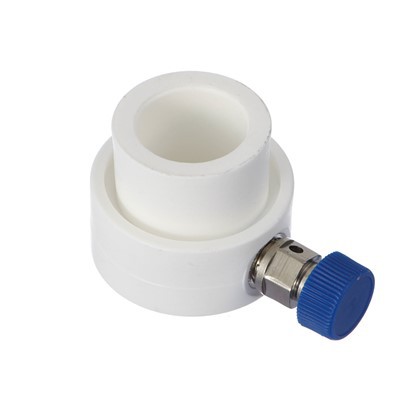


Product Information
Water expands when it freezes. This can burst any pipe. PPR is flexible but not immune. Ice pressure can crack fittings. Preventing freezing is crucial. It protects your plumbing investment.
Proper Insulation Materials
Use closed-cell foam insulation tubes. They are slit for easy installation. Ensure insulation is thick enough. For extreme cold, use fiberglass wrap. Always cover all exposed pipes. Include valves and fittings too.
Key Areas to Insulate
Focus on pipes in unheated spaces. This includes attics and basements. Also insulate pipes in exterior walls. Do not forget crawl spaces. Garages need protection too. Outdoor pipes are highest risk.
Installation Technique for Insulation
Measure and cut insulation carefully. It must fit snugly around pipes. Seal all seams with tape. Use cable ties for security. Cover every inch of the pipe. No gaps should be left.
Using Heating Cables
In very cold zones, add heat cables. Apply them directly to the pipe. Then cover with insulation. This provides active protection. Use thermostatically controlled models. They save energy when not needed.
Drainage for Seasonal Systems
Drain outdoor irrigation lines before winter. Shut off the water supply first. Open valves to let water out. Use compressed air to blow out lines. This prevents any residual water. Stagnant water can freeze.
Maintaining Heat in Cold Snaps
Let faucets drip slightly in extreme cold. Moving water freezes slower. Open cabinet doors under sinks. This allows warm air to circulate. Keep your home heated consistently. Avoid big temperature drops.
Inspection and Repair
Check insulation yearly for damage. Look for tears or moisture. Replace damaged sections immediately. Inspect pipes after a deep freeze. Look for bulges or cracks. Early detection prevents major leaks.