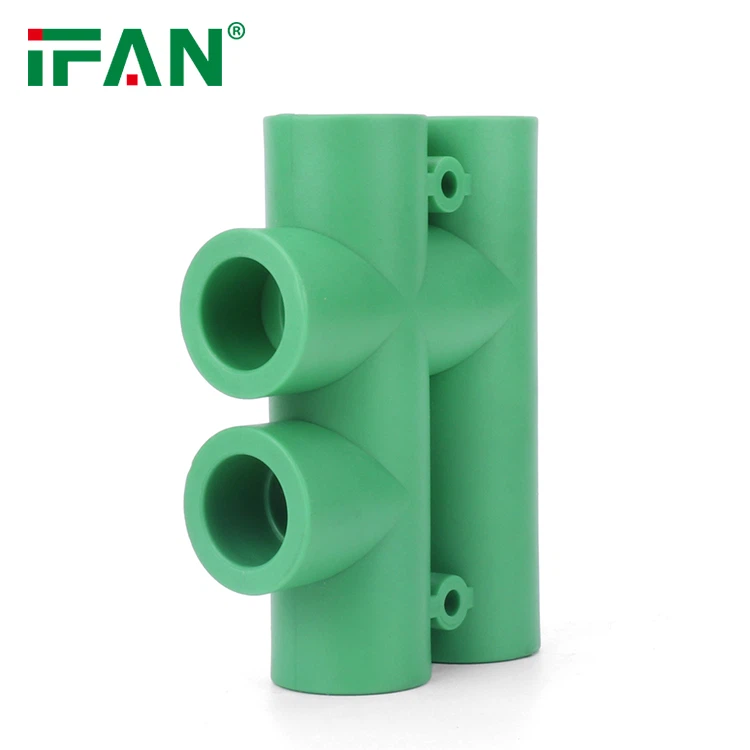


PPR Check Valve: Why You Should Use It
Standard:ISO 15874,EN 15874,ASTM F2389,DIN 8077/8078,GB/T 18742,NBR 15884
It is an essential component in plumbing systems designed to regulate the flow of liquids and gases. PPR (Polypropylene Random Copolymer) is known for its high resistance to heat and pressure, making it ideal for various industrial and residential applications. The primary function of a check valve is to allow flow in one direction while preventing backflow, ensuring efficient and safe operations in any plumbing system.
Why Use a PPR Valve?
Prevents Backflow: The main purpose of a check valve is to prevent the reverse flow of liquids or gases. This is crucial in maintaining the integrity of water supply systems, where backflow can lead to contamination.
Durability: They are highly resistant to wear and tear, making them a long-lasting solution for plumbing needs. The PPR material ensures the valve withstands high temperatures and pressures, reducing the need for frequent maintenance.
Corrosion Resistance: Unlike metal valves, PPR check valves are resistant to corrosion. This makes them particularly useful in environments with varying water quality or chemical exposure, ensuring the valve's longevity.
Contact IFAN
Phone:+86 15088288323 Email:sales24-ifan@ifangroup.com

Features and Applications of PPR Valve
Lightweight and Easy to Install: PPR check valves are lighter compared to traditional metal valves, which makes them easier to handle and install. This is especially beneficial for large plumbing projects that require numerous fittings.
Thermal and Chemical Resistance: PPR material is known for its excellent resistance to high temperatures and a wide range of chemicals. This makes it suitable for hot water systems, where other materials may deteriorate under extreme conditions.
Low Noise and Vibration: One of the lesser-known advantages of PPR check valves is their ability to reduce noise and vibration in the piping system. This makes them a preferred choice for residential buildings and commercial setups where quiet operation is essential.

Common Uses
PPR check valves are used in a variety of applications, particularly where maintaining a consistent flow direction is essential. Some common areas where these valves are utilized include:
Water Supply Systems: In residential and commercial buildings, PPR check valves ensure that potable water flows in the correct direction, preventing contamination due to backflow.
Irrigation Systems: In agricultural and landscaping applications, PPR check valves maintain water flow efficiency, ensuring that irrigation systems function smoothly without the risk of backflow.
Heating Systems: Due to their resistance to high temperatures, PPR check valves are commonly used in heating systems, where they help regulate the flow of hot water or steam.
Industrial Applications: PPR check valves are also used in various industrial systems where chemical resistance and durability are important factors. These valves are often found in chemical processing plants, HVAC systems, and wastewater treatment facilities.
Conclusion
In conclusion, a PPR check valve offers numerous advantages, from preventing backflow to ensuring long-term durability in both residential and industrial settings. Its lightweight design, corrosion resistance, and suitability for high-temperature environments make it a valuable addition to any plumbing system.
Contact IFAN
Phone:+86 15088288323 Email:sales24-ifan@ifangroup.com