
Low Day-to-Day Maintenance Profile
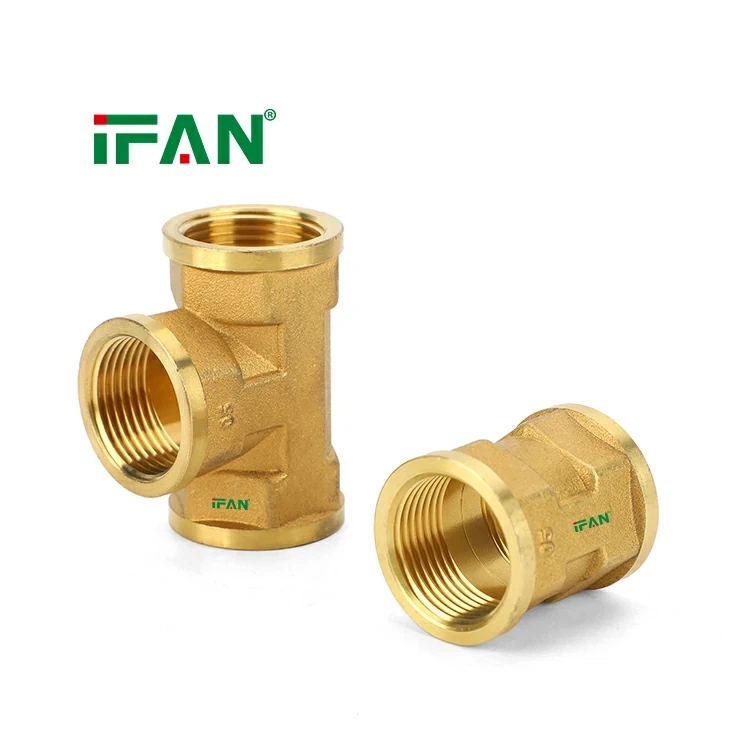
Brass pipe fittings have a very low daily maintenance requirement. The material naturally resists corrosion and does not need regular sealing or oiling. For most residential applications, they simply work quietly behind walls for years. However, "low maintenance" is not the same as "no maintenance." A proactive schedule prevents sudden failures.
The Primary Threat: Dezincification
Dezincification is the most common long-term risk for brass pipe fittings. This is a chemical process where zinc leaches out of the brass alloy. It leaves behind a weak, spongy copper structure. This corrosion is often invisible until a leak occurs. Aggressive water chemistry accelerates this significantly.
Schedule Routine Visual Inspections
You should conduct visual inspections at least every six months. Look for green or white powdery deposits on the fitting surface. Check for any signs of pitting, cracks, or discoloration. Pay close attention to fittings in hot water lines or humid areas. Early detection of corrosion prevents catastrophic pipe bursts.
Monitor Your Water Chemistry
The lifespan of brass pipe fittings depends heavily on water quality. Soft or acidic water increases the risk of dezincification. High chlorine levels also accelerate corrosion. You should test your water pH and hardness periodically. If the water is aggressive, install a whole-house treatment system or switch to DZR brass.
Check for "Pinkish" Discoloration
A specific warning sign is a pink or reddish hue on the brass. This indicates the zinc has leached away. Only the copper residue remains on the surface. This metal is much weaker than the original alloy. If you see this color, the fitting is failing internally. Plan for a replacement soon.
Gentle Cleaning Is Sufficient
Cleaning brass pipe fittings is straightforward. Use a soft cloth with mild soap and warm water. Avoid harsh abrasive cleaners or steel wool. These can scratch the protective oxide layer. For tough tarnish, use a specialized non-abrasive brass cleaner. Rinse thoroughly and dry completely after cleaning.
Avoid Petroleum-Based Lubricants
If you need to loosen a stuck fitting, use caution. Never use petroleum-based lubricants on threads that contact drinking water. These can contaminate the supply. Instead, use silicone-based or Teflon-based lubricants. For disassembly, penetrating oil is acceptable if you flush the line thoroughly afterward.
Apply Heat Carefully for Seized Fittings
If a brass fitting is seized by corrosion, heat is very effective. Use a heat gun or propane torch on the locknut only. Keep the flame moving constantly to avoid damage. After heating, use two wrenches to apply steady pressure. This expansion often breaks the corrosion seal.
Understand Press Fittings are Permanent
If your system uses brass press fittings, maintenance is different. These fittings are mechanically crimped onto the pipe. They are not reusable. The pressing process deforms the metal permanently. You cannot disassemble them for cleaning. If a press fitting fails, you must cut the pipe and replace the entire unit.

Replace Worn Seals and O-Rings
Many brass pipe fittings use rubber O-rings for sealing. Over time, heat and chemicals harden these seals. You should inspect seals during routine checks. If the seal looks cracked or feels stiff, replace it. Use only replacement seals compatible with potable water (EPDM is standard). Lubricate new seals with silicone grease.
Retighten Loose Connections Gently
Threaded connections can loosen slightly due to vibration. If you notice a small weep, try tightening the nut gently. Use two wrenches to prevent twisting the pipe. Do not overtighten, as this can crack the brass fitting. If the leak persists, disassemble, clean the threads, and apply fresh Teflon tape.
Keep Records for Long-Term Health
For critical systems, keep a maintenance log. Note the installation date of brass pipe fittings. Record any repairs, seal replacements, or water test results. Tracking this data helps predict when components will wear out. Proactive replacement is cheaper than emergency flood repair.
Summary of Preventative Care
Brass pipe fittings require minimal but specific care. Clean them gently with mild soap. Inspect them twice a year for corrosion or pink discoloration. Monitor your water chemistry to prevent internal decay. If you notice a leak, tighten gently or replace seals. Avoid mixing petroleum products with drinking water lines. By following this schedule, your brass fittings will reliably last for decades.