Yes, Within Defined Ratings
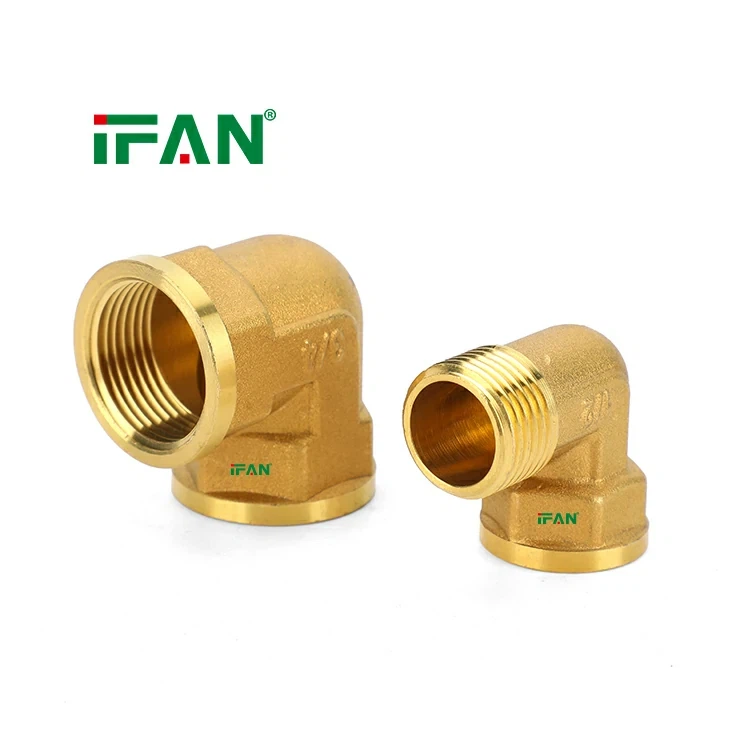
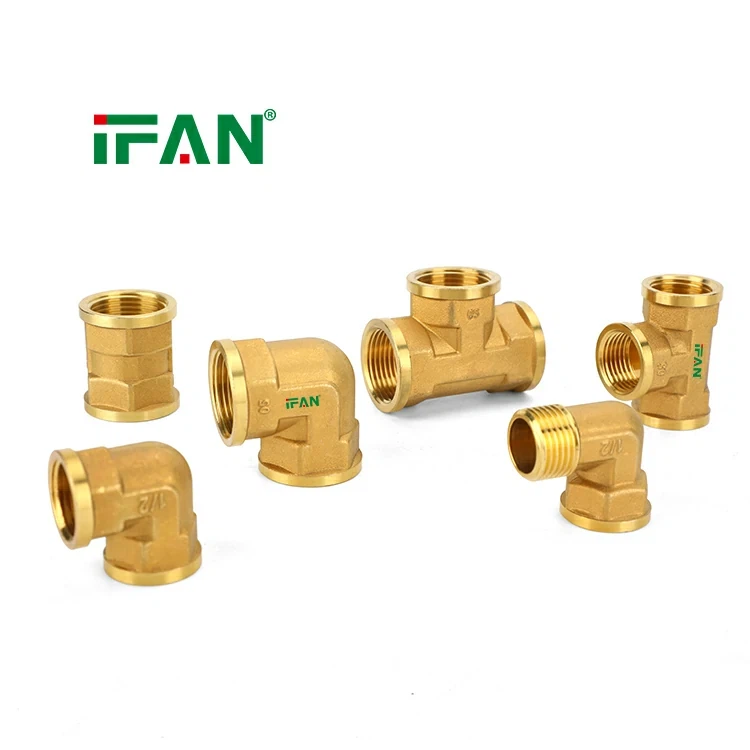
Brass pipe fittings are highly resistant to high pressure, but only within specific design limits. Different fitting types and standards have different capacities. You must match the fitting to the application's exact pressure requirements to ensure safety and reliability. Using the wrong fitting can lead to dangerous failures or costly system shutdowns.
The 1,000 PSI Industrial Standard
Many industrial brass fittings are rated for 1,000 PSI. A machined brass coupling with SAE J530/J531 certification, for example, has a working pressure of 1,000 PSI [1,000 PSI] . This means the fitting is safe under normal operation at that pressure, not that it will fail soon after. These fittings also have a burst pressure of 4,000 PSI . This provides a 4x safety margin for unexpected pressure surges.
Instrumentation Grade: Up to 4,100 PSI
For extreme-pressure applications, instrumentation-grade brass fittings are available. These are machined to exceptional tolerances with rolled threads for increased strength . A 1/4" brass tee connection has a working rating of 4,100 PSI . A 3/4" brass tee of the same type is rated at 3,400 PSI .
How Thread Type Affects Pressure
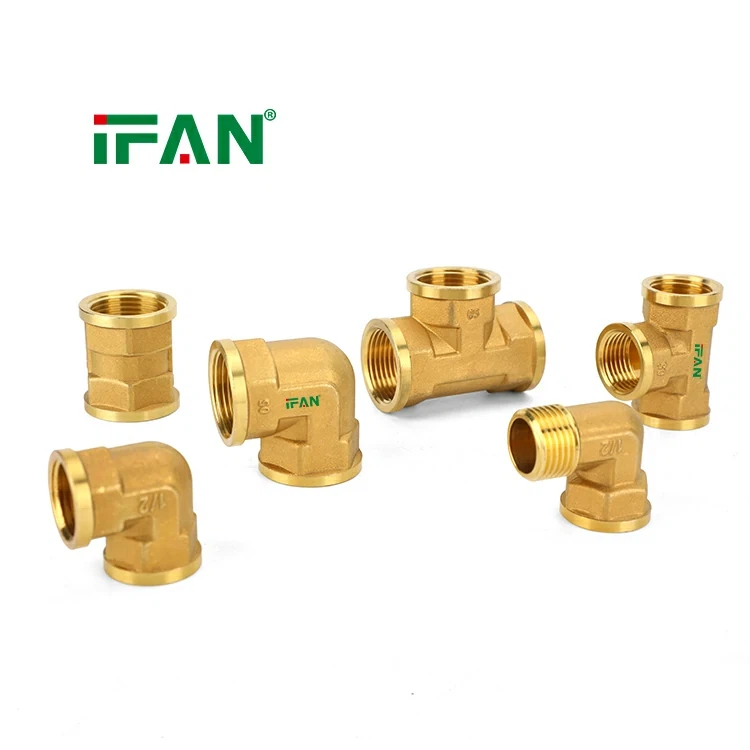
The thread design is critical for strength. NPT (National Pipe Thread) fittings are tapered. The threads themselves create the seal and provide mechanical strength. British Standard Pipe (BSP) threads are also common worldwide. When searching for brass pipe fittings, ensure the thread type matches your system. Using mismatched threads drastically reduces pressure capacity.
The 4,000 PSI Burst Barrier
The burst pressure is the point of physical destruction. A fitting rated for 1,000 PSI working pressure often has a 4,000 PSI burst rating . This 4:1 safety ratio is standard in industrial engineering. It accounts for water hammer, temperature spikes, and manufacturing variations. You should never intentionally approach the burst pressure.
ASME B31.3 Code and Brass Stress Values
Pressure ratings are governed by engineering codes. ASME B31.3 (Process Piping) is a key reference. This code calculates pressure rating using an allowable stress value of 10,000 psi for brass . For comparison, stainless steel is set at 20,000 psi. Brass is half as strong as stainless steel per the code.
Temperature Limits for High Pressure
High pressure combined with high heat is dangerous. The allowable stress of brass drops as temperature rises. Most industrial brass fittings are rated for -65°F to +250°F . If your pressure is high, keep the temperature below 150°F. At 250°F and 4,000 PSI, failure is likely.
The 125 and 250 Pound Pressure Class Legacy
Older specifications use a "pound" class system. For example, a 125-pound brass fitting is for saturated steam up to 125 PSI . It is also for liquid and gas service up to 200 PSI if the temperature stays below 150°F . A 250-pound fitting handles liquid and gas service up to 400 PSI . This legacy spec has been largely replaced by modern pressure classes but is still found on some existing industrial systems.
Compression Fittings Have Lower Pressure Limits
Not all brass connection types are equal. Brass compression fittings (using a ferrule and nut) have lower pressure limits. A 1/4" compression fitting is rated at 300 PSI . A 5/8" compression fitting drops to 150 PSI . A 3/4" compression fitting is only rated for 100 PSI at 73°F . This makes compression fittings unsuitable for most high-pressure hydraulic systems, a critical distinction for engineers who need to consider this when designing systems.
The Standard 600 PSI Estimate
Many general-purpose brass fittings are rated for 600 PSI or higher . This is a standard value for typical industrial air and water lines. This 600 PSI rating assumes moderate temperatures (usually 75°F). Always check the specific manufacturer datasheet.
High-Pressure Hydraulic Fittings (1,200 to 4,200 PSI)
For heavy hydraulic systems (pumps, rams, cylinders), higher ratings exist. A brass inverted flare fitting for brake lines is rated at 1,200 PSI . A forged brass cross fitting for industrial systems can be rated from 3,000 PSI up to 4,200 PSI . Forged brass fittings are generally 30% stronger than cast brass fittings .
The Tube vs. Fitting Factor
The fitting is only one part of the equation. The working pressure of the tubing is often the limiting factor in a high-pressure system . You cannot use a 4,000 PSI brass fitting with 200 PSI rated plastic tubing. The system will fail at the tubing. Always match the pressure rating of the pipe, tube, and fitting.
Summary: Application Guides the Rating
Brass pipe fittings are resistant to high pressure when correctly selected. Air and water systems: look for 600 PSI or 1,000 PSI ratings. Instrumentation and chemical lines: select 3,000+ PSI forged fittings. Hydraulic brakes and fuel: verify SAE ratings (1,200+ PSI). Compression fittings: low pressure only (under 300 PSI). When in doubt, choose a higher rating and reduce the temperature.