
Key Considerations for Press Fitting with PEX Pipe Systems
To maximize the effectiveness of press fitting in conjunction with PEX pipes, it's essential to understand and implement key considerations for successful installations.
Click here for product catalog and samples.
Material Compatibility
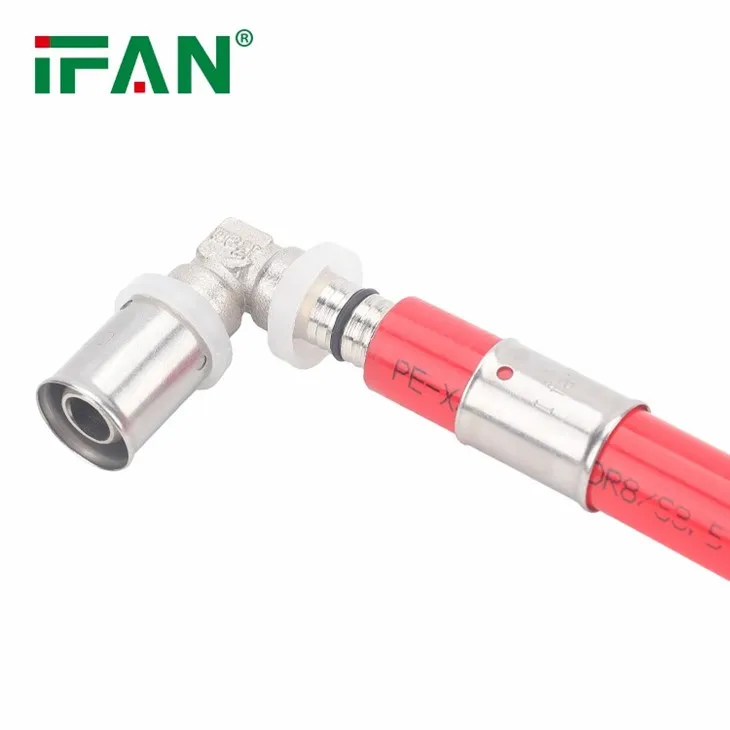
PEX Pipe Quality: Ensure the PEX pipes used are of high quality and suitable for press fitting, considering factors like thickness and material composition.
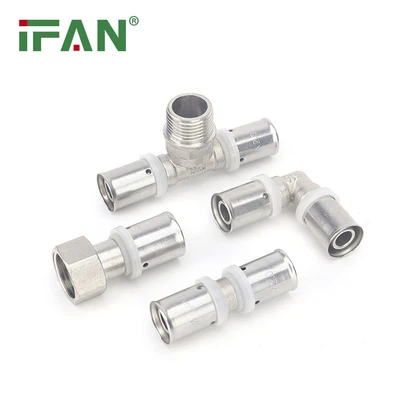
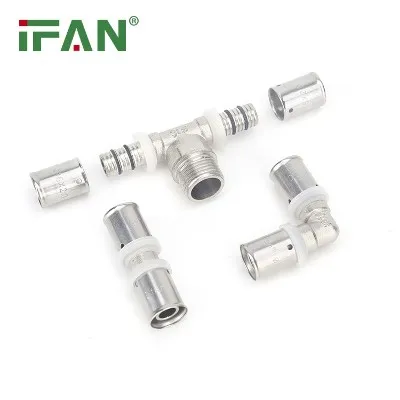
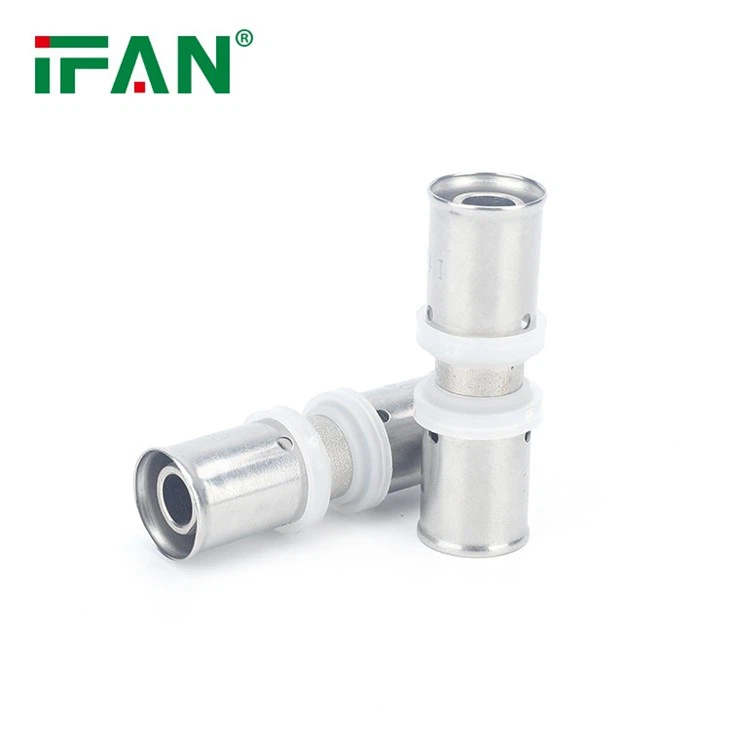
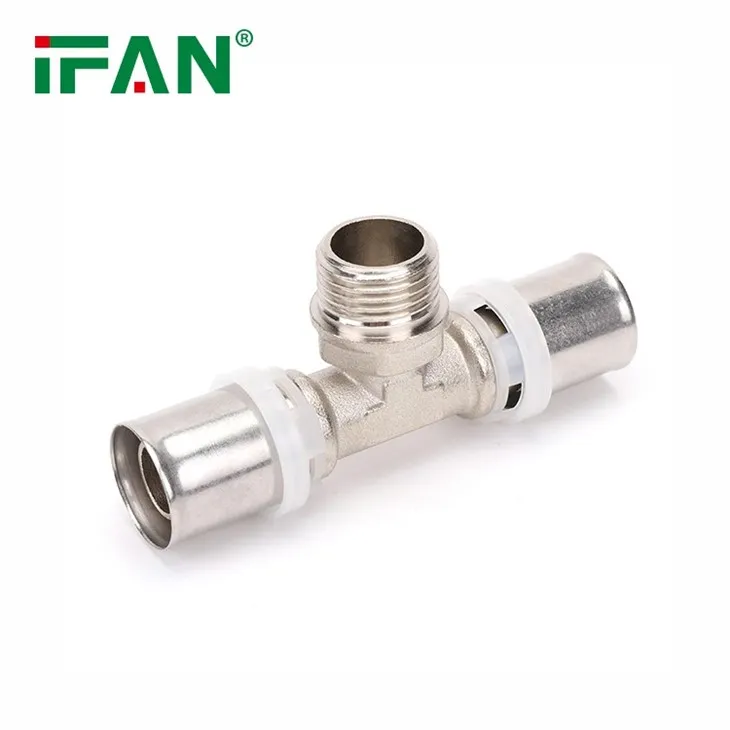
Fitting Material: Choose press fittings made from materials compatible with PEX, typically brass or copper, to prevent corrosion and ensure longevity.
Proper Installation Practices
Correct Tools and Technique: Utilize manufacturer-approved press tools and follow recommended techniques to ensure accurate and secure fittings.
Inspection and Testing: Regularly inspect and conduct pressure tests on press fittings to identify any issues early on, maintaining the reliability of the plumbing system.
| Size | PCS/BOX | CBM |
| L16 | 180 | 0.011 |
| L18 | 160 | 0.011 |
| L20 | 120 | 0.011 |
| L25 | 50 | 0.011 |
| L32 | 40 | 0.011 |
Cost-Effectiveness and Long-Term Savings
Initial Cost vs. Long-Term Savings: While press fittings may have a slightly higher upfront cost, consider the long-term savings due to reduced labor and maintenance expenses.
Comparative Analysis: Compare the overall costs and benefits of press fitting with PEX pipes against traditional methods, making informed decisions based on project requirements.
In conclusion, press fitting for PEX pipes presents a revolutionary approach to plumbing installations, offering speed, reliability, and safety. By understanding its advantages, applications, and key considerations, plumbing professionals can leverage this technology for efficient and durable results in various projects.
Click here to contact us for more product information.