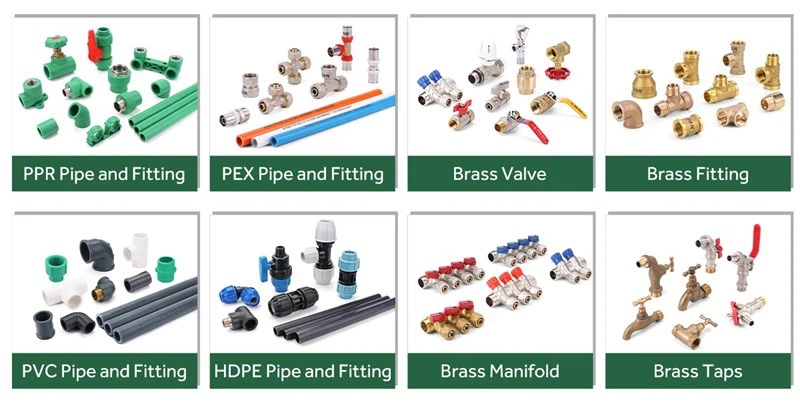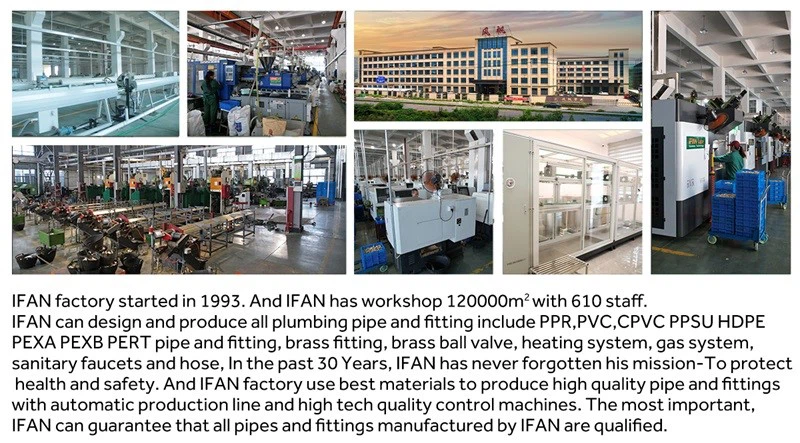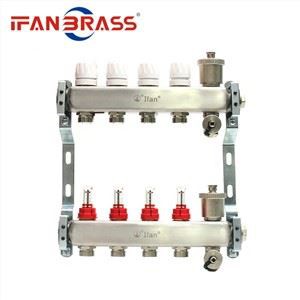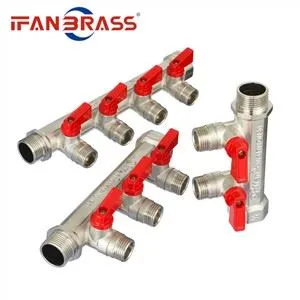


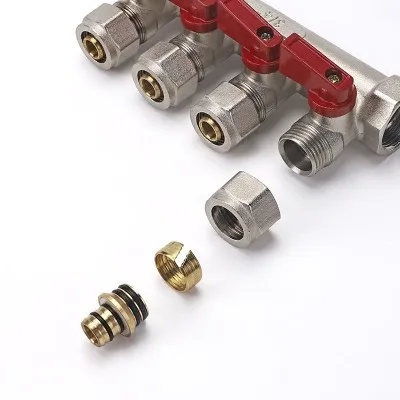
A manifold adapter is a specialized plumbing component used to connect a manifold (a central distribution point for water or other fluids) to pipes, valves, or other fixtures in a plumbing system. It acts as an interface between the manifold and the rest of the system, ensuring a secure and leak-proof connection. Manifold adapters are commonly used in PEX (cross-linked polyethylene), PPR (Polypropylene Random Copolymer), and other piping systems.
1. What Is a Manifold?
A manifold is a central hub that distributes water or other fluids to multiple outlets (e.g., faucets, showers, appliances) in a plumbing system. It simplifies plumbing layouts, improves efficiency, and allows for individual control of each outlet.
2. Purpose of a Manifold Adapter
Connection: Provides a secure connection between the manifold and the pipes or valves.
Compatibility: Ensures compatibility between different types of pipes (e.g., PEX, PPR, copper) and the manifold.
Leak Prevention: Creates a tight, leak-proof seal to maintain system integrity.
Flexibility: Allows for easy installation and modification of the plumbing system.
3. Types of Manifold Adapters
Threaded Adapters:
Feature male or female threads to connect the manifold to threaded pipes or valves.
Push-to-Connect Adapters:
Allow for quick and tool-free connections, commonly used with PEX pipes.
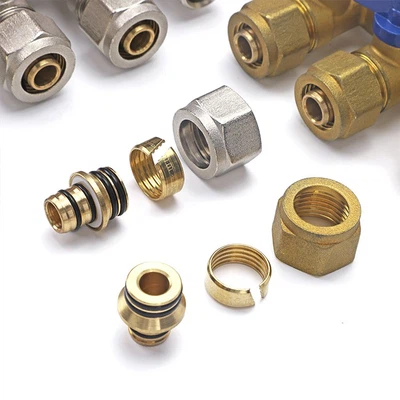
Compression Adapters:
Use compression fittings to create a secure connection without soldering or gluing.
Barbed Adapters:
Have barbed ends that grip the inside of flexible pipes (e.g., PEX) when secured with a clamp.
Fusion Adapters:
Designed for heat fusion welding, commonly used with PPR pipes.
4. Materials
Brass: Durable, corrosion-resistant, and suitable for high-pressure systems.
Stainless Steel: Offers excellent strength and resistance to corrosion and high temperatures.
Plastic (PPR, PVC, etc.): Lightweight, cost-effective, and resistant to chemicals and corrosion.
5. Applications of Manifold Adapters
Residential Plumbing: Used in water distribution systems for homes, connecting manifolds to PEX or PPR pipes.
Hydronic Heating Systems: Connects manifolds to pipes in radiant floor heating systems.
Industrial Systems: Used in fluid distribution systems for chemicals, gases, or other media.
Irrigation Systems: Connects manifolds to irrigation pipes for efficient water distribution.
6. Advantages of Manifold Adapters
Ease of Installation: Simplifies the process of connecting pipes to manifolds.
Versatility: Compatible with various pipe types and materials.
Leak-Proof Connections: Ensures a secure and reliable seal.
Space-Saving: Allows for compact and organized plumbing layouts.
Customization: Enables easy modification or expansion of the plumbing system.
7. Installation Tips
Choose the Right Adapter: Select an adapter that matches the manifold and pipe type (e.g., PEX, PPR, copper).
Follow Manufacturer Guidelines: Use the recommended tools and techniques for installation (e.g., crimping, clamping, or fusion welding).
Inspect for Leaks: After installation, test the system to ensure there are no leaks.
Use Sealant (if needed): For threaded adapters, apply thread sealant to prevent leaks.
8. Comparison with Other Adapters
| Feature | Manifold Adapter | Standard Pipe Adapter |
|---|---|---|
| Purpose | Connects manifold to pipes | Connects pipes or fittings |
| Compatibility | Designed for manifolds | General-purpose use |
| Installation | Often requires specific tools | May use standard plumbing tools |
| Applications | Manifold-based systems | General plumbing systems |
Conclusion
A manifold adapter is a crucial component in modern plumbing systems, enabling efficient and reliable connections between manifolds and pipes. Whether you're working on a residential, commercial, or industrial project, choosing the right manifold adapter ensures a secure, leak-proof, and organized system. Always select adapters that are compatible with your piping material and follow proper installation practices for optimal performance.
Contact IFAN
Phone:+86 15088288323
Email:Sales24-Ifan@Ifangroup.Com