

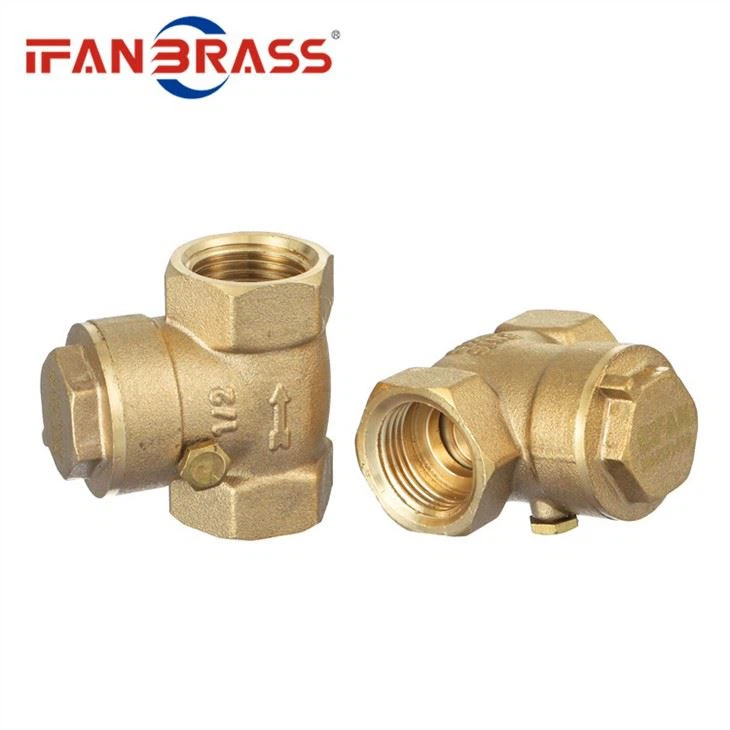

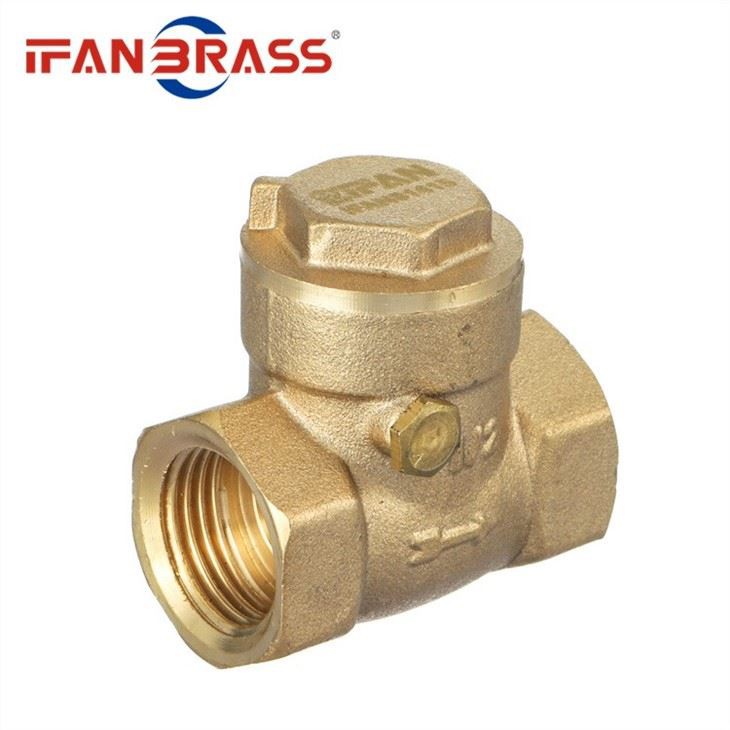
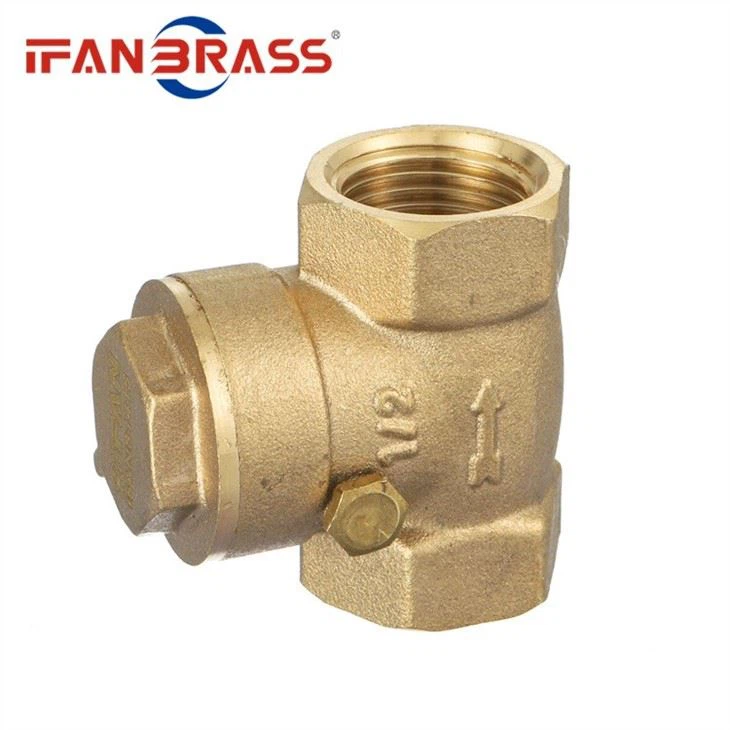
Product Size:
Size(mm) | pcs/Box | Weight(g) | CBM |
1/2" | 168 | 157 | 0.025 |
3/4" | 120 | 219 | 0.025 |
1" | 81 | 327 | 0.025 |
1-1/4" | 36 | 519 | 0.025 |
1-1/2" | 20 | 748 | 0.025 |
2" | 18 | 1086 | 0.025 |
2-1/2" | 12 | 1842 | 0.025 |
3" | 8 | 2544 | 0.025 |
4" | 6 | 4558 | 0.025 |
The Importance of Check Valves and Non-return Valves in Industrial Applications
Check valves and non-return valves are crucial components in many industrial systems that rely on the control and regulation of fluid flow. These valves serve different purposes and are used in various settings, from water treatment plants to oil and gas pipelines, from HVAC systems to manufacturing processes. Understanding the differences between check valves and non-return valves, and how they work, can help companies optimize their operations and avoid costly downtime or damage.
Check valves, also known as one-way valves or backflow preventers, allow fluid to flow in one direction only and prevent backflow or reverse flow. Check valves can be designed as ball check valves, disc check valves, diaphragm check valves, or swing check valves, depending on the specific application and performance requirements. Some check valves are manually operated, while others are automatic. Check valves are often used to protect pumps, compressors, and other equipment from damage caused by reverse flow, as well as to prevent contamination or mixing of fluids in different pipelines or tanks.
Non-return valves, also called spring check valves or foot valves, are similar to check valves but use a spring to hold the valve open when forward flow is desired and close when backward flow occurs. Non-return valves are commonly used in fluid suction lines, in which the pressure of the fluid opens the valve and allows the fluid to enter the system, but prevents the fluid from flowing back into the source or causing cavitation. Non-return valves can be made of various materials, such as bronze, stainless steel, PVC, or polypropylene, depending on the fluid being handled and the temperature, pressure, and chemical requirements.
Check valves and non-return valves can be used in combination to provide more reliable and flexible control of fluid flow. For example, a pump system may have a check valve installed at the discharge line to prevent reverse flow and a non-return valve at the suction line to maintain prime and prevent backspin. In some cases, a dual plate check valve, which has two spring-loaded plates that open and close together, may be used to provide tight shutoff and low pressure drop in both directions.
When selecting check valves and non-return valves, companies need to consider a range of factors, such as the flow rate, pressure drop, temperature range, material compatibility, maintenance requirements, and safety regulations. It is also important to ensure that the valves are properly installed, tested, and maintained to ensure optimal performance and prevent leaks, corrosion, or failure. Regular inspection and replacement of worn or damaged parts can help prolong the service life of the valves and reduce the risk of costly repairs or downtime.
In conclusion, check valves and non-return valves are essential components in many industrial systems that rely on the control and regulation of fluid flow. These valves provide critical functions such as preventing reverse flow, maintaining prime, and protecting equipment from damage or contamination. By understanding the differences and applications of check valves and non-return valves, companies can choose the right valves for their needs, optimize their operations, and improve their productivity and profitability.


