
ASTM F2389 PPR fittings are widely used in plumbing systems due to their durability and efficiency. However, improper installation can lead to various issues. Understanding common problems and their solutions helps ensure a reliable and long-lasting system.
1. Poor Pipe Cutting and Misalignment
Cutting ASTM F2389 PPR pipes improperly can result in uneven edges. This causes misalignment when joining ASTM F2389 PPR fittings. Poorly cut pipes do not fit securely, leading to weak connections.
To solve this problem, always use a sharp pipe cutter. Ensure the cut is clean and straight. After cutting, smooth the edges using a deburring tool. This allows the fittings to fit correctly and reduces the risk of leaks.
Proper alignment is essential before fusion welding. Misaligned connections weaken the joint and affect water flow. Always check alignment before welding to ensure a secure fit.
2. Incorrect Heating Time During Fusion Welding
Fusion welding is a crucial step in installing ASTM F2389 PPR fittings. Overheating or underheating the pipe and fitting can weaken the connection.
If the pipe is not heated enough, the fusion process is incomplete. This results in leaks and poor joint strength. Overheating can deform the pipe, causing blockages.
To avoid these problems, follow the recommended heating time for each pipe diameter. Use a temperature-controlled welding tool. Ensure the pipe and fitting are properly inserted into the heating tool for uniform heating.

3. Weak Joints Due to Improper Fusion Pressure
Applying too much or too little pressure during fusion welding can create weak joints. Insufficient pressure results in incomplete fusion, while excessive pressure can deform the fitting.
The best way to prevent this issue is to apply firm but even pressure when joining the heated pipe and fitting. Hold the connection steady for the recommended time until it cools and sets properly.
Always check for uniform fusion. A well-fused joint should have a smooth, even bead around the connection. Uneven or missing fusion beads indicate a weak joint.
4. Leaks Caused by Incorrect Pipe Insertion
If the pipe is not fully inserted into the PPR fitting, leaks can occur. Partial insertion results in weak connections that may fail under pressure.
To solve this, mark the correct insertion depth on the pipe before welding. Insert the pipe completely into the fitting until it reaches the marked point. This ensures a secure and leak-free joint.
Checking the insertion depth before fusion welding is essential. A properly inserted pipe will create a strong, long-lasting connection.
5. Cracks or Damage Due to Improper Handling
PPR pipes and fittings can be damaged if dropped or mishandled. Cracks or internal weaknesses may not be visible but can cause leaks later.
To prevent this, handle PPR fittings and pipes with care. Store them in a dry, clean area away from direct sunlight and sharp objects. Inspect pipes and fittings before installation to ensure they are in good condition.
Avoid using damaged or cracked fittings. Even small defects can compromise the integrity of the plumbing system.
6. Water Hammer and Pressure Surges
Water hammer occurs when water flow is suddenly stopped, creating pressure surges. This can damage PPR fittings and lead to leaks or system failure.
To reduce water hammer, install pressure-reducing valves in high-pressure areas. Use air chambers or water hammer arrestors to absorb sudden pressure changes.
Properly securing pipes also helps prevent excessive movement. Use pipe clamps and supports at regular intervals to keep the system stable.
7. Blockages Due to Debris or Poor Installation
Debris inside PPR fittings or pipes can restrict water flow. Blockages may result from dust, dirt, or leftover plastic from cutting.
To avoid this, always clean pipes before installation. Use a blower or clean cloth to remove dust and plastic shavings. Keep fittings covered until use to prevent contamination.
Incorrectly fused joints can also create blockages. If excess material is pushed into the pipe during welding, it reduces the internal diameter. Following proper welding techniques prevents this issue.
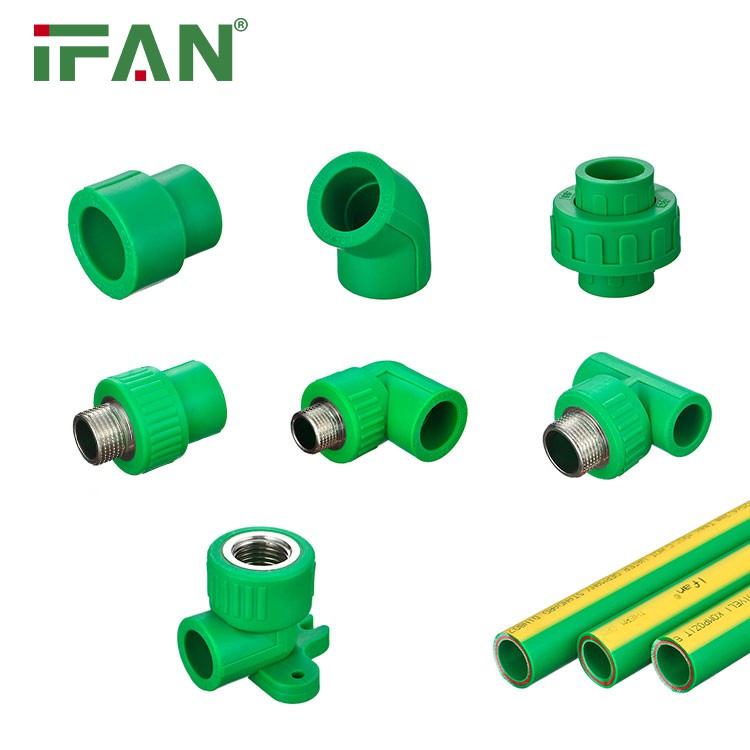
8. Incorrect Pipe Support and Expansion Issues
PPR pipes expand and contract with temperature changes. Without proper support, expansion can cause stress on PPR fittings.
To solve this, install expansion loops or flexible joints in long pipe sections. Use proper pipe clamps that allow movement while keeping the system stable.
Spacing supports correctly prevents pipe sagging and excess strain on fittings. Following manufacturer guidelines for pipe support spacing ensures a well-supported system.
9. Corrosion and Chemical Reactions
PPR fittings are resistant to most chemicals, but certain substances can cause damage. Using incompatible sealants or adhesives can weaken the fittings over time.
Always use approved sealants designed for PPR systems. Avoid exposing PPR pipes to harsh chemicals that may degrade the material.
Checking the compatibility of PPR fittings with other plumbing materials prevents unwanted reactions. Proper material selection extends the lifespan of the system.
10. Conclusion
Installing PPR fittings correctly is essential for a reliable plumbing system. Understanding common problems and their solutions helps prevent failures and ensures durability.
By following proper cutting, welding, and alignment techniques, most issues can be avoided. Regular inspection and maintenance further improve system performance.
A well-installed PPR pipe system provides long-term efficiency and leak-free operation. Proper training and adherence to best practices are key to successful installation.