
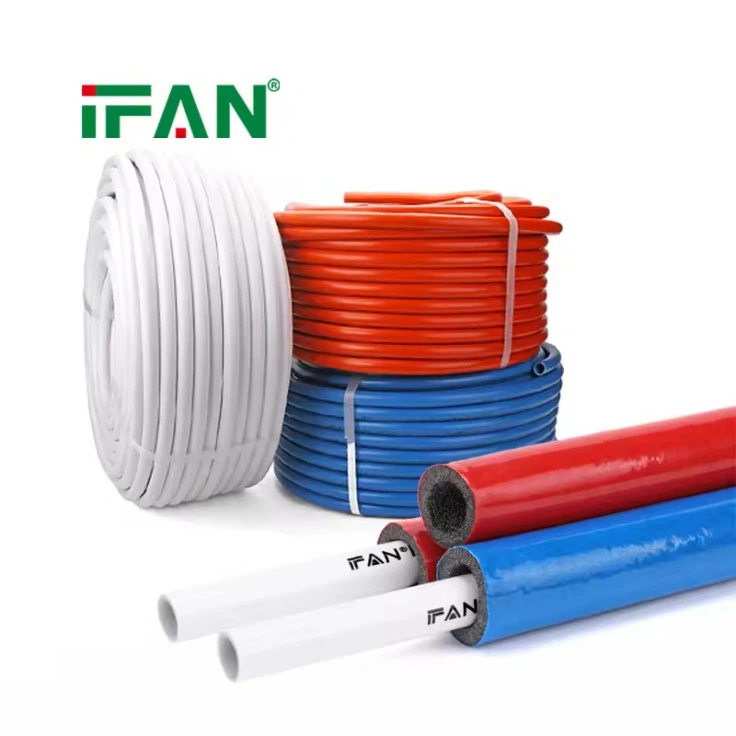
Fitting Selection Considerations
Use same fittings for both applications. Brass fittings work universally. Plastic fittings also work. Ensure temperature ratings match. Some cheap fittings may fail. Choose quality components.
Flow Rate Considerations
Hot water has different viscosity. Flow characteristics change slightly. Size pipes appropriately. Consider longer hot water runs. Balance the system carefully. Achieve consistent performance.
Installation Best Practices
Keep hot and cold lines separated. Maintain minimum distance between them. This prevents heat transfer. Use separate hangers if needed. Label lines during installation. Follow code requirements.
Mixing Valve Applications
Mixing valves blend hot and cold water. Use appropriate valve types. Install accessible shutoff valves. Support valves properly. Test temperature settings. Adjust for safety.
Temperature Limiting Factors
PEX has maximum temperature limits. Standard limit is 200°F. Do not exceed this temperature. Higher temperatures degrade PEX. This reduces lifespan significantly. Monitor water heater settings.
Energy Efficiency Aspects
PEX insulates better than metal. Hot water stays hotter longer. This reduces energy consumption. Cold water stays cooler too. Calculate potential savings. It's environmentally friendly.
Repair and Modification Ease
Both systems repair easily. Use same techniques for both. Color coding helps identification. Keep spare tubing in both colors. Document your system layout. Make future work easier.