
General Suitability Depends on the Environment
Brass pipe fittings can be used outdoors and underground, but they are not universally suited for all conditions. Their performance depends heavily on the specific environment. Brass is an alloy of copper and zinc, and certain chemical conditions can cause it to corrode. In aggressive soils, such as those with high chloride or moisture content, brass is vulnerable to corrosion .
Outdoor Exposure and Climate Factors
Outdoor use exposes fittings to rain, temperature swings, and UV radiation. Brass has good natural resistance to weathering but is not immune. A product specification notes that outdoor exposure can reduce the lifespan of brass components by 30-40% compared to indoor installations . Freezing temperatures and UV radiation do not chemically degrade brass like they do plastic, but physical stress from ice expansion remains a risk.
Underground Soil Chemistry is the Main Challenge
Brass pipe fittings buried in soil face a harsher environment than those exposed to air. Soil contains moisture, oxygen, and various dissolved salts. A scientific study found that the corrosion rate of brass in sandy soil increases as moisture content rises up to a critical limit of 30%, after which the rate decreases . This means that "moist but not saturated" soil is often the most corrosive condition.
The Risk of Chlorides and Aggressive Soils
Chloride ions are particularly aggressive to brass. The same study investigated soil with added chlorides and confirmed this accelerates corrosion . Therefore, brass pipe fittings installed in coastal areas with salt spray or in soil contaminated with road salts or fertilizers are at higher risk. In such aggressive conditions, you must take extra protective measures.
The Critical Solution: Protective Wrapping for Burial
The standard industry practice for burying brass fittings is to wrap them. Leading manufacturers specify that their push-to-connect brass pipe fittings are only approved for underground use when wrapped with a quality silicone tape . This tape provides an impervious barrier between the brass fitting and any corrosive soil contaminants, which protects the metal and maintains product warranties.
Proper Silicone Tape Application Method
To properly protect the fitting, use a self-fusing silicone tape with a minimum thickness of 0.020 inches . Pull the tape tight and stretch it as you wrap, ensuring it bonds to itself. Start at least one inch onto the pipe, continue over the entire fitting body, and end one inch onto the pipe on the other side . The tape fully cements within a few hours, creating a permanent, protective seal against the soil environment.
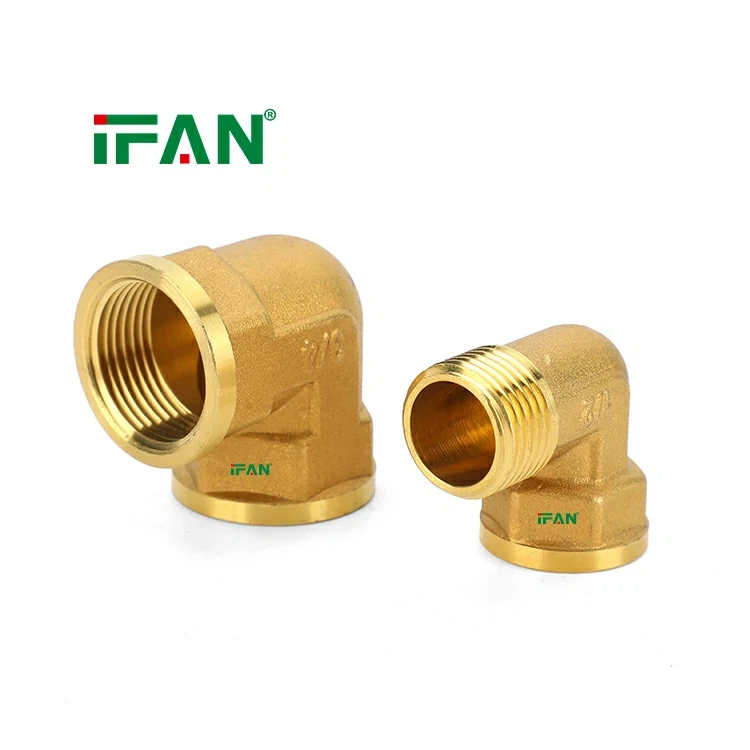
Backfilling with Clean Sand is Essential
The material you backfill with is just as important as the wrapping. Sharp rocks, stones, or debris can puncture the silicone tape or cause direct physical damage to the brass fitting through abrasion or impact . Best practice is to bed the wrapped fitting in clean, compacted sand before backfilling with the native soil.
All-Brass vs. Multi-Material Fittings
If your brass pipe fittings include other materials, you must protect them accordingly. One manufacturer notes that even their polymer-bodied fittings must be wrapped if they contain any brass components . The vulnerability is to the metal parts. A fitting with a brass internal ring needs the same protection as an all-brass body.
Indoor vs. Outdoor Above-Ground Use
For above-ground outdoor use, protective wrapping is generally not required, as the primary risk is from direct contact with soil. However, you should still be aware of the environment. Coastal salt air can accelerate surface corrosion. In such areas, choosing brass fittings with a nickel or chrome plating or applying a protective coating can extend their service life .
The Role of Alloy Composition
Not all brass is the same. The specific alloy composition significantly affects corrosion resistance. Scientific research shows that the presence of elements like arsenic, nickel, and iron influences the corrosion rate . For critical outdoor or underground applications, you should specify dezincification-resistant (DZR) brass, which is formulated to be much more resilient to aggressive water and soil conditions.
Pressure and Temperature Ratings Remain Valid
The physical strength of brass pipe fittings is not diminished by proper underground installation. A typical brass fitting for outdoor use can handle a wide temperature range, generally from -20°C up to 120°C, and maintain a high working pressure, often up to 1450 PSI, depending on the specific product . These ratings ensure the system functions correctly even when buried.
Your Action Checklist for Reliable Installation
To ensure a long-lasting installation, follow this industry-standard protocol. For underground burial: 1) Use DZR brass fittings or high-quality brass with proven corrosion resistance. 2) After making the connection, wrap the entire fitting and 1 inch of pipe on each side with self-fusing silicone tape, stretching it tight. 3) Bed the wrapped fitting in clean sand before backfilling. For above-ground outdoor use: 1) Select a corrosion-resistant brass alloy or plated fitting. 2) In coastal or industrial areas, consider applying an additional protective coating. 3) Perform periodic visual inspections for any signs of pitting or corrosion. When you select the right materials and follow these installation practices, brass pipe fittings provide durable and reliable service in both outdoor and underground applications for decades.