
Assess the Severity of the Corrosion First
Before attempting any removal, inspect the fitting closely. Look for green or white deposits, pitting, or cracks. Surface discoloration is common and treatable. Deep pitting or structural weakness indicates severe corrosion . If the fitting is crumbling, stop and plan for replacement.
Step 1: Apply Penetrating Oil Generously
Start with a high-quality penetrating oil like WD-40, Liquid Wrench, or PB Blaster . Spray or apply it generously to the corroated threads and the joint area . The oil works by seeping into the tight spaces between the threads . It breaks down the corrosion and lubricates the seized metal.
Allow Adequate Soaking Time
Do not rush this step. Let the penetrating oil sit for at least 15-30 minutes . For heavily corroded fittings, apply oil multiple times over several hours or overnight . You can gently tap the fitting with a hammer after applying the oil. The vibrations help the oil penetrate deeper into the threads .
Step 2: Apply Gentle Heat to the Fitting
If oil alone does not work, use a propane torch or heat gun . Heat causes the brass to expand slightly, breaking the corrosion bond . Move the torch evenly around the fitting to avoid warping the metal . Focus heat on the fitting body, not the pipe. Keep a fire extinguisher nearby and wear heat-resistant gloves .
Often the expansion and oil must work together. After heating, try loosening the fitting while it is still warm. If it does not move, reapply penetrating oil and heat again . For severely stuck brass pipe fittings, repeating this cycle several times improves success.
Use a Backup Wrench to Protect the Pipe
When you apply torque, always use two wrenches . One wrench turns the fitting itself. The second wrench holds the pipe or the mating fitting steady. This prevents the pipe from twisting or breaking . A pipe wrench or an adjustable wrench works well for this support role.
Choose the Correct Tool for the Nut
Select a wrench that fits the fitting flats snugly. A wrench that is too loose will slip and round the corners. An adjustable wrench is versatile, but a properly sized open-end wrench is better . Vice grips can secure fittings that are already rounded. Apply slow, steady pressure. Do not jerk the tool .
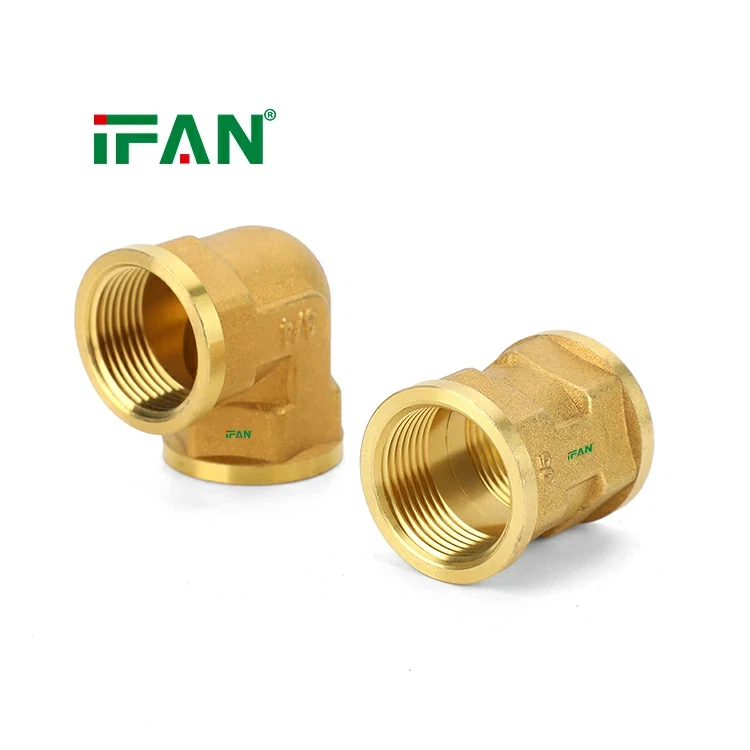
For Stuck Compression Fittings Specifically
Compression fittings require special care. The internal ferrule (brass ring) often bonds to the pipe . First, loosen the compression nut counter-clockwise . If the nut is stuck, apply penetrating oil and heat to the nut only. Once the nut is off, the fitting body may still be seized. Use a specialized puller tool if tapping fails.
Cutting the Fitting as a Last Resort
If the fitting remains frozen, you must cut it off . Use a hacksaw or a rotary tool (Dremel) with a metal cutting disc . Cut carefully along the length of the fitting body. Cut at two opposite points if possible. Do not cut into the threads of the underlying pipe . Stop cutting when you see the pipe surface.
Splitting and Peeling the Brass Shell
After scoring deep grooves with the saw, insert a cold chisel into the cut . Tap the chisel gently to split the fitting open. The brittle brass will usually crack. Use needle-nose pliers to peel the shell away from the threads . Work slowly to avoid gouging the pipe.
Cleaning the Pipe Threads After Removal
Once the old fitting is gone, clean the pipe thoroughly. Use a wire brush to remove corrosion and old sealant . For copper pipes, use emery cloth or sandpaper to smooth the surface . Inspect the threads closely. If they are damaged, you may need to rethread them. Apply fresh thread sealant (Teflon tape or pipe dope) before installing the new brass pipe fitting.
Severe Damage: Cut and Replace the Pipe
Sometimes the old fitting cannot be removed without ruining the pipe. If the pipe threads are stripped or the pipe is cracked, cut the pipe at that section . Splice in a new clean section using a coupling or union. This is often faster than trying to salvage a damaged threaded end.
Preventing Future Corrosion
After installing the new fitting, protect it. For buried or outdoor exposed brass pipe fittings, wrap threads with Teflon tape plus pipe dope. Use dielectric unions when connecting dissimilar metals. If you removed a heavily corroded fitting, test your water chemistry. This prevents the same failure from happening again .