
General Suitability for Gas Service
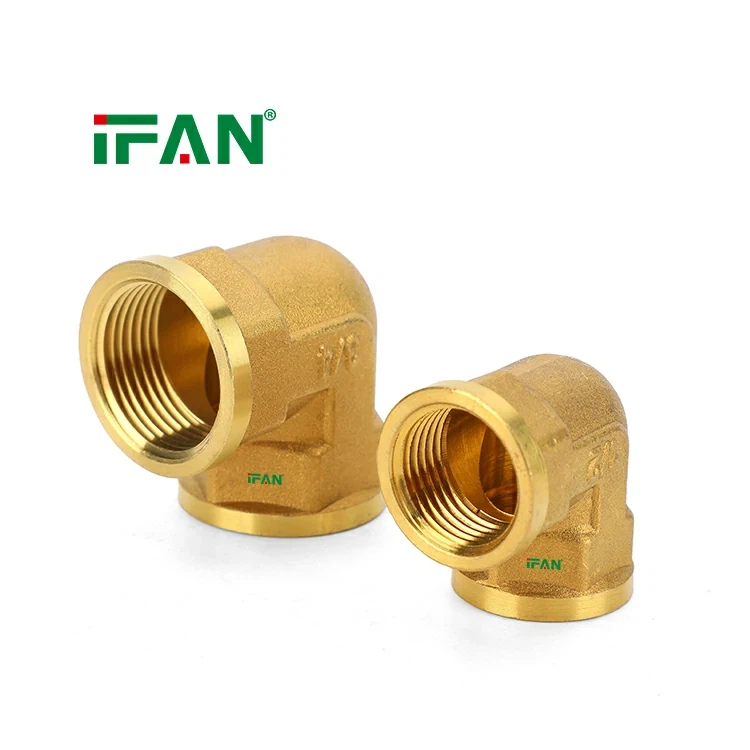
Yes, brass pipe fittings can be used for gas lines and fuel systems. However, they must be specifically designed and certified for that purpose. Using a standard water fitting on a gas line is dangerous and violates plumbing codes. You must select products listed for natural gas, LP gas, or propane .
Non-Sparking Safety Advantage
A key reason brass is suitable for gas is that it is non-sparking. In flammable environments, a spark from a steel tool or fitting could be catastrophic. Brass pipe fittings do not create sparks upon impact, making them a preferred material for gas handling systems . This property is critical for safety around natural gas or propane.
Flare Fittings as the Standard Connection
The most common gas-rated brass fitting is the flare type. These fittings use a 45-degree flared connection rather than compression rings. They are designed for use with copper, brass, aluminum, or steel tubing . A typical application is connecting a gas appliance to the supply line in residential settings.
Certified Gas Couplings for PEX Systems
There are specific brass couplings manufactured exclusively for fuel gas. For example, the PEXALGAS™ line includes brass couplings certified for natural gas and propane in residential applications . These meet ASTM F1281 standards and comply with the International Fuel Gas Code, International Residential Code, and Uniform Plumbing Code.
Temperature and Pressure Ratings
Gas-rated brass pipe fittings have specified operating ranges. A typical coupling for residential gas is rated for temperatures from -40°C to 60°C (-40°F to 140°F) . The maximum pressure is often around 72.5 psi, which is well above the low pressure of natural gas systems (typically under 0.5 psi).
Role of Threaded Brass Plugs
Brass socket pipe plugs are commonly used to seal unused ports in gas systems. Their corrosion resistance and non-sparking nature make them ideal for this role . They help maintain pressure integrity and prevent contaminants from entering the system. This is standard practice on gas manifolds and industrial equipment.
Applicable Standards and Certifications
Quality brass pipe fittings for gas meet established standards. These include ANSI Z21.24, CSA 6.10, ASME, and SAE specifications . These certifications confirm the fitting has passed rigorous safety testing for gas service. Look for these marks on the product or packaging before installation.
Brazed Joints for Inaccessible Locations
While mechanical joints are common, building codes restrict them in certain areas. In inaccessible locations where a leak could go undetected, brazed joints using silver-brazing alloy (minimum 800°F filler metal) are required . This applies to seamless brass tubing systems. Brazed connections provide a permanent, leak-proof seal.
Local Code Compliance Requirements
State and local codes specifically address brass gas piping. For example, Washington Administrative Code permits brass piping from fuel containers to regulators . California regulations allow threaded, flanged, or brazed joints in brass gas pipe, stating: "Joints in brass or copper pipe shall be welded, brazed, threaded, or flanged" .
Prohibition of Compression Fittings
Not all brass fitting types are allowed for gas. Compression fittings (which use a ferrule compressed by a nut) are generally not permitted for gas piping unless specifically approved by the local authority . The industry standard for gas lines is the flare fitting or brazed joint, not compression.
Adapters for Mixed Systems
You will often need adapters to connect brass to other materials. Connections to steel pipe are made with an NPS threaded-to-flared copper adapter . These transition fittings allow safe integration between brass, copper, and steel components in a gas system while maintaining code compliance.
Summary of Requirements
Brass pipe fittings are suitable for gas lines when you follow the rules. Use only certified, gas-rated products. Choose flare or brazed connections over unapproved compression types. Apply appropriate thread sealant or achieve a proper brazed joint. Always check local building codes. When you select and install them correctly, brass fittings provide a durable, corrosion-resistant connection for natural gas, LP gas, and fuel systems.