
What is Dezincification?
Dezincification is a specific form of corrosion. It affects brass, which is an alloy of copper and zinc. The process selectively removes the zinc from the metal. This leaves behind a weak, porous, spongy mass of copper . The material loses its strength and can fail.
The Electrochemical Mechanism Explained
From a scientific view, it is a dealloying corrosion mechanism. It is a form of galvanic corrosion between the zinc and copper within the brass. The zinc, being more reactive, is preferentially dissolved . What remains is a brittle, copper-rich structure often with a pinkish hue .
The High-Zinc Risk Threshold
The zinc content is a major factor. A standard brass fitting often has a zinc content of roughly 30-40%. Scientific analysis shows that the risk of dezincification starts at 15% zinc. It becomes very severe when the zinc content reaches 35% or higher . Standard "yellow brass" falls into this high-risk category.
Plug Type vs. Layer Type
There are two main types of this corrosion . "Plug type" creates deep, localized "spongy" areas. It penetrates quickly and happens in neutral or alkaline water with high salt content and high temperatures. "Layer type" spreads a thin, porous layer across the surface. This is common in slightly acidic water with high chloride levels.
The "Copper Sponge" Failure
The result of this process is devastating. The fitting transitions from a solid piece of metal to a "weak and spongy copper material". It can no longer withstand water pressure . A forensic report described it as zinc "completely leached... leaving a porous matrix through the entire wall thickness". This is a common cause of sudden leaks.
Chemical Accelerators: Chlorine and Chloramines
Chemicals in municipal water accelerate the reaction. Chlorine is a known facilitator of chlorine and chloramines. It significantly speeds up the rate at which zinc leaches out of the alloy . Areas with heavily treated water are corrosion-risk zones for standard brass.
The Temperature Factor
Heat is a major catalyst. The dezincification process is greatly facilitated by higher temperatures . The higher the water temperature, the faster the zinc leaches out. This is why standard brass pipe fittings in hot water lines fail much faster than those on cold water lines.
Environmental Risk Factors
Specific conditions worsen the attack. These include stagnant or low-flow water, poor aeration, and slightly acidic or alkaline pH levels . Permeable deposits or scale on the fitting surface traps corrosives against the metal. This accelerates the damage significantly.
Detection: The Pink Hue and Cracks
Early detection is difficult but possible. Visually, look for a reddish or pink discoloration on the surface. This indicates exposed copper after the zinc has been leached away . A loss of luster or surface cracks are also warning signs. However, internal damage can be severe without visible external change.
The Prevention Standard: DZR Brass
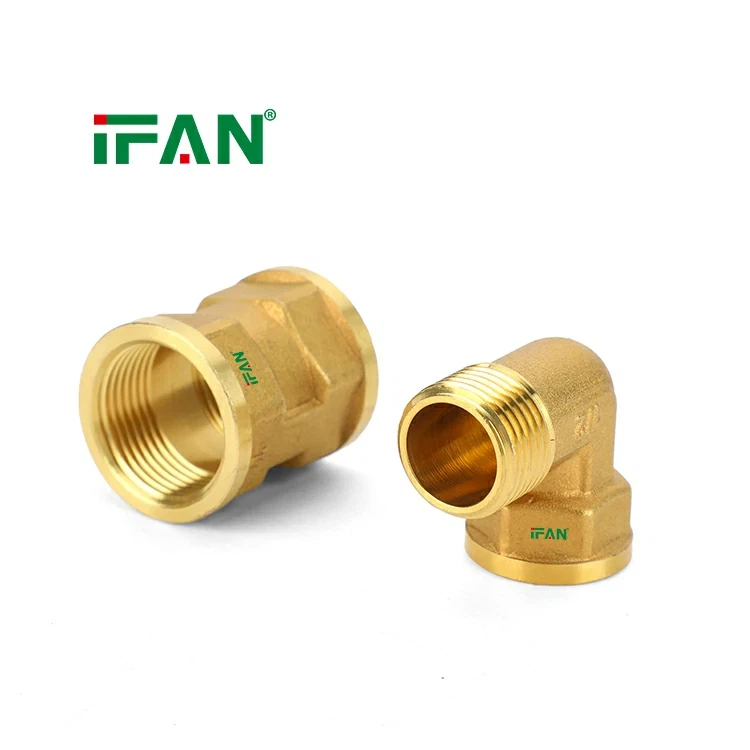
The solution to this problem is DZR brass. DZR stands for Dezincification Resistant. This alloy contains small amounts of arsenic (0.1%), tin, or phosphorus . These additives stabilize the microstructure and actively prevent the zinc from leaching out.
CW602N / CZ132 Specifications
The most common DZR specification is CW602N (also known as CZ132). Its nominal composition is roughly 62% Copper, 36% Zinc, 2% Lead, and 0.1% Arsenic . The addition of that tiny 0.1% of arsenic is what protects the other 36% of zinc from being dissolved by hot water.
Best Practices for Plumbers
For any hot water or aggressive water system, manual selection is key. You must specify DZR brass fittings for hot water plumbing systems . Do not rely on standard "yellow brass" for these areas. Look for "DZR" or "CW602N" markings on the product. Many building codes now require DZR brass for potable water applications .
Conclusion on Dezincification
Dezincification is the chemical destruction of brass from the inside out. It leaves a fragile "copper sponge" where there was once strong metal. It is driven by high zinc content, hot water, and aggressive chemicals like chlorine. It is fully preventable by using DZR (CW602N) brass pipe fittings. This small material upgrade ensures that your plumbing will last for decades rather than failing prematurely.