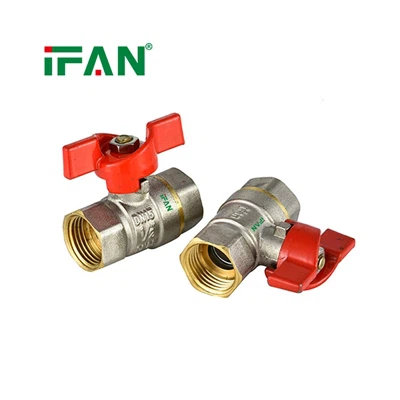

Required Installation Tools
You need a compatible pressing tool. Electric or battery-powered models exist. Each brand requires specific jaw sets. Jaws must match the fitting size. Tools represent a major investment. Proper calibration is essential.
Step-by-Step Installation Guide
First, cut the tubing square and clean. Deburr the cut end thoroughly. Mark the correct insertion depth. Insert the tube fully into the fitting. Position the pressing tool correctly. Activate the tool to complete the connection.
Visual Inspection Protocol
A proper press has clear visual indicators. The tool jaws leave symmetrical indentations. The sleeve should appear fully compressed. No gaps should be visible around it. The tubing should not bulge abnormally. Always verify with a go/no-go gauge.
Pressure and Temperature Ratings
Brass press fittings handle high pressure. Typical rating is 160 PSI at 73°F. Temperature directly affects pressure capacity. Consult the manufacturer's derating charts. Never exceed the specified limits. This ensures long-term system safety.
System Compatibility Check
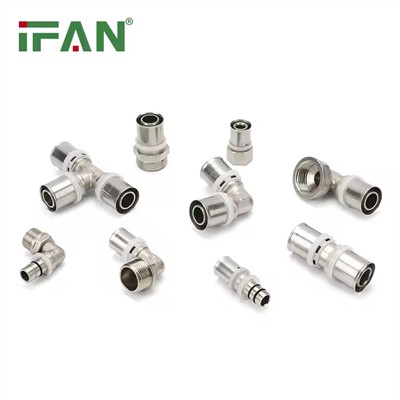
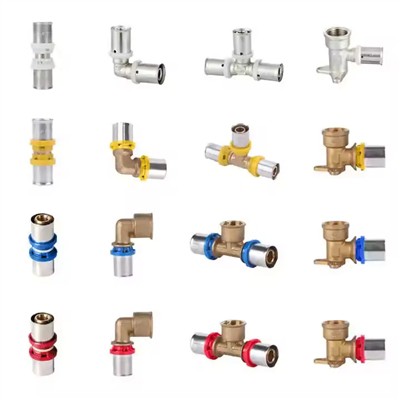
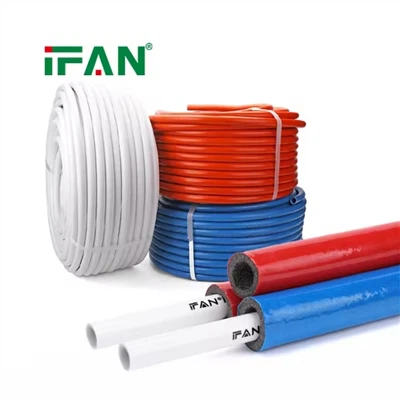
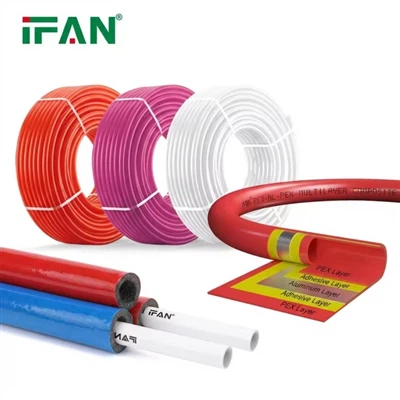
Press fittings work with various tubing types. Compatible with copper, PEX, and multi-layer pipes. Ensure the fitting is designed for your material. Use the same installation procedure. No adjustments are usually necessary.
Advantages for Professional Installers
Installation speed is the primary benefit. Consistency is another major advantage. The tool ensures uniform pressure every time. Reduced skill variation improves quality. Fewer callbacks and warranty issues result. Labor costs decrease significantly.
Common Installation Errors
Using incorrect jaw sets is a frequent mistake. Failing to fully insert the tubing causes leaks. Not deburring the pipe can damage seals. Pressing a fitting twice is not allowed. Avoid using damaged or dirty fittings. Always follow the manufacturer's instructions.
Maintenance and System Checks
Press fittings require minimal maintenance. Periodically inspect for external corrosion. Check for any signs of moisture. Monitor system pressure regularly. No routine tightening is needed. The connection is designed to last.