
ISO 21003 PEX (Cross-Linked Polyethylene) pipe is increasingly used in plumbing systems for its flexibility, durability, and ease of installation. While PEX pipes have become a popular alternative to copper and PVC, many people wonder if these pipes pose any health risks to humans. Are there concerns regarding the safety of PEX pipe in drinking water systems? In this article, we'll explore the safety of PEX pipes and answer whether they are harmful to human health.
What is PEX Pipe?
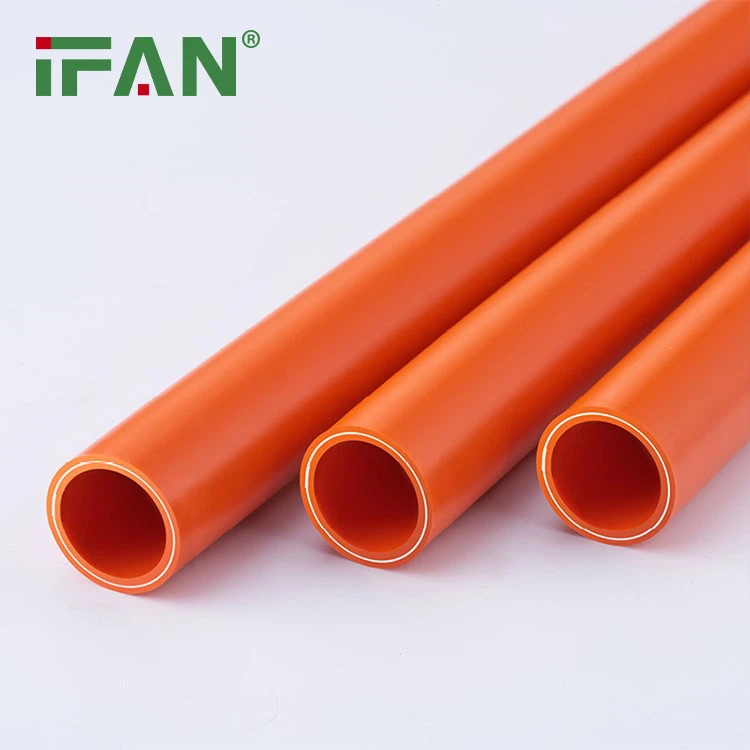
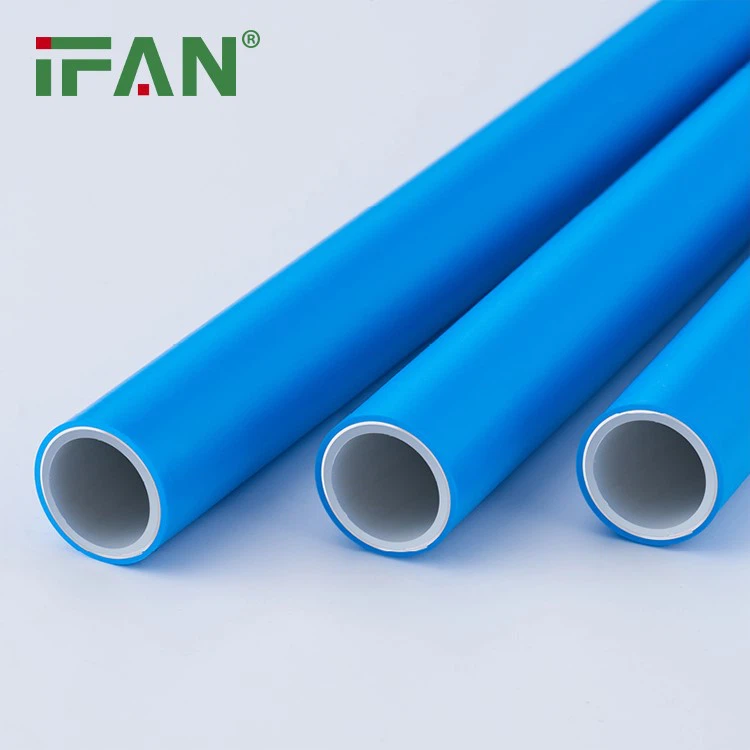
ISO 21003 PEX pipe is a flexible, durable plumbing material made from polyethylene that has been chemically cross-linked. The cross-linking process makes the pipe more robust and resistant to high temperatures, pressure, and freezing. PEX is widely used in residential and commercial plumbing systems for water supply lines, radiant heating systems, and even in repiping projects.
The benefits of PEX include resistance to corrosion, flexibility for easy installation, and affordability compared to copper and other traditional piping materials. However, concerns about its safety, especially regarding exposure to drinking water, have been raised by some homeowners, plumbing professionals, and regulatory bodies.
PEX Pipe and Human Health: A Closer Look
So, is PEX pipe harmful to humans? To address this question, it's important to understand the potential risks and how PEX interacts with drinking water.
1. Regulation and Approval for Use in Drinking Water Systems
PEX pipes have been extensively tested and are approved by several health and safety organizations, including the National Sanitation Foundation (NSF) and the American National Standards Institute (ANSI). The NSF certifies that PEX meets the standards for use in potable (drinking) water systems. This approval means that PEX is considered safe for transporting drinking water, as it does not pose any significant health risks when used correctly.
PEX pipes are required to meet strict regulatory guidelines to ensure they do not leach harmful chemicals into the water. NSF certification ensures that the materials used in PEX pipe do not release dangerous levels of lead, phthalates, or other toxic substances into drinking water.
2. Chemical Leaching and Health Concerns
One of the most significant concerns about PEX pipes is the potential for chemical leaching. Some studies have suggested that certain chemicals could leach from PEX pipes into the water over time, especially if the pipes are exposed to high temperatures or if the water in the system is left stagnant for extended periods.
The main concern involves substances such as methyl tertiary-butyl ether (MTBE) and volatile organic compounds (VOCs), which are used in the manufacturing process of PEX pipes. While there is no conclusive evidence to suggest that these substances cause harm at low levels, there are concerns that over time, exposure to these chemicals could pose a risk to human health.
However, it's important to note that the amount of leaching from PEX pipes into water is generally considered to be very low. The U.S. Environmental Protection Agency (EPA) has set guidelines for the acceptable levels of these chemicals, and most PEX pipes on the market today are well within these limits.
3. Taste and Odor Concerns
Some homeowners report a plastic or chemical taste or odor in the water coming from PEX pipes. This is particularly common in new installations when the PEX has not been flushed properly. While the taste or odor is usually not harmful, it can be unpleasant. It's important to flush the system after installation and ensure the pipes are thoroughly cleaned before use.
If the taste or odor persists, it may indicate that the PEX pipes are of lower quality or that the water temperature is too high. In most cases, allowing the pipes to air out and using the water for a few days will eliminate any unwanted smells.
4. PE Foam and Plasticizers in PEX
Another issue related to PEX pipe involves the use of plasticizers and PE foam in the manufacturing process. These materials can sometimes contain harmful compounds. However, reputable manufacturers produce PEX pipes that comply with FDA standards for materials in contact with food (including drinking water), which ensures that any chemicals used in production are within safe limits.
There is also a concern regarding phthalates, which are chemical compounds that can leach out of plastic and affect human health. In the case of PEX, phthalates are rarely used, and most modern PEX pipes are free from phthalates, making them a safer option for water systems.
Is PEX Pipe Safe for Drinking Water?
Based on the available evidence, PEX pipe is considered safe for transporting drinking water when it is installed and maintained correctly. Major regulatory bodies such as NSF and ANSI have approved PEX pipes for use in potable water systems. This approval ensures that the materials used in PEX meet safety standards for human health.
However, there are a few important factors to keep in mind:
1. High-Temperature Water
PEX pipes are rated for hot water, but extremely high water temperatures may cause the pipe to degrade over time. Consistently exposing PEX pipes to water temperatures above their rated limits (typically 200°F or 93°C) could potentially lead to leaching of substances into the water. To minimize the risk of leaching, it's important to follow the manufacturer's temperature guidelines and avoid exceeding safe temperature limits.
2. Proper Installation and Flushing
Ensuring that PEX pipes are installed correctly is crucial to their safety. Pipes should be flushed properly to remove any residues or chemicals that may have been used during manufacturing. In addition, PEX pipes should be protected from UV light exposure during installation, as prolonged exposure to UV rays can degrade the material and affect its performance.
3. Quality of PEX Pipes
The quality of the PEX pipe matters when it comes to health and safety. Reputable manufacturers follow industry standards and regulations to produce high-quality PEX pipes that are free from harmful chemicals. It's important to choose pipes that are certified by organizations such as NSF, as these certifications ensure the material is safe for potable water.
Environmental Impact of PEX Pipes
In addition to human health, another consideration is the environmental impact of PEX pipes. PEX is a plastic material, and like other plastics, it can contribute to environmental waste. However, PEX pipes have a relatively long lifespan, which reduces the need for frequent replacements. Additionally, PEX pipes are generally recyclable, though recycling programs for PEX are not as widespread as for other types of plastic.
Despite these environmental concerns, the long-term durability of PEX and its energy-efficient installation benefits (such as lower water heating costs due to its insulating properties) make it a sustainable option compared to traditional metal pipes.
Conclusion
In conclusion, PEX pipe is not harmful to humans when used in potable water systems. Regulatory agencies such as NSF and ANSI have approved PEX pipes for use in drinking water, ensuring that they meet safety standards. While there may be concerns about chemical leaching or taste issues, most reputable manufacturers produce PEX pipes that are safe for long-term use.
If you're considering using PEX pipes for your plumbing system, rest assured that they offer a safe, affordable, and reliable option. Just be sure to install them correctly, follow temperature guidelines, and choose certified products to ensure optimal safety. With proper care and maintenance, PEX pipes will provide you with years of safe and efficient water distribution.