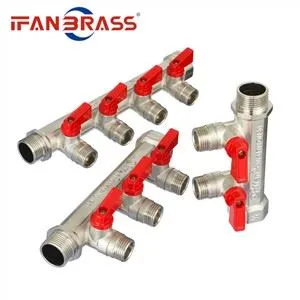


Introduction to Brass Manifolds
A brass manifold is a crucial component used in modern water supply systems. It serves as a central hub, distributing water from a single source to multiple outlets. Typically made of high-quality brass, these manifolds are designed to withstand varying water pressures and temperatures while maintaining structural integrity and long service life. Brass, an alloy of copper and zinc, is selected for its corrosion resistance, durability, and hygienic properties. These characteristics make brass manifolds suitable for residential, commercial, and industrial water supply networks. The manifold design allows each outlet to be independently controlled, enabling better system management and maintenance.
Construction and Design Features
Brass manifolds for water supply are precision-engineered with a robust structure. Each manifold typically consists of a main body with multiple ports, each equipped with valves to regulate water flow. The ports may vary in size and configuration, accommodating different types of plumbing fittings such as compression, threaded, or push-fit connections. Valves integrated into each port provide easy isolation of individual water lines, allowing maintenance without shutting off the entire system. The body of the manifold is often machined to exacting standards, ensuring a leak-tight seal at each connection point and minimizing the risk of failures over time.
Port Configurations and Sizes
Brass manifolds come in various configurations, offering flexibility for different system requirements. They can feature two, three, four, or more ports, depending on the number of outlets needed. The port sizes are designed to match common pipe diameters used in water supply systems, such as ½-inch, ¾-inch, or 1-inch connections. This versatility allows integration into diverse plumbing systems. Some manifolds feature a combination of port sizes to accommodate mixed pipe diameters. Port spacing and arrangement are carefully considered to ensure easy access during installation and maintenance. These configurations make brass manifolds adaptable to a wide range of applications.

Connection Methods
The connection between brass manifolds and pipes is facilitated through various methods depending on the manifold design and the piping system in use. Common connection types include threaded connections, compression fittings, and push-fit connectors. Threaded connections provide a secure, leak-proof joint when properly sealed with thread sealant or tape. Compression fittings create a tight seal using a compression ring, offering ease of installation and disassembly. Push-fit connectors allow for tool-free installation, making them a convenient choice for quick assembly. These connection options ensure compatibility with different pipe materials, including copper, PEX, and CPVC, enhancing installation flexibility.
Pressure Handling and Flow Control
Brass manifolds are engineered to handle a wide range of pressures common in water supply systems, typically from 60 to 150 psi, depending on the specific application. Each valve integrated into the manifold allows precise control over the flow to each connected outlet. This design not only balances the water supply across different zones but also helps isolate specific lines for maintenance or repairs. Flow rates are regulated by adjusting the valves, ensuring optimal distribution of water without causing imbalances in pressure. This controlled flow contributes to system efficiency and helps prevent water hammer and other plumbing issues.
Thermal Performance and Durability
Brass manifolds are capable of withstanding significant temperature variations, making them suitable for both hot and cold water applications. Brass's natural thermal conductivity and stability ensure that the manifold remains functional under thermal stress. Additionally, the material's resistance to scaling and mineral buildup enhances its longevity and performance, even in hard water conditions. Brass's inherent strength reduces the risk of deformation or cracking due to temperature fluctuations or high-pressure environments. These properties ensure that brass manifolds deliver reliable performance over extended periods, reducing the frequency of replacements and repairs in demanding water supply systems.
Installation and Mounting Considerations
Installing a brass manifold involves securing it to a stable surface using mounting brackets or supports. Proper alignment of the manifold with incoming and outgoing pipes is crucial to ensure a secure and leak-free connection. During installation, each port should be connected to its respective pipe using the appropriate fitting type, ensuring that all connections are tightened and sealed effectively. Testing the system for leaks before commissioning is essential to verify the integrity of the installation. The manifold should be installed in an accessible location to allow for easy operation of the valves and future maintenance tasks.
Maintenance and System Management
Brass manifolds require minimal maintenance due to their durable construction. However, periodic inspections are recommended to check for leaks, corrosion, or wear, particularly at connection points and valve seals. Operating the valves periodically helps prevent sticking and ensures smooth functionality. In systems with multiple zones, monitoring flow rates and adjusting valves as necessary can help maintain balanced water distribution. Replacing worn or damaged seals promptly ensures continued reliability. Overall, a well-maintained brass manifold contributes to the long-term performance and safety of the water supply system, reducing the likelihood of unexpected failures or water damage.
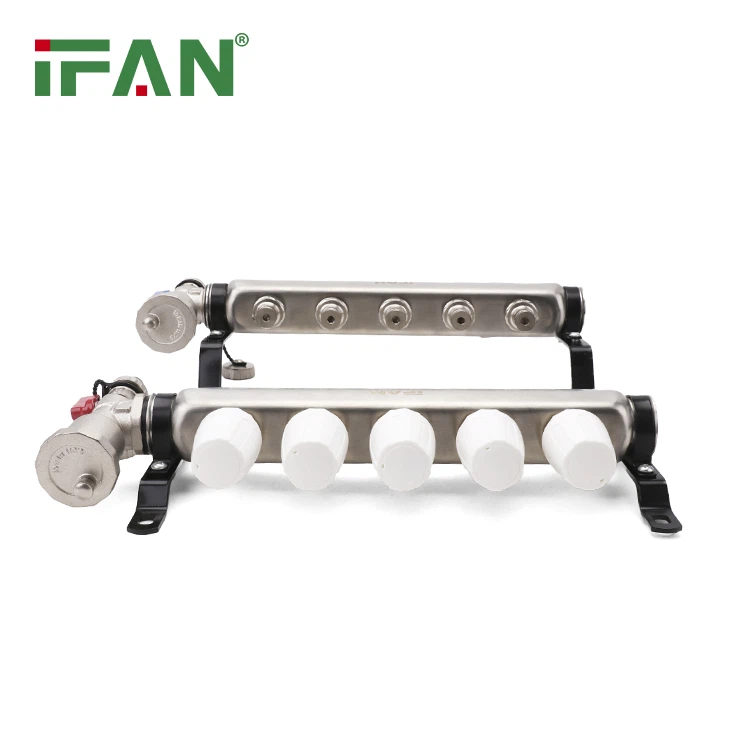
Compliance and Standards
Brass manifolds used in water supply systems are designed to meet stringent industry standards for safety, performance, and durability. They often comply with regulations such as NSF/ANSI for potable water systems, ensuring that the materials used do not contaminate drinking water. International standards like ISO and ASTM specify requirements for dimensional accuracy, pressure ratings, and corrosion resistance. Using certified brass manifolds ensures that the installation meets local codes and provides a reliable and safe water distribution system. Compliance with these standards also facilitates easier inspection approvals and helps ensure user confidence in the installed system.
Conclusion
The brass manifold for water supply is a critical component that combines durability, precision, and ease of use in managing water distribution systems. Its robust construction from high-quality brass ensures long-term performance in both residential and commercial applications. With features such as multiple ports, integrated valves, and various connection options, the manifold offers flexibility and control over water flow. Proper installation and regular maintenance further enhance its reliability and safety. By meeting industry standards, brass manifolds contribute to safe, efficient, and long-lasting water supply networks, making them an indispensable element in modern plumbing systems.
Contact IFAN
Phone:+86 15088288323