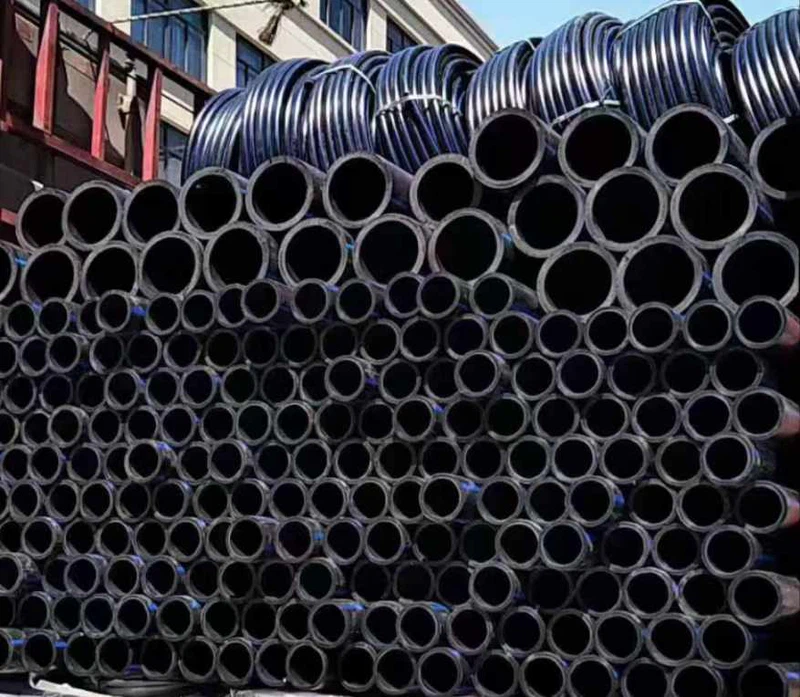
HDPE (High-Density Polyethylene) pipe can float in water. HDPE has a density of about 0.94 grams per cubic centimeter (g/cm³), which is less than the density of water (1 g/cm³). This means HDPE is lighter than water, so it will naturally tend to float.
Why HDPE Pipe Floats:
Material Density: With a density lower than water, HDPE has buoyant properties, which makes it prone to floating when placed in water without additional weighting or anchoring.
Hollow Structure: HDPE pipes are typically hollow, and the air inside them further contributes to buoyancy, making them even more likely to float.
Situations to Consider:
During Installation: HDPE pipes can float up in trenches or waterlogged areas if not properly weighted or anchored.
Underwater Applications: In underwater piping systems, additional anchoring or weighting may be required to keep HDPE pipes submerged.
Methods to Prevent Floating:
Ballast or Weights: Adding weights along the pipe length helps counteract buoyancy.
Concrete Anchors: In some applications, concrete anchors or saddles are used to keep HDPE pipes securely in place.
Proper Trench Backfilling: During installation, properly compacting backfill material around the pipe reduces the risk of it shifting or floating up in areas with high groundwater.
In general, while HDPE pipes have advantages in various applications, these buoyant properties need consideration when installing in or around water.
Contact IFAN
Phone:+86 15088288323
Email:sales24-ifan@ifangroup.com