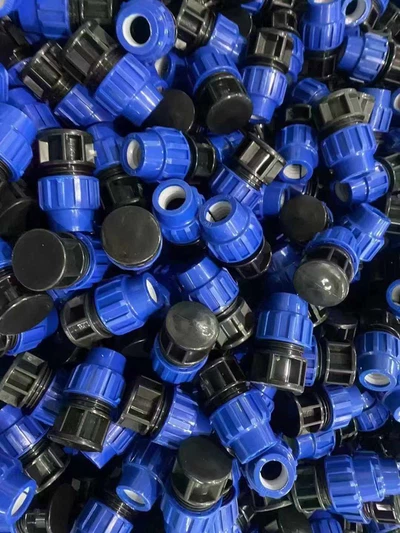
HDPE (High-Density Polyethylene) pipe generally requires bedding to ensure stability, protection, and a long lifespan. Proper bedding for HDPE pipes helps to:
Support the Pipe Structure: Bedding materials, like sand or gravel, provide uniform support around the pipe, preventing uneven stress distribution that could lead to bending or cracking.
Reduce the Risk of Pipe Movement: Properly compacted bedding helps keep the pipe stable in its trench, reducing risks related to soil movement or load changes from above.
Enhance Load Distribution: By surrounding the pipe with quality bedding, you spread the load evenly, protecting the pipe from heavy external pressures, especially in areas with vehicle traffic or shifting ground.
Prevent Soil Infiltration: Proper bedding creates a stable barrier around the pipe, helping prevent soil infiltration into the pipe joints and ensuring that drainage and flow functions remain unimpeded.
Recommended Bedding Materials for HDPE Pipe
For HDPE pipes, clean, crushed rock, sand, or gravel is typically recommended as bedding material. Coarse, non-angular particles provide the best balance between support and easy compaction, allowing the pipe to settle securely while still allowing water to drain away from the pipe zone.
Installation Tips
Lay a Uniform Base Layer: Place a minimum bedding layer, typically 4 to 6 inches, to create a solid foundation.
Backfill Carefully: Use quality material to backfill the pipe zone evenly on both sides, compacting in small lifts to minimize gaps.
Avoid Sharp Objects: Ensure the bedding material is free from sharp stones or debris to prevent puncturing or damaging the pipe.
Proper bedding ensures HDPE pipes perform effectively and last longer in demanding environments.
Contact IFAN
Phone:+86 15088288323
Email:sales24-ifan@ifangroup.com