
CPVC (Chlorinated Polyvinyl Chloride) ball valves are widely used in industrial and domestic applications due to their corrosion resistance, durability, and excellent chemical resistance. They provide reliable performance for controlling the flow of liquids and gases in a variety of piping systems. However, like any component, proper installation is crucial for ensuring safe and effective operation. This article covers important installation precautions and safety measures when working with CPVC ball valves, and compares two popular brands in the market, IFAN and , to highlight the advantages of IFAN's CPVC ball valves.
Proper Handling and Storage of CPVC Ball Valves
Before the installation of a CPVC ball valve, it is essential to ensure that the valve is handled and stored properly to prevent damage. CPVC is a durable material, but it is also susceptible to cracking or damage if mishandled.
Storage Conditions: CPVC ball valves should be stored in a dry, cool environment, away from direct sunlight. Prolonged exposure to UV light or high temperatures can weaken the material and reduce its lifespan. Additionally, ensure that valves are stored in an upright position to prevent undue stress on the valve's body and seals.
Handling Precautions: During handling, avoid dropping the CPVC valve or subjecting it to mechanical stress. Always handle the valve by the body and avoid placing excessive force on the stem or ball, as this can cause misalignment or damage.
For example, IFAN CPVC ball valves are designed with a reinforced structure that makes them more resistant to mechanical stress, whereas CPVC valves may not be as resistant to damage in rough handling, potentially resulting in a decrease in performance after installation. This added durability in IFAN valves ensures a longer lifespan, even if minor handling mistakes occur. IFAN factory 30+ years manufacture experience support color /size customization support free sample.Welcome to consult for catalog and free samples.This is our Facebook Website:www.facebook.com,Click to watch IFAN's product video.Our IFAN products from quality to price are your best choice, welcome to buy!
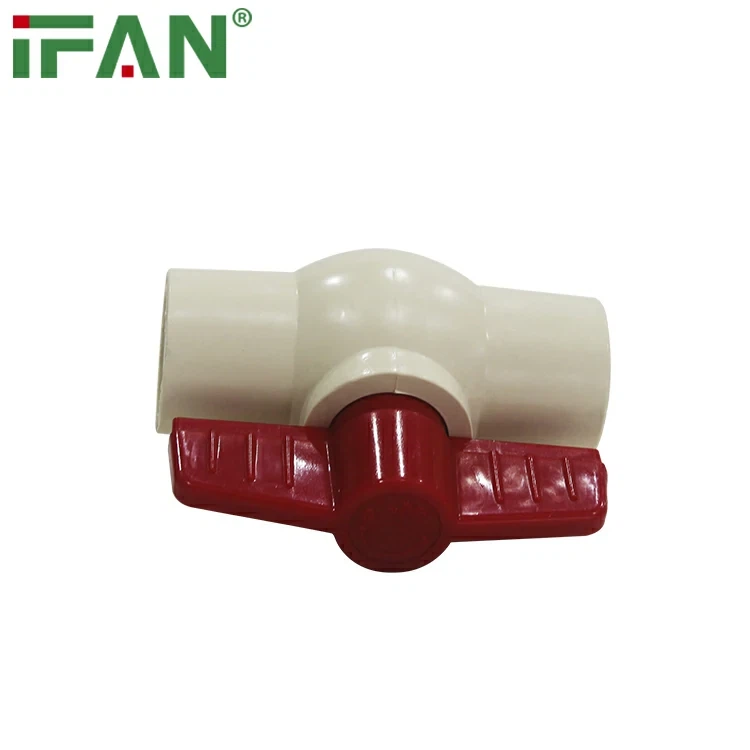
Correct Valve Orientation and Alignment
One of the key considerations during CPVC ball valve installation is ensuring that the valve is properly oriented within the pipeline. Proper alignment ensures that the valve operates efficiently and effectively, and prevents unnecessary wear or leaks.
Valve Body Orientation: When installing CPVC ball valves, it is crucial to respect the direction of flow indicated by the arrows on the valve body. Installing the valve in the wrong orientation can lead to improper sealing and reduced performance. Make sure the valve is installed in a location where it can be easily accessed for future maintenance and adjustment.
Valve Alignment: CPVC ball valves need to be properly aligned with the piping system to avoid stress on the valve seat and the stem. Improper alignment can lead to leakage, reduced flow control, and even valve failure over time. Always ensure that the valve is correctly positioned within the pipeline and that the pipes are aligned and supported before tightening the fittings.
IFAN valves, with their precision engineering, provide more reliable sealing and alignment tolerance compared to valves, which may experience alignment issues if not installed correctly, affecting the valve's long-term performance.
Use of Proper Tools and Installation Techniques
Using the correct tools and techniques during installation is essential for ensuring a secure and leak-free connection. CPVC ball valves require specific procedures to be followed in order to avoid damage to the valve or the piping system.
Cutting the Pipes: Ensure that the CPVC pipes are properly cut to the required lengths using a fine-toothed saw or pipe cutter. Make sure the cut edges are smooth and free from burrs, as rough edges can damage the valve seal and cause leaks.
Deburring and Chamfering: After cutting the pipes, always deburr the edges to remove any sharp or uneven areas. Chamfering the pipe ends can also help prevent damage to the valve during installation and ensure a tighter fit.
Use of Primer and Cement: When joining CPVC pipes with ball valves, ensure that you are using the appropriate CPVC primer and solvent cement. Apply the primer to both the pipe and valve connection surfaces to clean and prepare them for bonding. Once primed, apply a generous amount of solvent cement to the pipe end and the valve socket, then quickly insert the pipe into the valve socket, twisting slightly to ensure a secure fit.
In comparison, IFAN CPVC ball valves come with well-designed connection points that allow for easier and more precise installation with minimal risk of damaging the valve or pipe. valves, while functional, may not provide as secure a connection, leading to possible leakage if the cementing process is not perfectly executed.
Safety Measures During Installation
Ensuring safety during installation is critical, both for the technician and for the long-term safety of the system. CPVC ball valves are often used in systems that handle pressurized fluids, and improper installation can lead to leaks, accidents, or system failures.
Personal Protective Equipment (PPE): Always wear appropriate PPE when handling CPVC valves, including gloves and safety goggles. This is especially important when working with CPVC cement and primer, which can be harmful if they come into contact with skin or eyes.
Pressure Relief: Before beginning installation, ensure that the piping system is depressurized to avoid accidental release of fluids or gases. Always check that there are no residual pressures in the pipes that could cause injury or damage during valve installation.
Leak Testing: After installation, it is essential to perform a pressure test to check for leaks. Close the valve and pressurize the system to the specified operating pressure. Inspect all connections and the valve for leaks. For IFAN CPVC ball valves, the precise manufacturing ensures a better seal and less likelihood of leakage compared to CPVC valves, which may require more frequent testing and adjustments to prevent leaks. IFAN CPVC Pipe Fittings are not only compliant with the ASTM2846 series standards but also adhere to a broad range of international standards, including DIN 8079/8080, ASTM F441/F441M SCH80, DIN, GB/T 18993, and AS/NZS 1477. This extensive compatibility ensures that IFAN products meet the highest quality and performance requirements across various global markets, providing reliable solutions for diverse plumbing and piping applications.
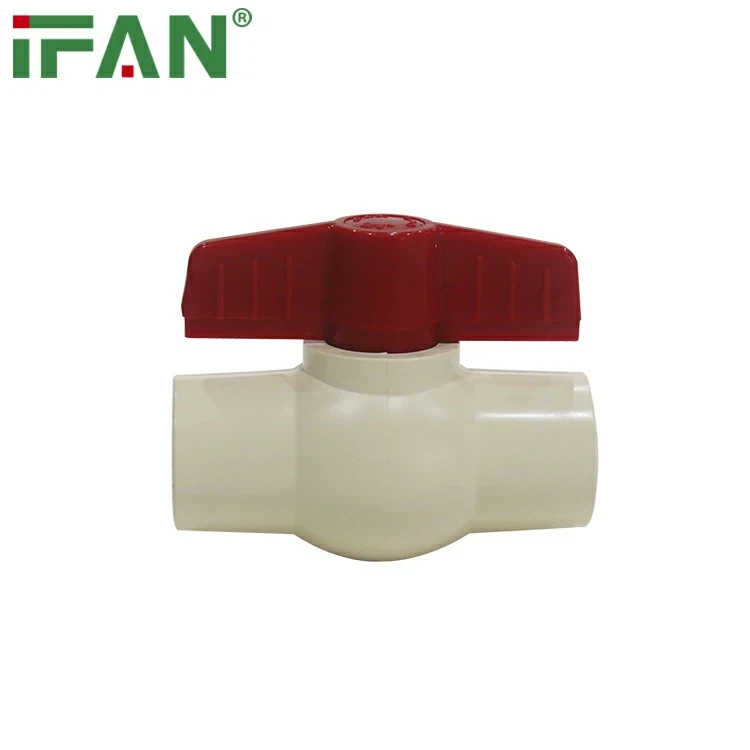
Maintenance and Long-Term Safety Considerations
CPVC ball valves require minimal maintenance, but regular checks are necessary to ensure long-term functionality and safety. Proper maintenance reduces the risk of leaks and system failures, and ensures that the valve continues to perform optimally throughout its lifespan.
Regular Inspection: Perform periodic inspections of the valve, looking for signs of wear, corrosion, or damage. If the valve handle becomes difficult to turn, or if there is visible leakage, this may indicate an issue that requires repair or replacement.
Lubrication and Cleaning: Periodically lubricate the valve's stem and check for any build-up of debris or scale around the valve seat, which could interfere with the valve's operation. For IFAN CPVC valves, the superior quality of the valve body and components ensures that they require less maintenance and cleaning compared to valves, which may need more frequent attention.
Replacing Seals and O-rings: Over time, seals and O-rings may wear out, especially in high-pressure or high-temperature applications. Replace these components as necessary to maintain optimal sealing performance.
Conclusion: The Advantages of IFAN CPVC Ball Valves in Installation and Safety
In conclusion, the installation of CPVC ball valves is a straightforward process, but it requires careful attention to detail to ensure safety, reliability, and long-term performance. By following proper handling, alignment, and installation procedures, and using the right tools, the likelihood of issues during installation can be minimized.
When comparing IFAN CPVC ball valves with CPVC ball valves, IFAN's superior quality, more precise design, and durable materials offer distinct advantages. IFAN valves are easier to install with fewer risks of misalignment or leakage, thanks to their robust construction and better sealing mechanisms. These features, combined with the need for less maintenance over time, make IFAN CPVC ball valves the preferred choice for users looking for a reliable, high-performance solution in CPVC ball valve applications.