
Understanding Plated Brass Fittings
Plated brass fittings combine the inherent strength and corrosion resistance of brass with an additional plated metal layer, often chrome or nickel. This plating enhances durability and provides a polished finish, making these fittings suitable for both functional and decorative applications. When selecting plated brass fittings for your project, understanding the key characteristics, benefits, and types available is essential to make the best choice that aligns with your specific needs.
Assess Your Project Requirements
Before choosing plated brass fittings, clearly define the requirements of your project. Consider factors such as the type of system (plumbing, industrial, decorative), environmental conditions (humidity, temperature, exposure to chemicals), pressure levels, and aesthetic preferences. These elements will influence the choice of plating material, fitting design, and size. Accurate assessment ensures you select fittings that deliver optimal performance and longevity for your project.
Types of Plating and Their Benefits
Common plating materials for brass fittings include chrome, nickel, and sometimes tin or zinc. Chrome plating is highly durable, corrosion-resistant, and offers a bright, reflective finish. Nickel plating also provides excellent corrosion resistance with a slightly warmer appearance. Each plating type offers different benefits in terms of appearance, hardness, and environmental resistance. Understanding these distinctions will help you pick the plating that best suits your application.
Choosing the Right Fitting Design
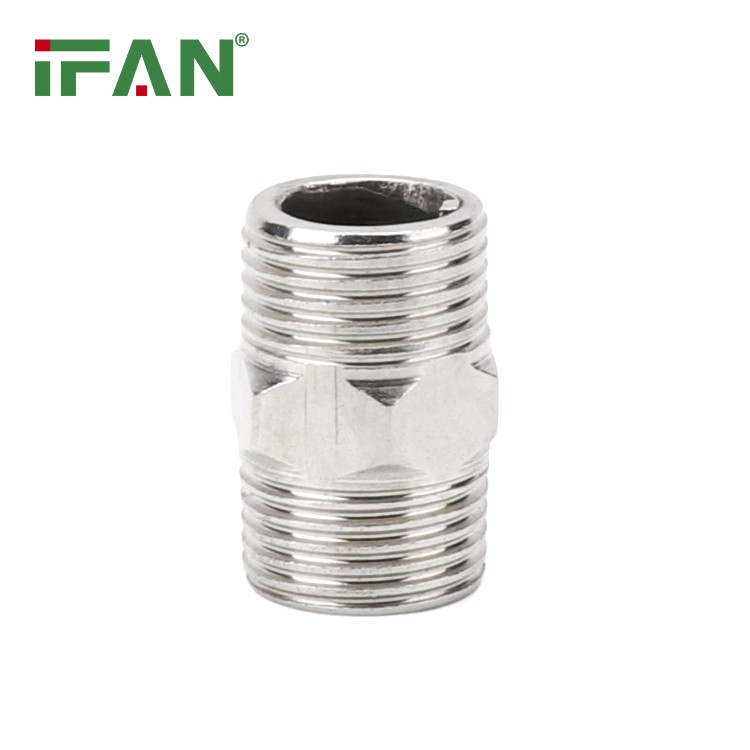
Plated brass fittings come in various designs such as elbows, tees, couplings, valves, and adapters. Selecting the appropriate design depends on your system's configuration and flow requirements. For example, elbows are used to change pipe direction, while tees allow branch connections. Ensure that the design you select matches the system layout and pressure requirements, and that it is compatible with the type of pipes and connectors in your project.
Size and Thread Standards
Correct sizing is critical for a leak-free plumbing or industrial system. Plated brass fittings are available in a range of sizes and thread standards, including NPT (National Pipe Thread), BSP (British Standard Pipe), and metric options. Verify the pipe dimensions and threading standards in your system before purchasing fittings. Using mismatched sizes or thread types can cause leaks, improper fit, or mechanical failure, so always double-check these specifications.
Consider Compatibility with Piping Materials
Your choice of plated brass fittings should be compatible with the piping materials used in your project. Brass fittings work well with copper, PEX, CPVC, and steel pipes, but some plating types may be more suited to certain pipe materials or environments. For example, nickel-plated fittings may be preferred in chemical processing due to their enhanced resistance to specific chemicals. Compatibility ensures secure connections and reduces the risk of galvanic corrosion or damage.
Evaluate Environmental Conditions
Environmental factors heavily influence the selection of plated brass fittings. In outdoor or marine environments, exposure to saltwater, humidity, and temperature extremes necessitates fittings with robust plating, such as chrome or nickel, which resist corrosion effectively. Indoor applications may have less stringent requirements but still benefit from plating to prevent tarnishing and wear. Assessing these conditions helps ensure the fittings will perform reliably throughout the system's lifespan.
Quality and Certification Standards
Opt for plated brass fittings from reputable manufacturers that comply with recognized quality standards such as ASTM, ISO, or ANSI. Certifications ensure the fittings have been tested for mechanical strength, corrosion resistance, and dimensional accuracy. Quality control is crucial to avoid failures that can lead to leaks or costly repairs. Request product specifications and test reports whenever possible to verify the quality and suitability of the fittings.
Installation Considerations
Ease of installation is an important factor when selecting plated brass fittings. Some fittings are designed for quick press-fit or compression connections, while others may require soldering or threading. Choose fittings that align with the installation methods and tools available for your project. Proper installation techniques are essential to maximize the benefits of plated brass fittings and ensure leak-free, durable joints.
Maintenance and Longevity
Consider the maintenance requirements and expected lifespan of the plated brass fittings. High-quality plating reduces tarnish, corrosion, and wear, minimizing maintenance needs. For projects where access for repair is limited, prioritize fittings with enhanced durability and corrosion resistance. Understanding maintenance expectations helps you plan for long-term system reliability and cost-effectiveness.
Cost vs. Performance
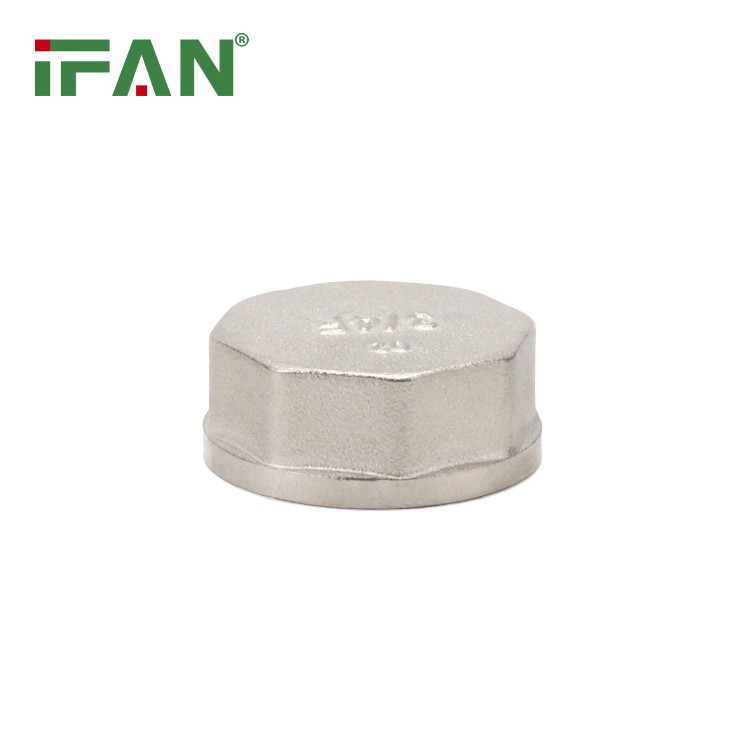
While plated brass fittings can be more expensive than unplated alternatives, their enhanced durability, corrosion resistance, and aesthetic appeal often justify the investment. Balance your budget with the performance requirements of your project. Investing in higher-quality plated fittings upfront can reduce future costs associated with repairs, replacements, and downtime.
Sourcing and Supplier Selection
Select suppliers with a track record of delivering quality products and reliable customer service. Working with experienced suppliers ensures access to technical support, customization options, and timely delivery. Request samples or references to evaluate product quality before committing to large orders. A trusted supplier partnership contributes to the success of your project from start to finish.
Final Tips for Successful Selection
When selecting plated brass fittings, always prioritize quality, compatibility, and environmental suitability. Double-check sizes, thread types, and fitting designs to ensure proper integration into your system. Don't hesitate to consult with industry experts or manufacturers for advice tailored to your specific application. Taking these steps will help you choose fittings that provide reliable, long-lasting performance.
Contact IFAN
Phone:+86 15088288323