
When it comes to choosing fittings for plumbing, heating, or industrial systems, the material used is of utmost importance. Among various metal options, brass has emerged as a preferred choice. This article will explore the benefits of brass fittings over other metal fittings and explain why brass stands out as the superior choice in many applications.
1. Durability of Brass Fittings
One of the main advantages of brass fittings is their durability. Brass is a strong, corrosion-resistant alloy, typically composed of copper and zinc. It is less prone to damage from physical wear and tear compared to other metals like steel or aluminum.
Brass fittings are able to withstand high pressure and temperature variations without cracking or deteriorating. In both home plumbing systems and industrial applications, brass offers reliable performance that can last for decades. For example, brass fittings in gas or water systems remain intact even under extreme conditions, making them an excellent choice for high-stress environments.
In contrast, steel fittings may rust over time, and aluminum fittings can weaken, particularly when exposed to moisture. Brass's inherent strength makes it a more durable option for systems requiring longevity.
2. Corrosion Resistance of Brass Fittings
Brass fittings are known for their exceptional resistance to corrosion, which is a significant concern for many plumbing and industrial systems. Brass doesn't rust like iron or steel, ensuring a longer lifespan and reduced maintenance.
In water systems, brass fittings are less likely to experience issues such as pitting or corrosion that can impede water flow. When exposed to moisture or chemicals, brass maintains its integrity, making it a preferred material for plumbing applications, particularly in areas with high humidity or chemical exposure.
While other metals such as copper also offer some resistance to corrosion, they can develop a patina over time. Brass fittings, on the other hand, maintain their functionality without significant degradation, ensuring reliable performance for years.
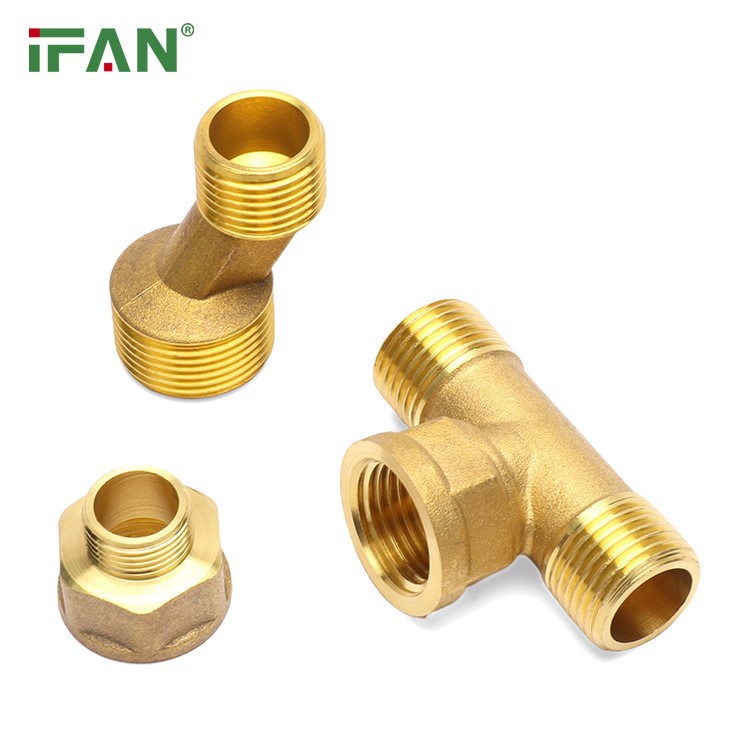
3. High-Temperature Tolerance of Brass Fittings
Brass fittings are highly resistant to high temperatures, which is an essential feature in both industrial and residential applications. Brass can withstand hot water, steam, and high-pressure systems without warping or weakening.
In heating systems, such as radiators and boilers, brass fittings offer reliable connections that can handle extreme temperatures. This is a key advantage over materials like PVC, which can soften or become brittle when exposed to heat.
For industrial applications, such as steam pipes or chemical processing systems, brass fittings provide the necessary heat resistance to ensure safe and effective operation. This makes brass fittings the superior choice over other metals like aluminum, which can have a lower melting point and are less suitable for high-heat environments.
4. Ease of Installation and Versatility
Brass fittings are known for their ease of installation. Many brass fittings feature a threaded design, which allows for easy connection to pipes and other components. This makes brass fittings ideal for both professional plumbers and DIY enthusiasts.
Additionally, brass fittings are versatile and can be used in various applications. They are compatible with many types of pipes, including copper, steel, and PEX, which makes them ideal for a wide range of plumbing systems.
In contrast, some other metals like stainless steel or cast iron fittings may require specialized tools or techniques for installation, increasing labor costs and complexity. Brass fittings' ease of installation and wide compatibility make them a practical solution for both home and industrial systems.
5. Aesthetic Appeal of Brass Fittings
In residential applications, brass fittings offer a distinct aesthetic advantage. The golden hue of brass complements many home styles, making it a popular choice for visible fixtures such as faucets, valves, and showerheads.
While functional performance is essential, the appearance of the fittings also matters in home design. Brass fittings add a touch of elegance and timeless appeal to kitchen and bathroom plumbing.
Other metals like galvanized steel or copper may not offer the same visual appeal, as they can discolor over time or develop a patina. Brass fittings, however, maintain their polished look, even after years of use, contributing to the overall aesthetic value of the home.
6. Cost-Effectiveness and Value for Money
Although brass fittings may come at a higher initial cost compared to other metals like plastic or aluminum, they offer long-term value. The durability, corrosion resistance, and longevity of brass fittings reduce the need for frequent replacements, saving money in the long run.
In plumbing systems, brass fittings are less likely to suffer from leaks or failures, reducing repair costs. For industrial applications, their resistance to wear and tear ensures that maintenance costs are minimized.
While some metals may seem cheaper upfront, the added costs of frequent replacements and repairs can outweigh the initial savings. Brass fittings provide a more cost-effective solution in the long term by ensuring long-lasting performance.

7. Environmentally Friendly Properties of Brass Fittings
Brass is an environmentally friendly material due to its recyclability. Unlike some plastics, which may take hundreds of years to decompose, brass can be easily recycled without compromising its quality. This makes brass fittings an excellent choice for environmentally conscious consumers.
Recycling brass reduces the need for new raw materials, conserving resources and energy. Additionally, because brass fittings last longer and require fewer replacements, they contribute to less waste over time.
In contrast, fittings made from non-recyclable plastics or metals that deteriorate quickly may contribute more to environmental waste. Brass fittings' longevity and recyclability make them a more sustainable option.
8. Resistance to Wear and Tear
Brass fittings offer superior resistance to wear and tear. In environments that experience constant vibration or movement, brass fittings can withstand the stress without breaking or loosening. This makes them an ideal choice for both industrial machinery and residential plumbing systems.
For instance, in plumbing systems where water flow or pressure fluctuates, brass fittings hold their integrity better than other materials like aluminum, which may weaken over time. Their resistance to abrasion also makes them suitable for high-flow systems where metal fatigue could otherwise be a concern.
Unlike plastic fittings, which can crack or degrade over time, brass fittings maintain their shape and functionality under pressure, ensuring a long-lasting solution.
Conclusion: Brass Fittings as the Superior Choice
In comparison to other metal fittings, brass fittings stand out for their durability, corrosion resistance, high-temperature tolerance, and ease of installation. Whether used in residential plumbing systems or industrial applications, brass fittings offer superior performance and longevity.
Their aesthetic appeal, cost-effectiveness, and environmental benefits further solidify brass fittings as the superior choice for a variety of applications. While other metals like steel, aluminum, or plastic may have their uses, they cannot match the versatility and reliability of brass.
For homeowners and industries seeking a long-lasting, efficient, and reliable solution, brass fittings are undoubtedly the best option.