
Can PPR Handle Hot Water?
Polypropylene Random Copolymer (PPR) pipes are widely used in plumbing systems for both cold and hot water distribution. A common question among homeowners and engineers is whether PPR can reliably handle hot water without compromising safety or durability. Below, we explore the thermal capabilities of PPR pipes and why they remain a top choice for modern plumbing.
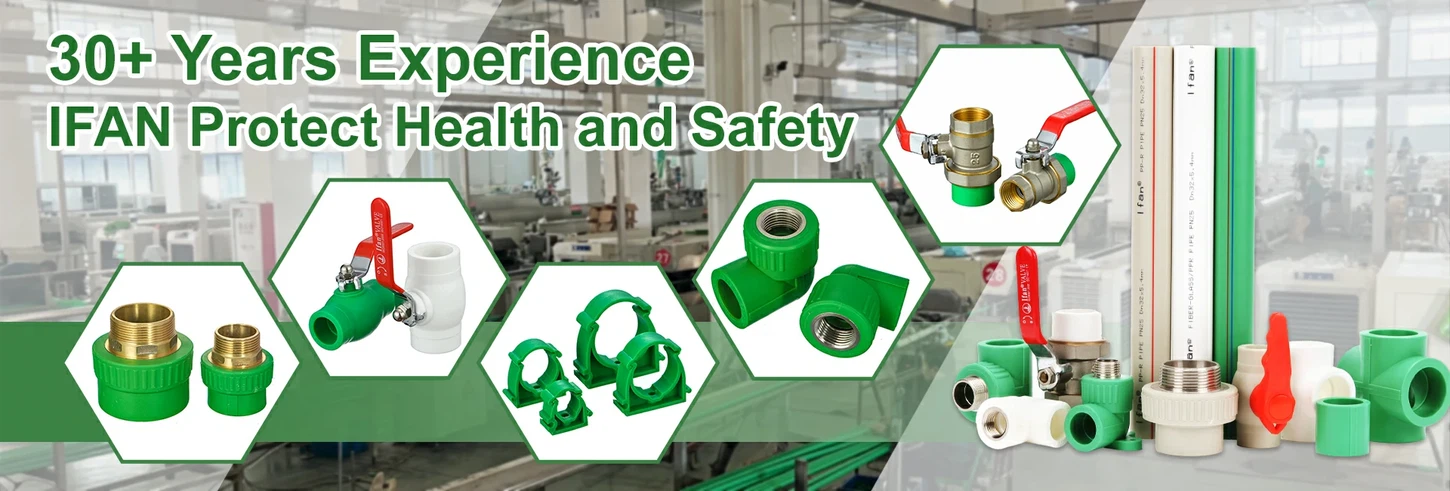
| Product Name | PPR Pipes and Fittings |
| Brand | IFAN |
| Size | 20mm-110mm |
| Color | Green,White,Grey or Customized |
| Logo/Color/Package | Support Customization |
| Sample | Free Sample |
| Contact |
1. High-Temperature Resistance of PPR
PPR pipes withstand continuous exposure to temperatures up to 95°C (203°F), making them ideal for hot water systems in residential and commercial buildings. Unlike traditional materials like PVC, which may warp or release toxins at high temperatures, PPR maintains its structural integrity. This thermal stability ensures consistent performance even in areas with extreme climate conditions or industrial applications.
2. Thermal Expansion and Safety Measures
While PPR expands slightly under heat, proper installation techniques-such as leaving expansion joints and avoiding tight bends-prevent damage. Manufacturers provide guidelines to account for thermal movement, ensuring long-term reliability. When installed correctly, PPR pipes do not crack, leak, or deform, even during prolonged exposure to hot water.
3. Long-Term Durability in Hot Water Systems
PPR's resistance to oxidation and chemical degradation ensures it does not corrode or scale over time, unlike metal pipes. This property reduces maintenance costs and extends the lifespan of plumbing systems to over long-term durability according to standards. Hot water flowing through PPR pipes remains free from contaminants, as the material does not react with water or additives like chlorine.
4. Energy Efficiency and Cost Savings
PPR's low thermal conductivity minimizes heat loss during hot water transportation. This efficiency reduces energy consumption for water heating, lowering utility bills. Additionally, PPR's lightweight design simplifies installation, cutting labor costs compared to heavier materials like copper or steel.
5. Compliance with International Standards
PPR pipes meet global certifications such as ISO 15874 and ASTM D2846, confirming their suitability for hot water applications. These standards ensure the material does not release harmful substances, even at elevated temperatures.
About IFAN Plumbing Manufacturer
IFAN factory has more than 30 years of experience in the plumbing industry. We wholesale a variety of pipes and pipe accessories, including manifolds, valves and faucets.
Color, size and packaging are all customizable.
We provide you with a perfect and reasonable solution for your project.
Need product recommendations?
IFAN VR Factory (Click Here For A 360° Tour Of IFAN Factory/Workshop)
Contact IFAN Supplier
Phone:+86 15088288323
Email:Sales24-Ifan@Ifangroup.Com
FAQs
What is the maximum temperature PPR pipes can handle?
PPR pipes safely transport water up to 95°C (203°F) continuously.
Do PPR pipes release toxins when exposed to hot water?
No, PPR is chemically inert and does not leach harmful substances, even at high temperatures.
How often should PPR hot water pipes be inspected?
Routine checks every 5–10 years are sufficient, as PPR rarely degrades when installed properly.
Can PPR pipes be used for underfloor heating systems?
Yes, PPR's thermal stability makes it ideal for radiant floor heating, which operates at temperatures between 40–60°C.
Are PPR pipes more cost-effective than copper for hot water lines?
Absolutely. PPR costs less per meter, requires fewer fittings, and reduces energy loss, offering long-term savings.