
PPR (Polypropylene Random Copolymer) pipe fittings are widely used in plumbing and heating systems due to their durability, ease of installation, and resistance to corrosion. However, compatibility issues can arise when using different types of PPR pipe fittings, especially if they are from different manufacturers or have varying specifications. Below are the key compatibility issues to consider and how to address them: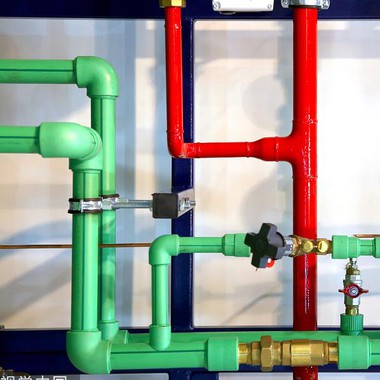
1. Material Composition Differences
Issue: PPR pipes and fittings from different manufacturers may have slight variations in material composition, such as the percentage of copolymer or additives.
Impact: This can affect the fusion welding process, leading to weak joints or leaks.
Solution: Use pipes and fittings from the same manufacturer or ensure they meet the same standards (e.g., ISO 15874).
2. Size and Dimensional Variations
Issue: PPR pipes and fittings may have slight differences in outer diameter (OD) or wall thickness, even if they are labeled as the same size.
Impact: Improper fitting connections, leading to leaks or joint failure.
Solution: Measure the dimensions carefully and use fittings that match the pipe size precisely. Avoid mixing metric and imperial sizes.
3. Pressure Rating (PN Rating) Mismatch
Issue: PPR pipes and fittings have different pressure ratings (e.g., PN10, PN16, PN20, PN25). Using mismatched components can compromise system integrity.
Impact: Overpressure in lower-rated fittings can cause bursts or leaks.
Solution: Ensure all components have the same or higher pressure rating than the system requires.
4. Temperature Rating Differences
Issue: PPR pipes and fittings are designed for specific temperature ranges. Using components with different temperature ratings can lead to failure.
Impact: High temperatures can weaken lower-rated fittings, causing deformation or leaks.
Solution: Verify the temperature ratings of all components and ensure they match the system's operating conditions.
5. Fusion Welding Compatibility
Issue: Different PPR materials may have varying melting points, affecting the quality of fusion-welded joints.
Impact: Poor fusion can result in weak joints or leaks.
Solution: Use pipes and fittings with the same material grade (e.g., PPR80 or PPR100) and follow the manufacturer's welding guidelines.
6. Chemical Resistance Variations
Issue: PPR pipes and fittings may have different levels of chemical resistance, especially if they are designed for specific applications.
Impact: Exposure to incompatible chemicals can degrade the material, leading to failure.
Solution: Ensure all components are rated for the same chemical exposure and application.
7. Color and UV Resistance Differences
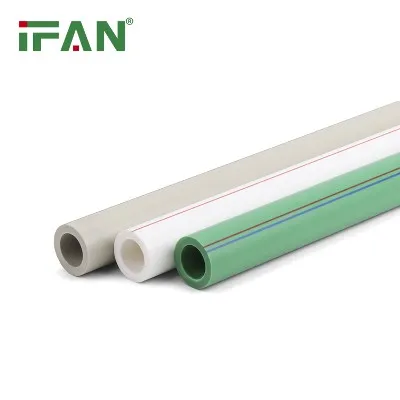
Issue: PPR pipes and fittings come in different colors (e.g., green for drinking water, gray for industrial use). Mixing colors may indicate different formulations or UV resistance levels.
Impact: UV-sensitive fittings used outdoors may degrade over time.
Solution: Use fittings with the same color and UV resistance rating for consistent performance.

8. Manufacturer-Specific Standards
Issue: Different manufacturers may follow slightly different production standards or tolerances.
Impact: Inconsistent quality or performance when mixing components.
Solution: Stick to one reputable brand for all pipes and fittings to ensure compatibility.
9. Threaded Fittings Compatibility
Issue: Threaded PPR fittings may not match the thread standards of other materials (e.g., metal pipes).
Impact: Leaks or improper connections.
Solution: Use adapters or transition fittings designed for connecting PPR to other materials.
10. Aging and Wear Differences
Issue: Older PPR pipes and fittings may have different wear patterns or material degradation compared to new ones.
Impact: Mismatched aging can lead to joint failure or leaks.
Solution: Replace old components with new ones from the same manufacturer to ensure compatibility.
Summary of Solutions
To avoid compatibility issues with PPR pipe fittings:
Use pipes and fittings from the same manufacturer.
Ensure consistent size, pressure rating (PN), and temperature rating.
Verify material composition and chemical resistance.
Follow proper fusion welding techniques.
Avoid mixing colors or UV resistance levels.
Use adapters for connecting to non-PPR materials.
By addressing these compatibility issues, you can ensure a reliable and long-lasting PPR piping system. Always consult the manufacturer's guidelines and standards when selecting and installing PPR pipes and fittings.