Joining CPVC Fittings: A Step-by-Step Guide
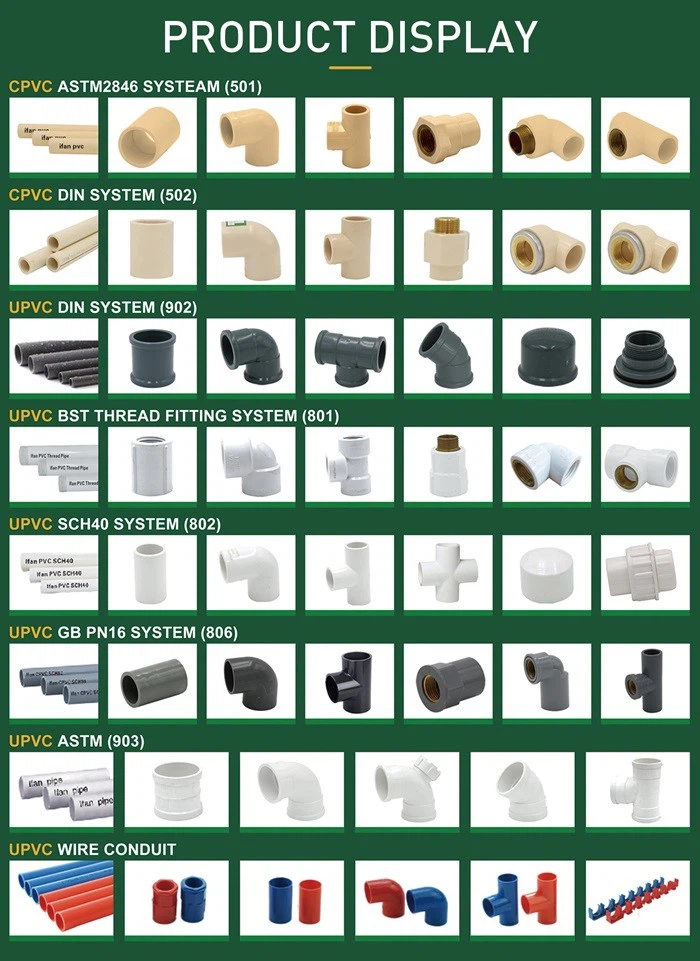
CPVC (Chlorinated Polyvinyl Chloride) fittings are commonly used in plumbing systems due to their durability and ease of installation. Joining CPVC fittings is a straightforward process that requires precision and the right tools. Here's a step-by-step guide on how to join CPVC fittings effectively:
1. Preparation: Before starting the joining process, ensure that you have all the necessary tools and materials, including CPVC fittings, CPVC solvent cement, a saw or pipe cutter, and sandpaper. Additionally, make sure the CPVC pipes and fittings are clean and free from any dirt or debris.
2. Cut the CPVC Pipe: Using a saw or pipe cutter, carefully cut the CPVC pipe to the desired length. Ensure that the cut is clean and straight to facilitate a proper fit with the fittings.
3. Prepare the Surfaces: Using sandpaper, lightly sand the outer surface of the CPVC pipe and the inner surface of the CPVC fitting. This helps to roughen the surfaces slightly, allowing for better adhesion when applying solvent cement.
4. Apply Solvent Cement: Once the surfaces are prepared, apply a liberal amount of CPVC solvent cement to both the outside of the pipe and the inside of the fitting. Be sure to cover the entire surface area that will be joined.
5. Insert the Pipe: Quickly insert the CPVC pipe into the fitting, ensuring that it is fully seated. Twist the pipe slightly to spread the solvent cement evenly and create a strong bond between the pipe and fitting.
6. Hold in Place: Hold the pipe and fitting together firmly for a few seconds to allow the solvent cement to set. This ensures a secure connection and prevents any movement that could compromise the joint.
7. Allow to Cure: Once the joint is made, allow sufficient time for the solvent cement to cure completely. Follow the manufacturer's instructions regarding curing time, which is typically around 24 hours before pressurizing the system.
8. Test the Joint: After the solvent cement has cured, perform a pressure test to ensure that the joint is watertight and secure. This involves pressurizing the system and checking for any leaks around the joint area.
By following these steps carefully, you can effectively join CPVC fittings and create reliable connections in your plumbing system. Remember to prioritize safety and accuracy throughout the process to achieve optimal results.