
Types of Plastic Pipes
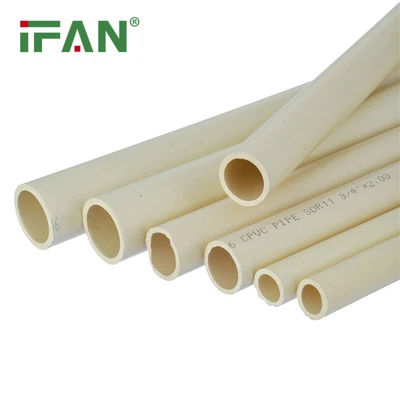
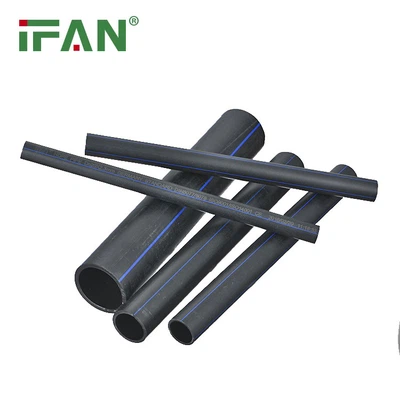
Plastic pipes come in various types, including PVC (Polyvinyl Chloride), CPVC (Chlorinated Polyvinyl Chloride), PEX (Cross-linked Polyethylene), and HDPE (High-Density Polyethylene). Each type requires specific methods for connecting to ensure a secure and leak-proof system.
Connecting PVC and CPVC Pipes
Cleaning and Priming
To connect PVC or CPVC pipes, start by cleaning the pipe ends and the inside of the fittings with a PVC cleaner. This step removes any dirt, grease, or debris. Next, apply primer to soften the pipe surface and ensure a strong bond.
Applying Cement
Once the primer dries, apply PVC cement to both the pipe and the fitting. Insert the pipe into the fitting, giving it a quarter turn to spread the cement evenly. Hold the pieces together for about 30 seconds to allow the cement to set.

Connecting PEX Pipes
Using Crimp or Clamp Rings
PEX pipes are often connected using crimp or clamp rings. First, cut the PEX pipe to the desired length using a pipe cutter. Slide a crimp ring onto the pipe, then insert a fitting into the pipe end.
Securing the Connection
Position the crimp ring about 1/8 inch from the end of the pipe. Use a crimping tool to compress the ring tightly around the pipe and fitting. Check the connection with a go/no-go gauge to ensure a proper crimp. Alternatively, a clamp ring and clamp tool can be used to secure the fitting.


Connecting HDPE Pipes
Butt Fusion Welding
HDPE pipes are commonly connected using butt fusion welding. This method involves heating the ends of the pipes and then pressing them together to form a joint. The result is a strong, seamless connection.
Electrofusion Welding
Electrofusion welding is another method used for HDPE pipes. In this process, an electrofusion fitting with built-in heating elements is placed over the pipe ends. An electric current passes through the fitting, melting the pipe surface and creating a secure bond.

Ensuring a Secure Connection
Testing for Leaks
After connecting the pipes, always test for leaks by running water or air through the system. Ensure all joints are secure and leak-free before putting the system into full operation.
Conclusion
Connecting plastic pipes involves different methods depending on the pipe material. PVC and CPVC pipes use cementing, PEX pipes use crimp or clamp rings, and HDPE pipes use welding techniques. Properly following these methods ensures a durable and leak-proof plumbing system.
Welcome to Inquiry IFAN
Phone:+86 15088288323 Email:sales24-ifan@ifangroup.com