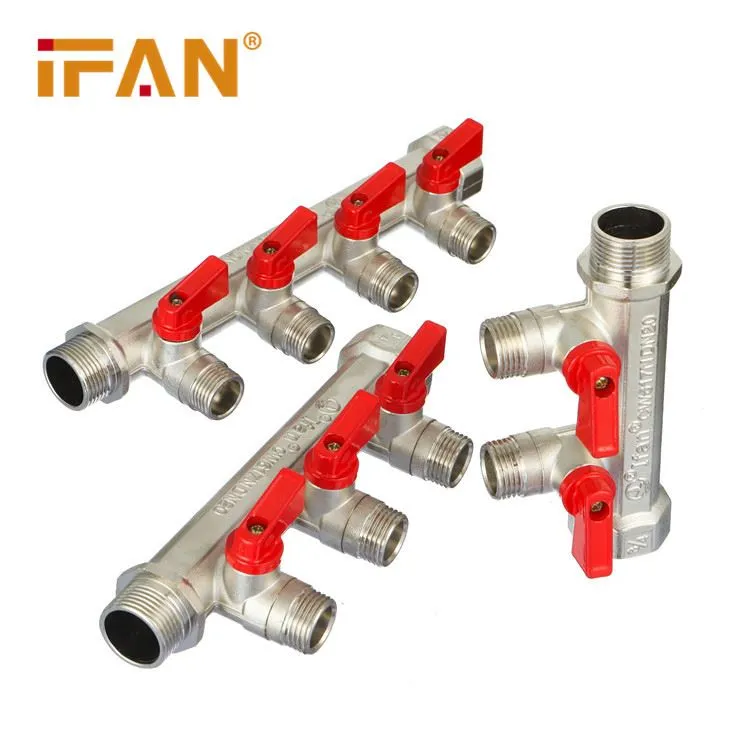
If there is a lot of gas in the floor heating pipeline, it can be treated by grouping drainage. The steps are as follows: 1. Close the main valve that controls the return pipe of the water separator, and at the same time, rotate all the small valves of each group to a closed state (including the inlet and outlet). 2. Open the small water inlet and return water valves that control the first group of branch pipes, and then unscrew the exhaust valve on the return pipe of the water separator to drain water; 3. During the drainage process Observe the change of water flow. If the water flow is unstable, it means that the gas inside is not exhausted. When it is seen that the flow rate and flow rate are relatively stable, it means that the gas has been discharged. At this time, lock the exhaust valve, and then close the small water inlet and return water valves at both ends; 4. According to the above method, exhaust and drain each group of floor heating pipes in turn until all operations are completed; 5. Open all group small valves, keeping them all open. Then use the water inlet pipe on the water separator and the exhaust valve on the return water pipe to release a basin of water, and finally open the main valve switch that controls the return water of the water separator, and the water discharge and exhaust work of the floor heating is over. It is important to say here that some households will connect the drain pipe to the sewer, and then open the air valve to allow the heating water to flow unrestrictedly. This approach is very wrong. Long-term drainage will cause the heating cycle to lose water and pressure, which will not only not help in raising the temperature, but will also pull down the overall heating effect.