
Brass check valves are used in many industrial and residential plumbing systems to prevent backflow and maintain proper fluid flow. Proper installation and maintenance of these valves is crucial to their functionality and lifespan. Here are some steps on how to install and maintain brass check valves.
Installing Brass Check Valves
Step 1: Selecting the Right Valve
Before installation, it's important to select the correct brass check valve for your system. This includes checking the pipe size, flow rate, and pressure requirements. It's also essential to identify whether a horizontal or vertical valve is suitable for the system.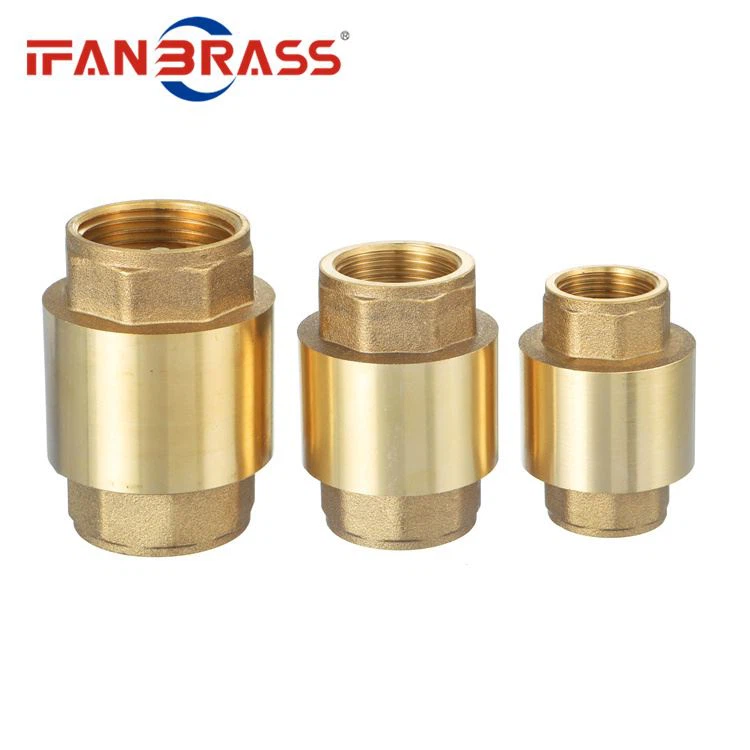
Step 2: Shutting Off the Water
Before installation, turn off the water supply and drain the pipes to avoid any water pressure that could damage the valve.
Step 3: Preparing the Pipes
Clean and prepare the pipes by removing any debris or dirt. Pipe ends should be deburred and free of scratches. Apply pipe joint compound or Teflon tape to the threads if necessary.
Step 4: Installing the Valve
Screw the check valve onto the pipe in a counterclockwise direction using two wrenches – one to hold the valve and the other to tighten the pipe. Ensure that the valve arrow is facing in the correct direction for the flow of water.
Step 5: Testing
Turn the water supply back on and test the valve for any leaks or malfunctions.
Maintaining Brass Check Valves
Proper maintenance of brass check valves can extend their life and prevent costly repairs.
Step 1: Inspecting Regularly
Check periodically for any leaks, cracks, or corrosion on the valve body, spring, and disc. If any damage is found, replace the valve immediately.
Step 2: Cleaning
Clean the valve periodically to remove any buildup of dirt or debris that could impair the valve's function. Use a solution of warm water and mild soap, and rinse thoroughly.
Step 3: Lubricating
Apply lubricant to the valve stem and spring to maintain smooth operation and prevent corrosion.
Step 4: Winterizing
If the valve is exposed to cold temperatures, it should be winterized to prevent damage from freezing water. This includes turning off the water supply and draining the pipes, then removing the valve and storing it in a warm, dry place until it can be reinstalled.
Conclusion
Installing and maintaining brass check valves is an essential part of maintaining proper fluid flow and preventing backflow in residential and industrial plumbing systems. By following these steps on installation and maintenance, you can ensure that your valves operate smoothly and with their maximum lifespan.
Contact IFAN
Phone:+86 15088288323
Email:sales24-ifan@ifangroup.com