
Brass fittings are essential components in plumbing systems, offering durability and corrosion resistance. Choosing the right brass fittings ensures a secure and long-lasting connection in water, gas, and heating systems. This guide explains the factors to consider when selecting brass fittings for different plumbing needs.
1. Understanding Brass Fittings and Their Importance
Brass fittings are made from an alloy of copper and zinc. They are known for their strength, corrosion resistance, and ability to withstand high pressure. These fittings provide secure connections in plumbing, gas, and industrial systems.
Due to their excellent thermal conductivity, brass fittings perform well in both hot and cold water applications. They also have a smooth surface, reducing friction and preventing clogs. Their longevity makes them a cost-effective choice compared to plastic or steel fittings.
Selecting the right brass fittings requires understanding their types, applications, and compatibility with plumbing materials. Choosing the wrong fitting can result in leaks or system failure.
2. Types of Brass Fittings for Plumbing
Brass fittings come in various designs, each serving a specific function. The most common types include:
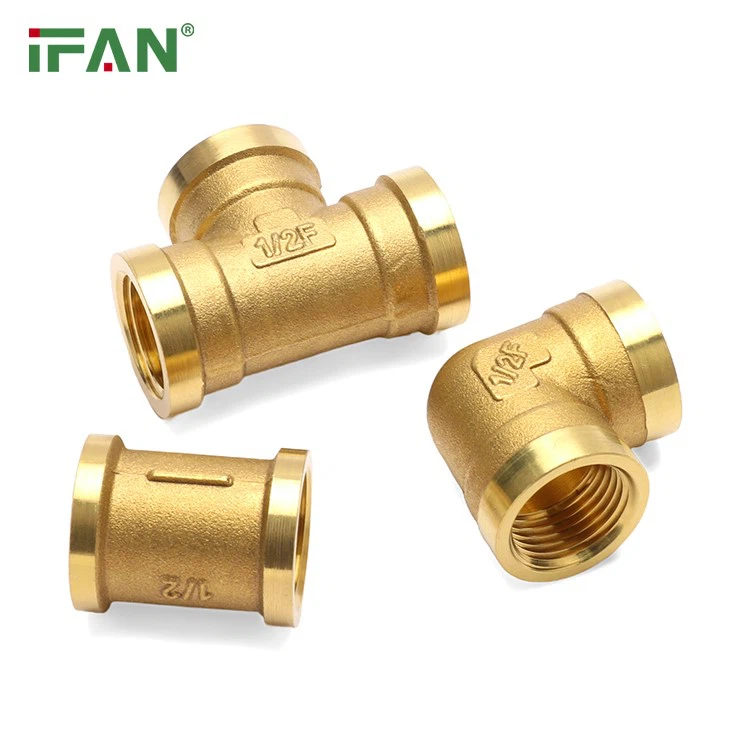
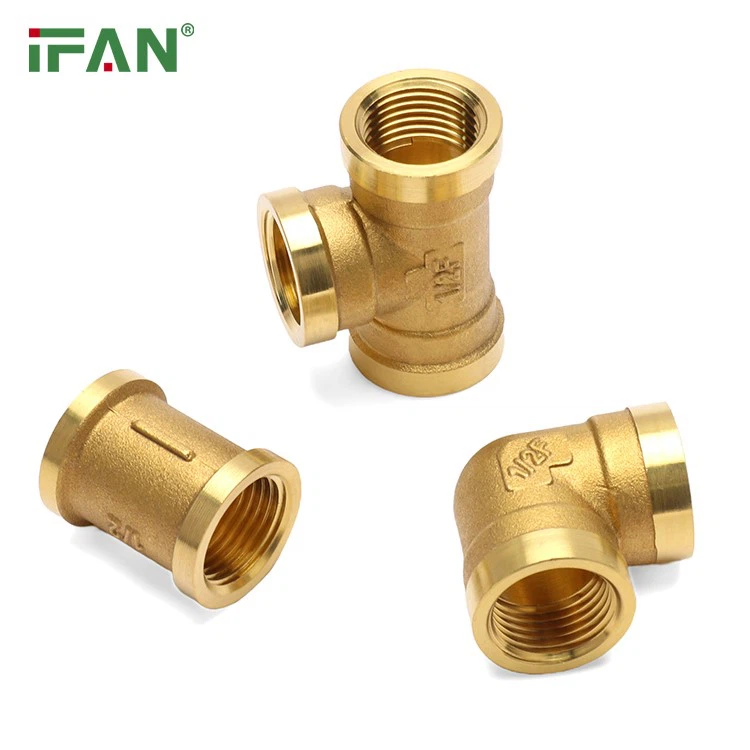
Brass Couplings: Used to connect two pipes of the same size.
Brass Elbows: Allow pipes to change direction, commonly at 45° or 90°.
Brass Tees: Split or combine fluid flow into three directions.
Brass Unions: Provide an easy way to disconnect and reconnect pipes.
Brass Adapters: Convert different pipe sizes or types.
Brass Compression Fittings: Ensure a leak-proof seal without soldering.
Each type has specific uses, so understanding their function helps in making the right choice for plumbing projects.
3. Factors to Consider When Choosing Brass Fittings
Selecting the best brass fittings requires evaluating several factors. These factors ensure compatibility, durability, and efficiency in plumbing systems.
Material Quality
High-quality brass fittings contain a proper balance of copper and zinc. Some fittings include lead to improve machinability, but lead-free options are available for drinking water applications. Always check the composition to ensure compliance with safety standards.
Thread Type and Size
Brass fittings come in different thread types, including NPT (National Pipe Thread) and BSP (British Standard Pipe). Matching the correct thread type with the pipe ensures a tight and leak-free connection. Measuring pipe size accurately is crucial for selecting the right fitting.
Pressure and Temperature Ratings
Brass fittings must withstand the operating pressure and temperature of the plumbing system. Higher-rated fittings are required for industrial or gas applications. Checking manufacturer specifications helps in choosing suitable fittings for specific needs.
Corrosion Resistance
Although brass is corrosion-resistant, certain water conditions can accelerate deterioration. Hard water or high chlorine levels can affect brass fittings over time. Choosing fittings with additional protective coatings can extend their lifespan.
4. Comparing Brass Fittings with Other Materials
Brass fittings are often compared to copper, steel, and plastic fittings. Each material has advantages and disadvantages.
Brass vs. Copper: Brass fittings are stronger and more affordable than copper. They also resist corrosion better in harsh environments.
Brass vs. Steel: Unlike steel, brass does not rust, making it ideal for water applications. Steel fittings may corrode, leading to leaks.
Brass vs. Plastic: Plastic fittings are lightweight and inexpensive but lack the strength and durability of brass. Brass fittings can handle high pressure and temperature better.
Understanding these differences helps in selecting the right material for plumbing installations.
5. Applications of Brass Fittings in Plumbing Systems
Brass fittings are versatile and used in various plumbing applications. Their durability makes them suitable for residential, commercial, and industrial systems.
Water Supply Systems
Brass fittings are commonly used in household water supply lines. Their resistance to corrosion ensures clean and safe water delivery.
Gas Lines
Gas piping systems require secure and leak-proof connections. Brass fittings withstand high-pressure gas flow and prevent leaks in fuel and propane lines.
Heating Systems
Brass fittings perform well in heating systems due to their high-temperature resistance. They maintain efficiency in boilers, radiators, and underfloor heating systems.
Irrigation and Outdoor Plumbing
Brass fittings are ideal for garden irrigation and outdoor plumbing. Their ability to withstand exposure to sunlight and moisture makes them long-lasting in these environments.
6. Installation Tips for Brass Fittings
Proper installation ensures the efficiency and longevity of brass fittings. Following the right procedures prevents leaks and damage.
Cleaning the Pipe and Fitting
Before installation, clean both the pipe and brass fitting to remove dirt and debris. A clean surface ensures a secure connection.
Using the Correct Thread Sealant
Threaded brass fittings require a sealant, such as Teflon tape or pipe dope, to prevent leaks. Apply the sealant evenly before tightening the fitting.
Avoid Over-Tightening
Over-tightening can damage brass fittings or deform the pipe threads. Tighten just enough to secure the connection without causing stress on the fitting.
Checking for Leaks
After installation, test the system for leaks by running water or gas through the pipes. Inspect each connection and tighten if necessary.
Proper installation extends the lifespan of brass fittings and ensures a leak-free plumbing system.
7. Maintenance and Longevity of Brass Fittings
Regular maintenance helps in preserving the performance of brass fittings. Periodic inspections and cleaning prevent issues from developing.
Checking for Corrosion or Wear
Inspect brass fittings regularly for signs of corrosion or wear. If discoloration or leaks appear, replace the affected fitting immediately.
Cleaning Mineral Deposits
Mineral buildup from hard water can affect the efficiency of brass fittings. Soaking the fitting in a vinegar solution removes deposits and restores performance.
Replacing Damaged Fittings
If a fitting shows cracks or leaks, it should be replaced to prevent further damage. Using high-quality replacements ensures continued reliability.
With proper maintenance, brass fittings can last for decades without failure.
8. Choosing the Best Supplier for Brass Fittings
Selecting a reliable supplier ensures high-quality brass fittings for plumbing needs. Consider the following factors when choosing a supplier:
Product Certification: Ensure the fittings meet industry standards and safety regulations.
Material Quality: Choose suppliers that provide high-quality brass fittings with proper material composition.
Variety of Fittings: A supplier with a wide selection of fittings offers more choices for different plumbing applications.
Customer Support: Good suppliers provide technical support and guidance in choosing the right fittings.
Working with a reputable supplier guarantees reliable brass fittings for any plumbing project.
Conclusion
Brass fittings are essential for plumbing systems due to their durability, corrosion resistance, and high-pressure tolerance. Selecting the right fittings involves considering factors such as material quality, thread type, pressure rating, and installation requirements.
By understanding the different types of brass fittings, comparing them with other materials, and following proper installation and maintenance practices, homeowners and professionals can ensure a reliable plumbing system. Choosing a trusted supplier further enhances the efficiency and longevity of brass fittings in any application.